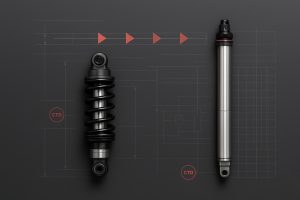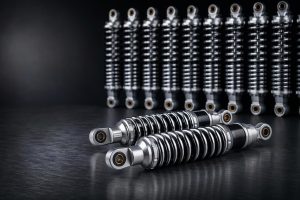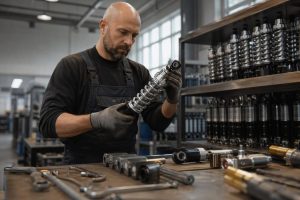
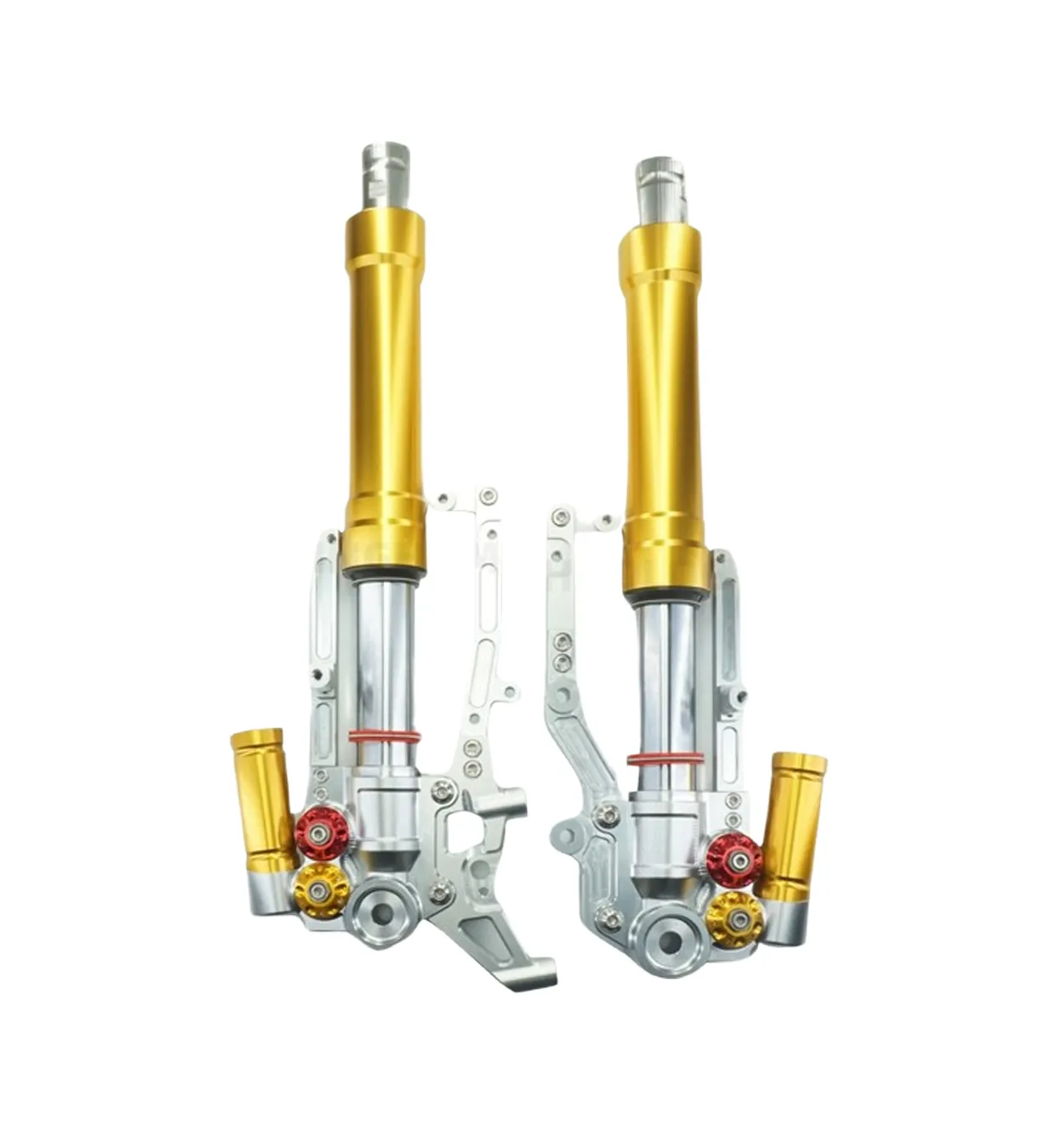
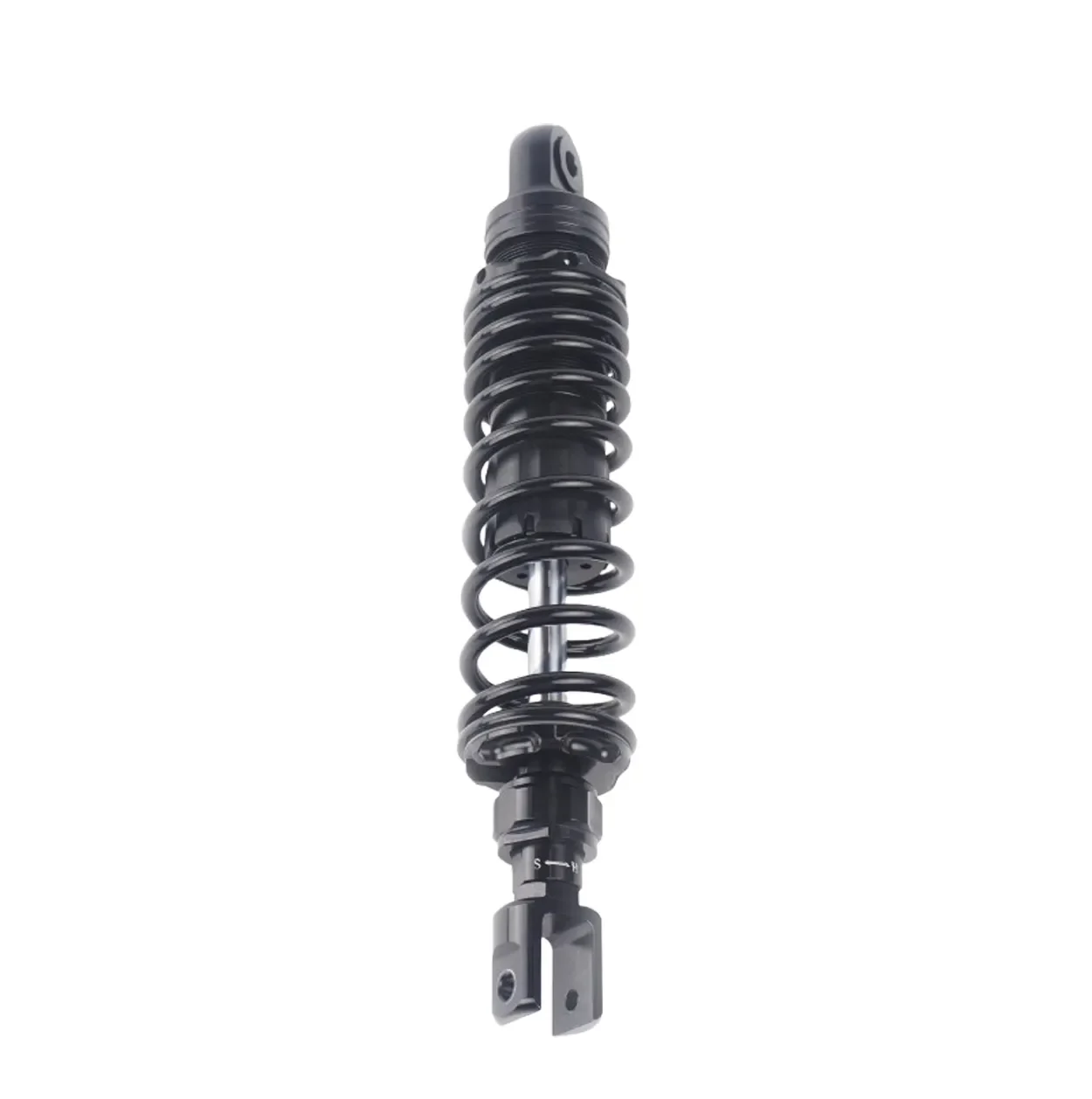
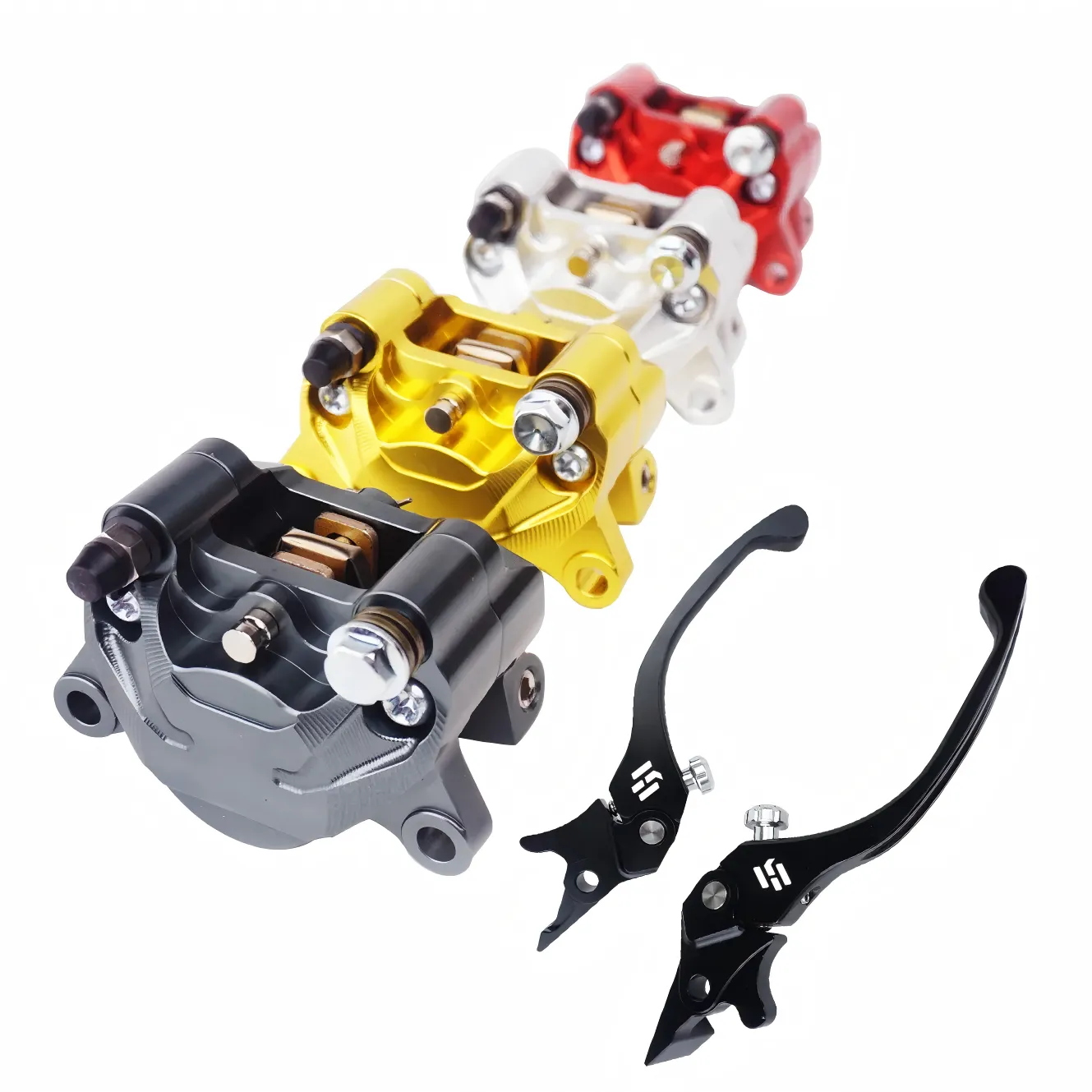
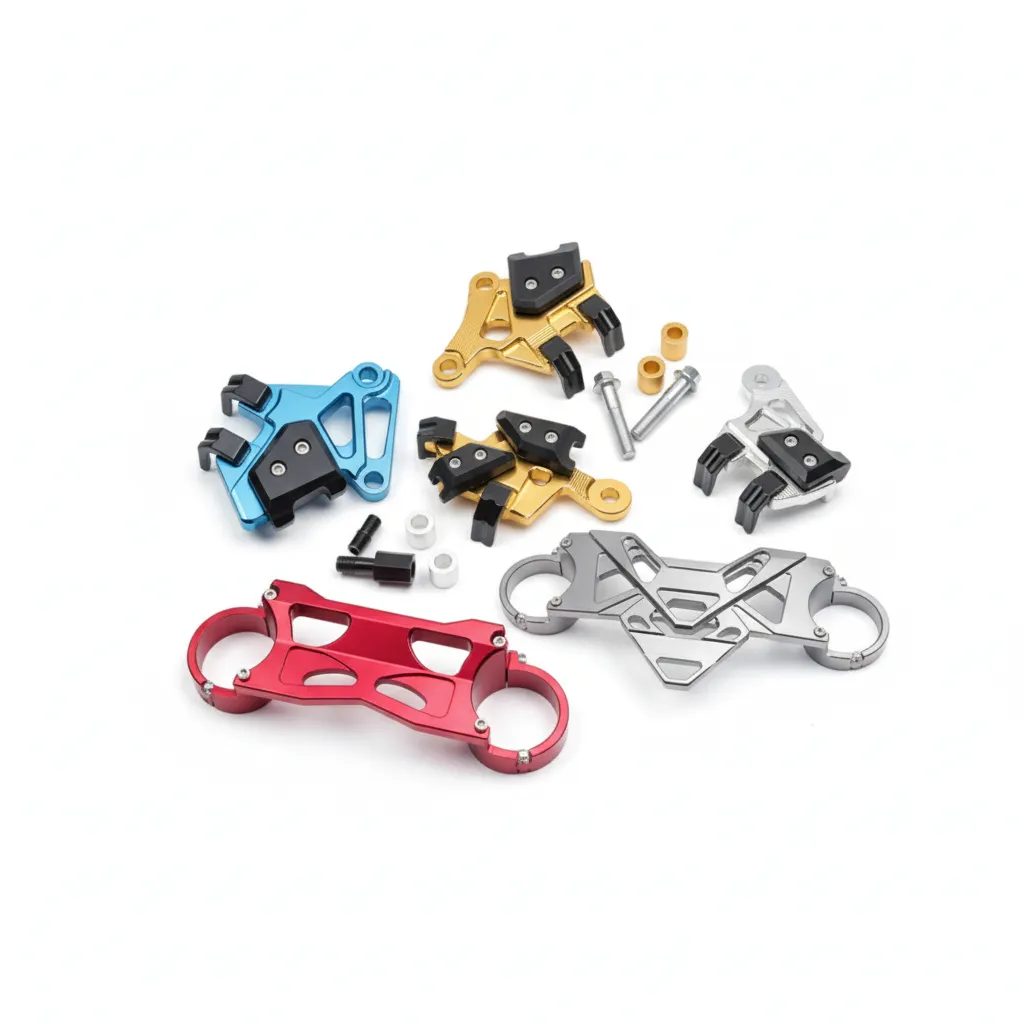


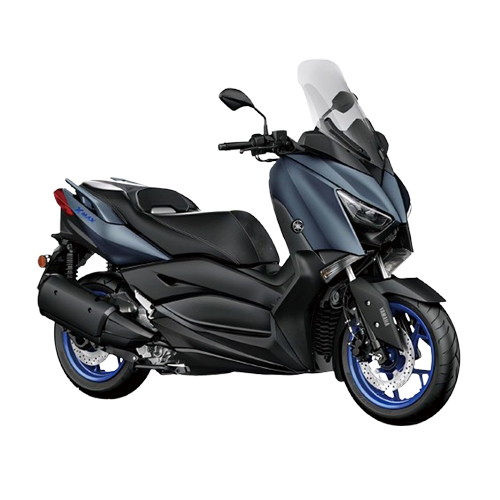



Nearly every candidate you shortlist will tell you the same three things: they hold an ISO certificate, they support OEM/ODM programs, and they run strict quality control. The claims are almost word-for-word identical, so the deciding factor is not the pitch. It is the evidence you can ask for and check before you commit. This guide is written for buyers weighing a motorcycle shock absorber supplier against alternatives, whether you are sourcing a standard catalogue line or a custom suspension OEM/ODM program. The aim is simple: help you set approval criteria, verify claims, and compare candidates on the same evidence.
Define Your Criteria First
Write three to five things you must prove before you approve a supplier. This is not a wish list or a fixed template. It is a set of tests you hold every candidate to, in writing, derived from the specific risks of this purchase.
The list changes with your buying situation, so start from the risk you are actually carrying and write the criterion to match it:
Mature-model volume: the risk is drift between lot 1 and lot 10. Example criterion: “Each production lot must be inspected to the same dimension and performance limits, with a redacted record for a completed lot.”
Brand development: the specification is still moving and someone has to own it. Example criterion: “A named engineer must own our project and provide one redacted change-request record.”
Aftermarket replacement: a small dimensional error becomes a warranty claim. Example criterion: “Dimensional records must show fitment against the target vehicle model.”
Name the products and processes you are buying, then ask which of them the supplier can demonstrate. How MOQ, tooling, samples and lead time work is a separate conversation on ordering terms—settle your approval criteria first, before those numbers enter the discussion.
The value of this step is turning a vague requirement into something a supplier can pass or fail. “The supplier must have strong quality control” cannot be checked. Rewrite it as: “The supplier must show how finished shocks are inspected against the agreed specification, how failed units are handled, and how inspection records can be traced to a production lot.” Same intent, but now it is a test—and every supplier gets the same one.
Fix your approval criteria before you request quotations. A supplier evaluated against criteria you wrote in advance is comparable; one evaluated against the impression of a good sample is not.
Engineering Capability and Quality-System Scope
Three questions decide this section. First, does the certificate actually cover the site and the business scope that would run your program? Second, is a named person accountable for the engineering on your project? Third, are outsourced processes under clear control? These three checks establish a starting point for evaluating the supplier. They do not replace product-specific testing or production verification.
Does the certificate cover your actual production site?
Start with the certificate copy and read its scope and the covered address against the plant that would make your part. The question is whether that plant really sits inside the certified scope and address, not whether a similar company name appears somewhere on the document. A certificate provides evidence that the named entity, scope and covered site have been assessed. It does not prove that your specific model has been validated or that every production process meets your requirements.
Is anyone accountable for the engineering?
Look for a named engineer who owns your project, and one change-request example with customer details removed. A named engineer—not a sales inbox—who asks back about stroke, load, mounting dimensions, adjuster position and target vehicle is doing engineering, not quoting. A redacted change example shows how a specification revision is logged, approved and pushed to the line. Concrete beats a promise.
Are outsourced processes under control?
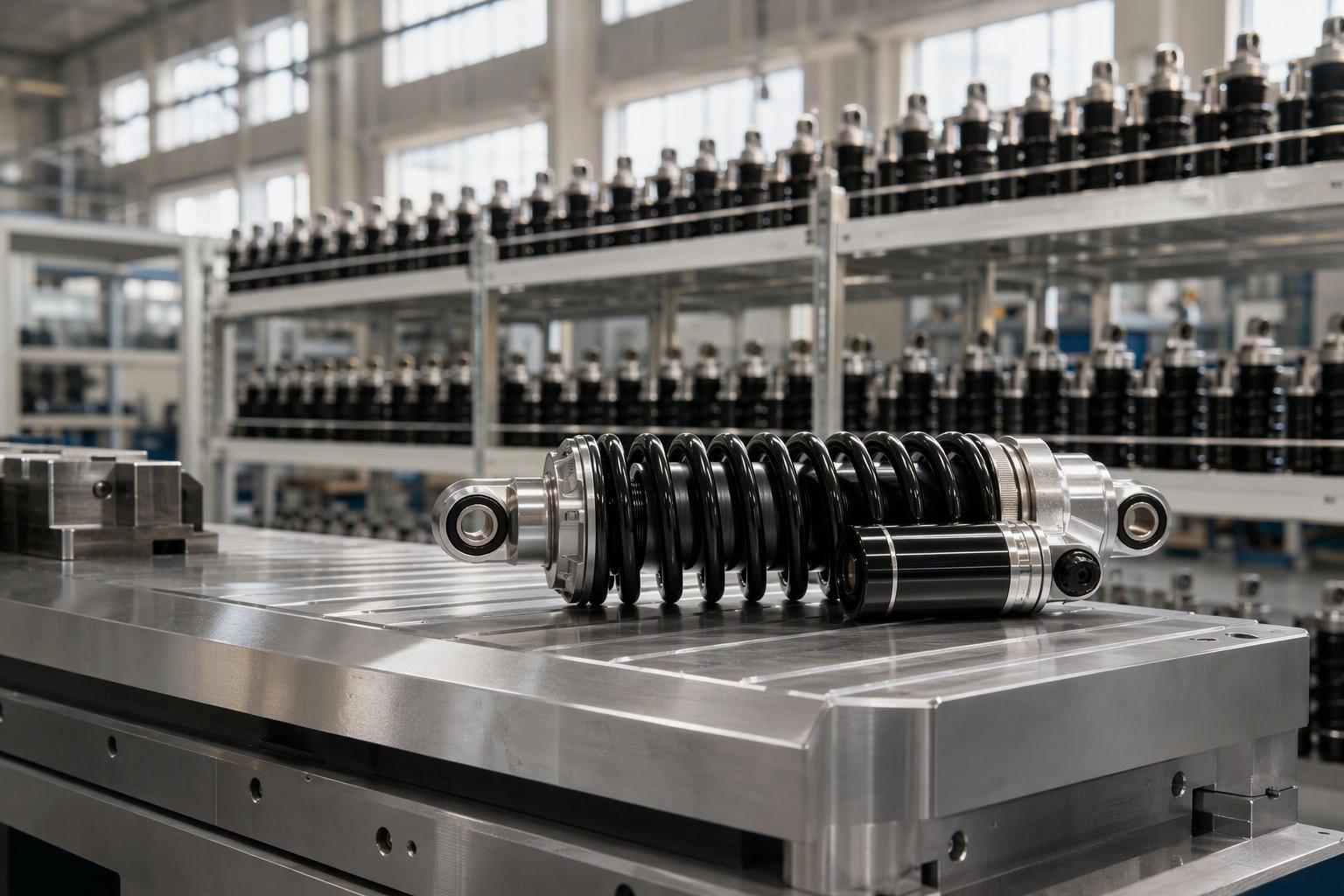
Establish which processes run in-house and which are outsourced. Outsourcing design or a surface-finish step isn’t automatically a problem. What matters is whether the supplier can explain who controls the work, who approves revisions, and who stays accountable for meeting the agreed specification. How much of that work a supplier keeps in-house is one indicator of how much control it has—you can see what a fully integrated suspension line looks like on our factory tour.
What Test Evidence Should You Ask For?
Shock absorber testing is where a supplier’s claims become checkable. Resist collecting every parameter on offer. Ask for the test types relevant to your product, and for each one ask what it was run on and whether the result can be judged.
Can the Test Results Be Judged Against Clear Criteria?
A performance curve only means something if you know what it was measured against. Request force-velocity curves with the test conditions written on them, and check three things:
Test conditions: temperature, stroke, velocity range and adjuster position.
Sample identification: a sample number linked to a physical unit you can request.
Acceptance criteria: the window or limits used to judge the result.
A smooth curve isn’t a pass by itself. If there’s no stated window, the result can’t be judged at all. Cold and hot runs of the same part are worth requesting, though not every project needs the same combination. This curve is also where load behaviour shows up—see our guide to load instability in shock absorbers when your concern is on-road behaviour rather than the bench.
Does the Test Match Your Product Specification?
The evidence here is the sample model, key configuration, cycle conditions and failure criterion—not just a pass statement. The test object should be the part you’re buying, at the specification you’re buying it to. A fatigue result from a different damper body or spring-rate configuration may provide useful background, but it does not by itself demonstrate that your specified product meets the required criteria.
What Can the Test Actually Prove?
Ask for the method, exposure time, sample type and pass/fail criterion, and check whether the supplier explains the limits of its own test. Salt spray testing can help assess coating corrosion resistance under defined test conditions, but it does not directly establish service life in real-world riding conditions. Treat any “X hours equals Y years” claim as unsupported.
If the supplier can’t provide a record relevant to your product, ask whether the test is done in-house, by an external lab, or not at all. Judge the gap against your product requirements rather than treating every missing report as a rejection.
How Do You Know Batch 10 Matches Batch 1?
Batch consistency is one of the risks that sample-based evaluations can miss, so this is the section worth slowing down for. A sample that performs well proves the sample, not the production line. The gap between the two usually opens after production starts, when tooling wears, a sub-tier changes a material, or a new operator runs the press.
That is the risk. The question is how to test for it before you commit volume. Three procurement actions cover most of it.
1. Confirm every lot uses the same acceptance criteria.
Ask for: the inspection plan and one redacted record of an actual inspection.
Good evidence: the record shows which key dimensions or performance characteristics are checked, the standard used to judge them, and how a unit that fails is disposed of. You do not need to read complex capability indices yourself. If a supplier offers that kind of data, ask it to explain which product and lot it covers and what control it drives.
2. Confirm a product can be traced to its records.
Ask for: a finished shock absorber or a clearly identified production sample, traced back through the relevant material lot, machining or surface-treatment records, and assembly and inspection records.
Good evidence: the supplier can link the product to the relevant production records using its identification and traceability system, and retrieve those records within a reasonable time. Whether the records exist matters less than whether the system can reach them.
3. Confirm how material, part and process changes are controlled.
Ask for: an explanation of which changes require customer notification, which require customer approval, and how parts from different specification versions are kept from mixing.
Good evidence: a redacted record of a real change. A supplier may prefer not to share sensitive customer cases, but it should be able to explain how a deviation is detected, contained, corrected and prevented from recurring. The test is whether the correction mechanism is credible, not whether the factory has ever had a problem. If you want to go deeper on the root causes behind post-production drift, see our guide to why suspension projects fail after SOP.
Can They Deliver on Time, and Who Is Responsible If Something Fails?
Batch consistency tells you whether the supplier can repeat a good part. The next question is whether it can deliver those parts on schedule, and stay accountable if something goes wrong. Two commercial judgments matter here: is the delivery commitment credible, and is there clear accountability if a batch goes wrong. Everything past that drifts into contract negotiation.
Is the delivery commitment credible?
The number to interrogate is the basis of the capacity figure: the shift pattern, the current order load against it, and the slowest operation in the line. Ask how the lead time is counted, and get the start point in writing. The bottleneck is one of the factors that sets your real delivery date, along with scheduling, material availability and any outsourced steps. Lead times are only comparable when they use the same starting point: one supplier may count from purchase order, while another starts after drawing approval or first-article sign-off. Ask which point each quote uses before you compare them.
Is there clear accountability if something goes wrong?
Here the useful material is the written warranty terms and claim process, measured against four questions: what’s covered and what’s excluded, what evidence a claim needs, how fast the supplier responds, and what remedy follows an accepted claim. Check whether the warranty excludes wear-related issues, corrosion under specific operating conditions, or damage caused by incorrect installation. The exclusions can materially affect how much protection the warranty provides, so read them before the coverage list. If a fault traces back to manufacturing, ask whether the supplier investigates root cause and corrects it, not just replaces the part.
Warning Signs That Should Make You Stop
Most supplier problems surface before you sign, if you know what each answer actually tells you. The list below splits into hard stops and ordinary evidence gaps—the first should pause your evaluation, the second just means you need more before deciding.
Pause the Evaluation
Warning sign | Risk | Next step |
|---|---|---|
The production site or the certification scope cannot be verified. | The process making your part may sit outside the audited scope or at a different address. | Confirm the actual production entity, site and certification scope before going further. If it cannot be verified, do not advance to the next stage. |
The supplier will not say who is responsible for key outsourced processes. | You cannot confirm the production chain or where quality responsibility sits. | Do not release an order on the strength of a finished sample alone. |
Material or process changes are allowed without agreed control, with no effective measure to contain them. | Specification consistency and traceability are directly at stake. | Require written change-approval terms before proceeding. |
Ask for More Evidence
Warning sign | Risk | Next step |
|---|---|---|
Equipment photos are shown with no test records tied to the product. | A machine photo proves equipment exists, not that your part was tested. | Request the report, test conditions and sample information. |
A single sample result with no clear batch acceptance criteria. | One good part says nothing about the thousandth. | Request the applicable inspection plan and records from actual production lots. |
Capacity or lead-time claims with no explanation of how they were calculated. | A headline figure is not comparable or reliable without its basis. | Verify the product scope, shift pattern, current order load and lead-time start point. |
Warranty terms offered only verbally. | Verbal assurances do not survive a personnel change or a dispute. | Request written confirmation of coverage, claim process and remedy. |
A seemingly firm quotation given before the model, specification and order quantity are confirmed. | The number is not built on your program. | Ask what assumptions the quote is based on rather than treating it as unreliable. |
An early quote is not itself a negative signal—a supplier can reasonably offer a budget figure. The problem is only when an estimate is presented as a firm commitment that needs no conditions.
The next step depends on the nature of the risk and whether it touches a hard approval condition—not on how many signals you have counted. A single certification or quality-responsibility issue can matter more than two minor gaps in evidence.
How to Compare Suppliers and Use the Checklist
Score every supplier you are still considering on the same five checks—the ones from the sections above: engineering and quality-system scope, test evidence, batch consistency and traceability, capacity and delivery, and warranty and responsibility. For each, mark one of three states: Pass if the evidence meets the approval criteria you set in advance, Need more evidence if information is missing or the material does not yet demonstrate the criteria are met, and Fail if the evidence shows a clear requirement is not met or a key risk is unresolved.
Weight the checks to your situation: a brand developing its own product line should weight engineering scope and test evidence hardest, while a distributor buying mature-model volume should weight batch consistency and lead time hardest.
Keep two things apart while scoring. Insufficient evidence is not the same as a disqualification, so a column full of “need more evidence” is not a rejection—it is a list of questions to send back before you book a flight. But if an item is a hard approval condition, failing to prove it means you should not release the order, however strong the rest of the picture looks. The aim is not a precise-looking total score, but a clear view of which conditions are proven and which are still open.
Verify remotely before you visit. You can close most of the gap without traveling, in four steps:
Verify the supplier’s legal entity and confirm which physical site will manufacture your parts.
Request the relevant test and inspection records.
Request a live video walk-through of the production and inspection stations for your part, on a normal working day.
Only after the key questions are answered, arrange a site audit or third-party factory check.
The legal-entity check only confirms the entity exists, so treat it as a starting point, not proof of capability. Checking a certification such as IATF is worth doing when your specific supplier and product program involve the relevant automotive-industry requirement—not as a general admission condition for every motorcycle shock absorber supplier.
Use it the same way for every candidate: it is a supplier audit checklist, not a verdict on one name. Run it against the suppliers you already buy from, too. A reusable list is worth more than an assessment someone else reached for you.
The same questions apply to every supplier, including Kingham. If you are evaluating a motorcycle shock absorber OEM/ODM project, start with your model requirements, target specifications and expected order volume. We can review the project requirements and clarify what needs to be established before moving forward.
Request Project Assessment — Start your OEM/ODM inquiry.