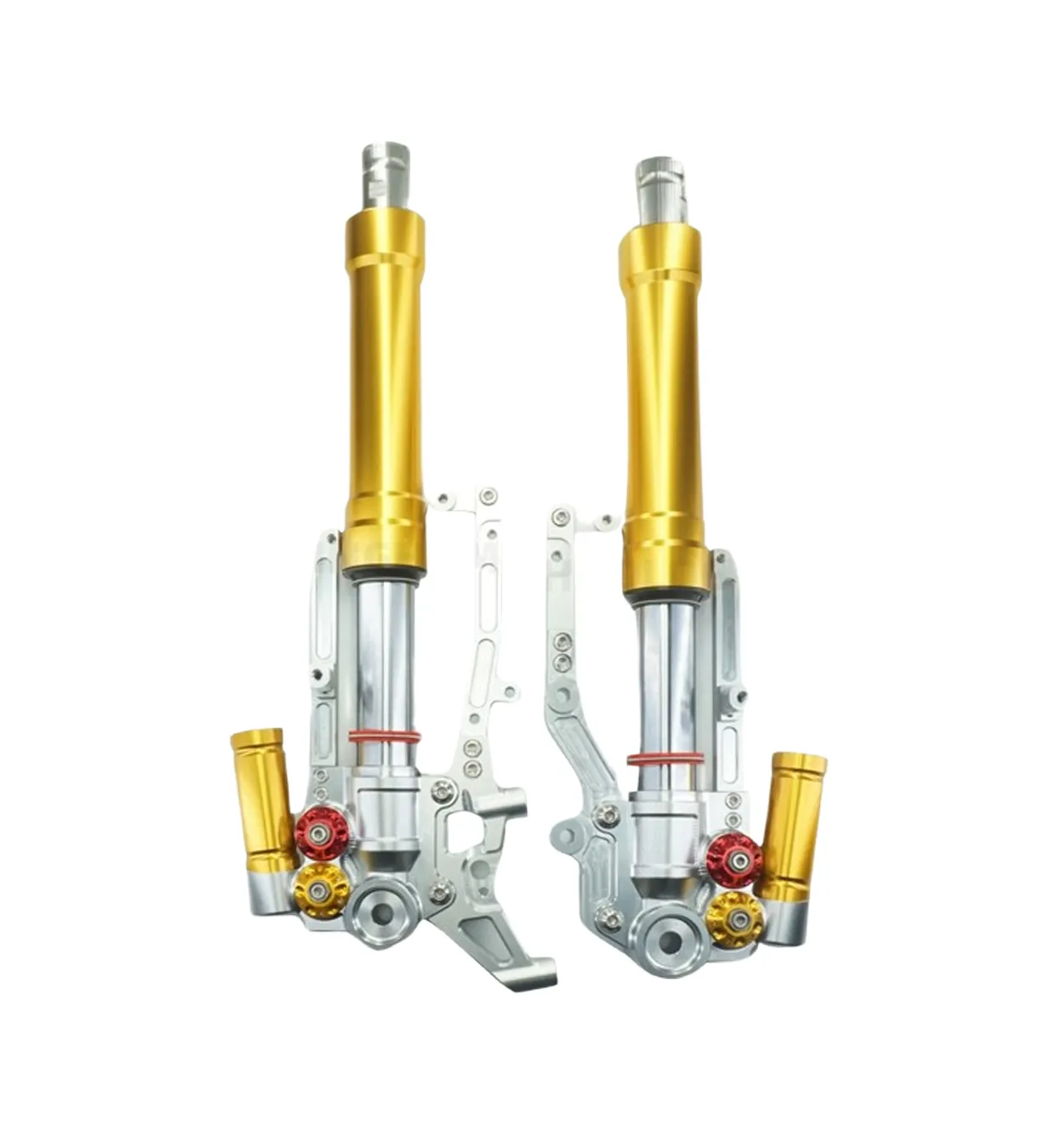
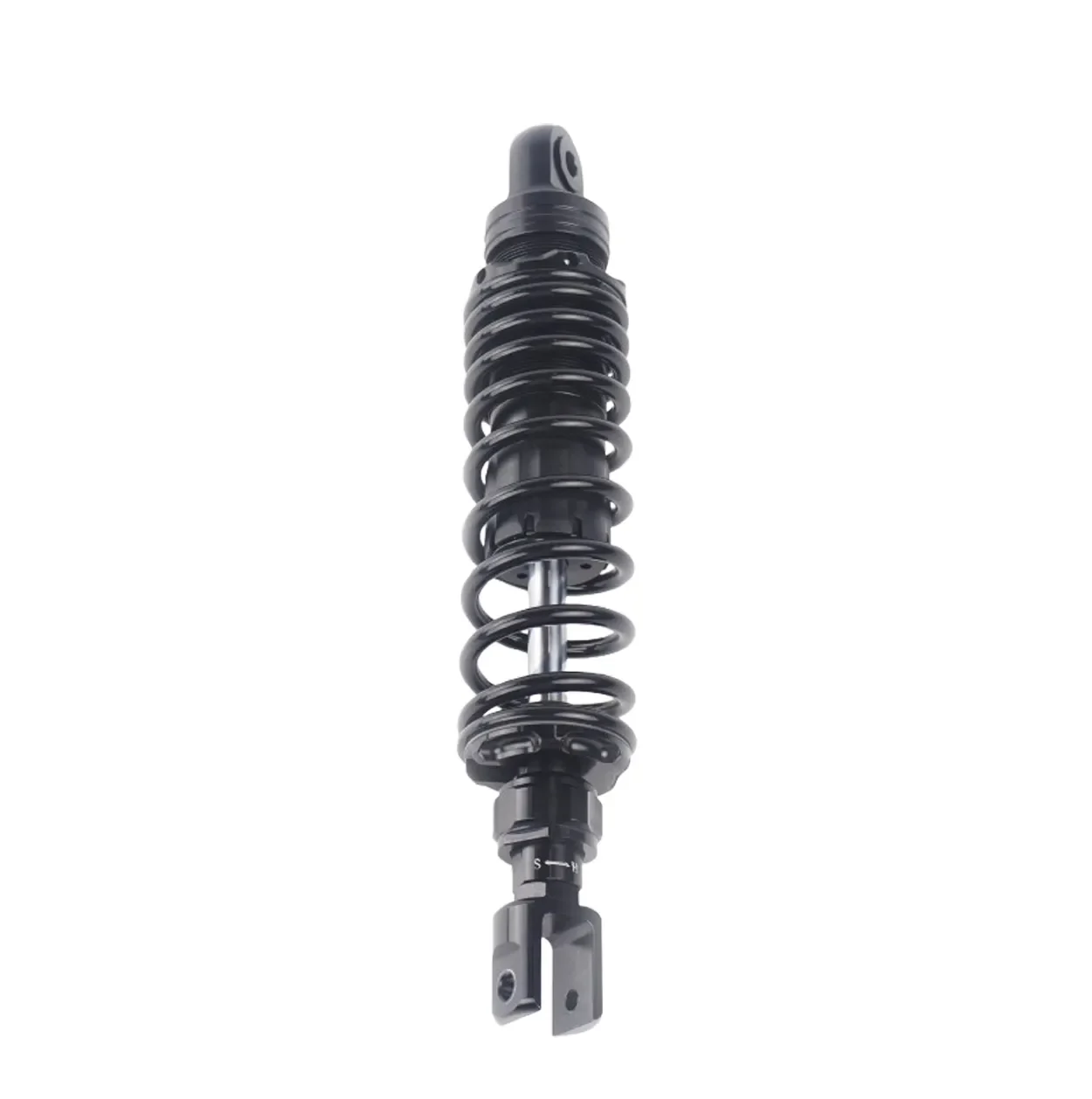
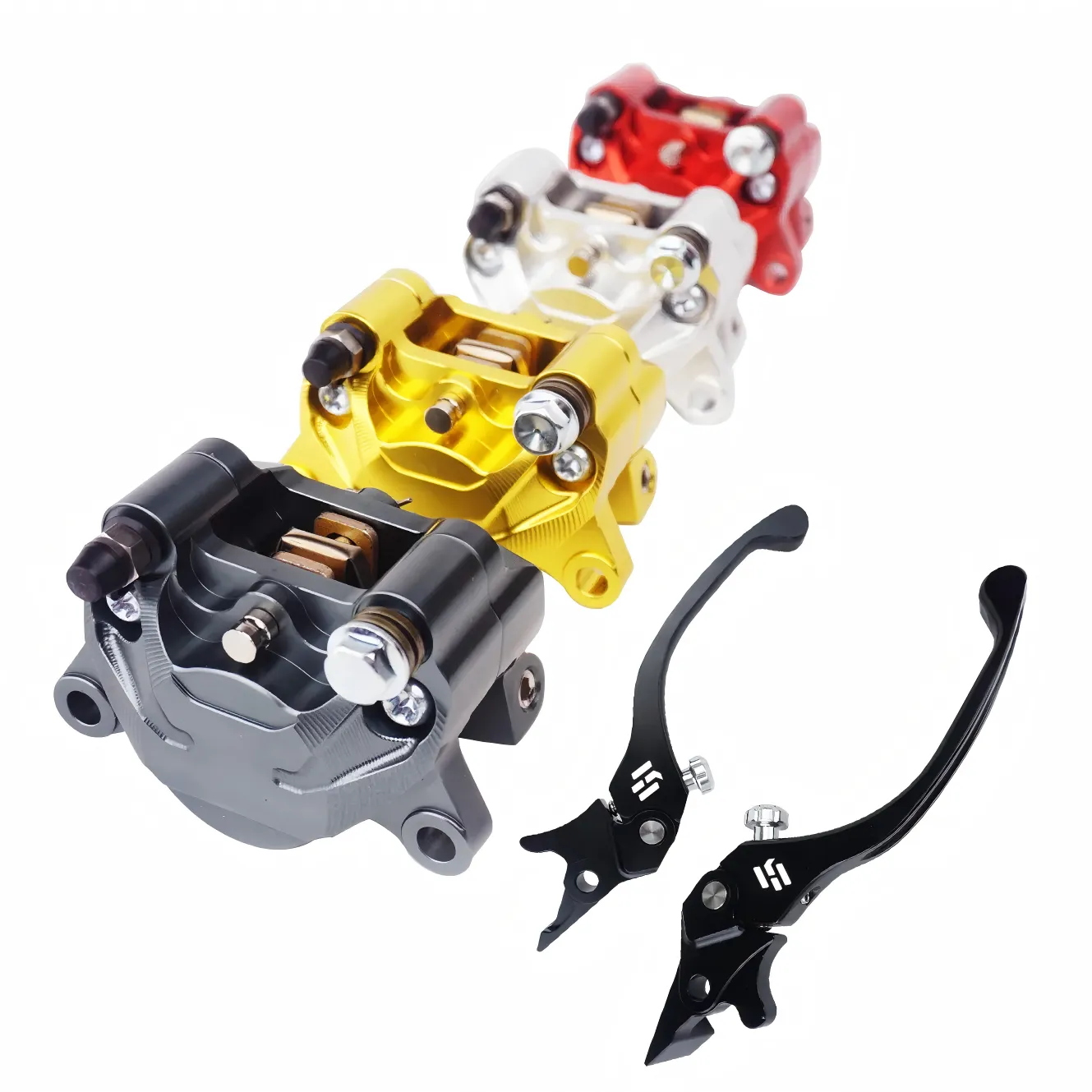
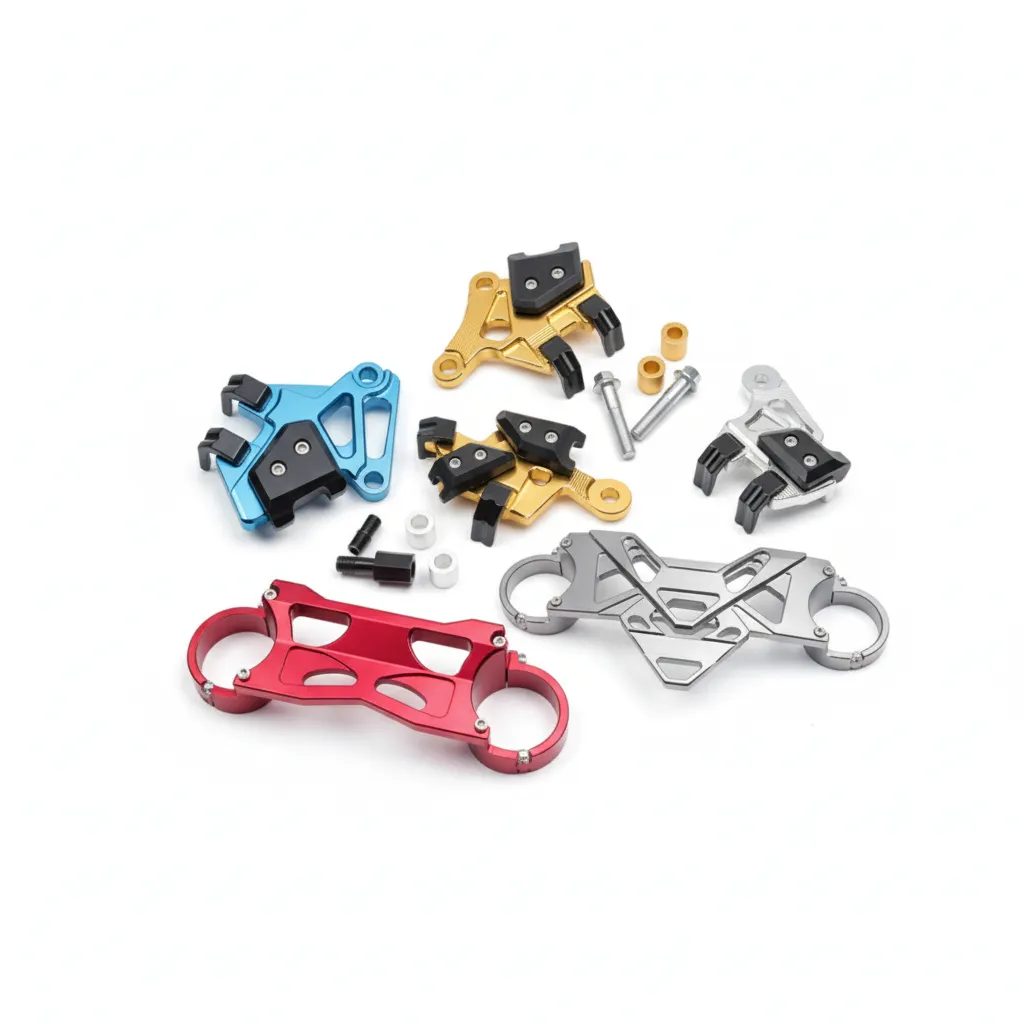
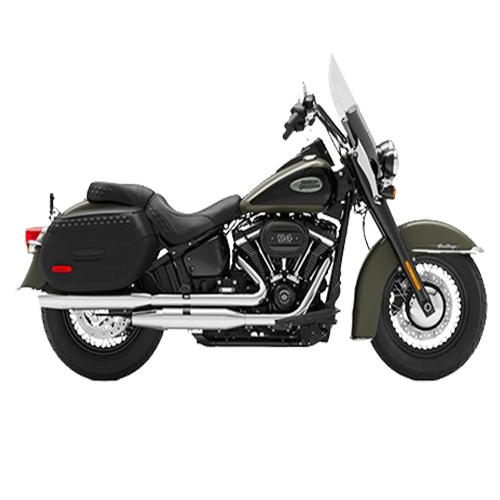
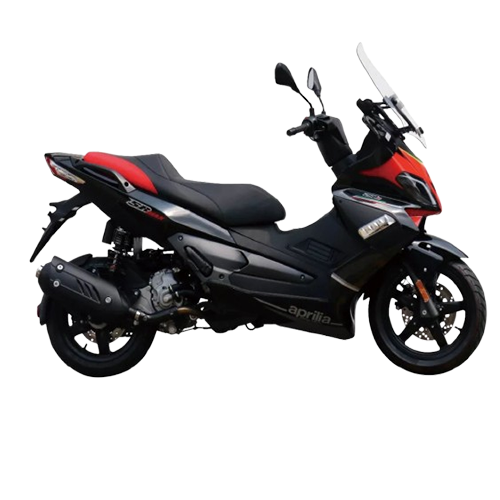
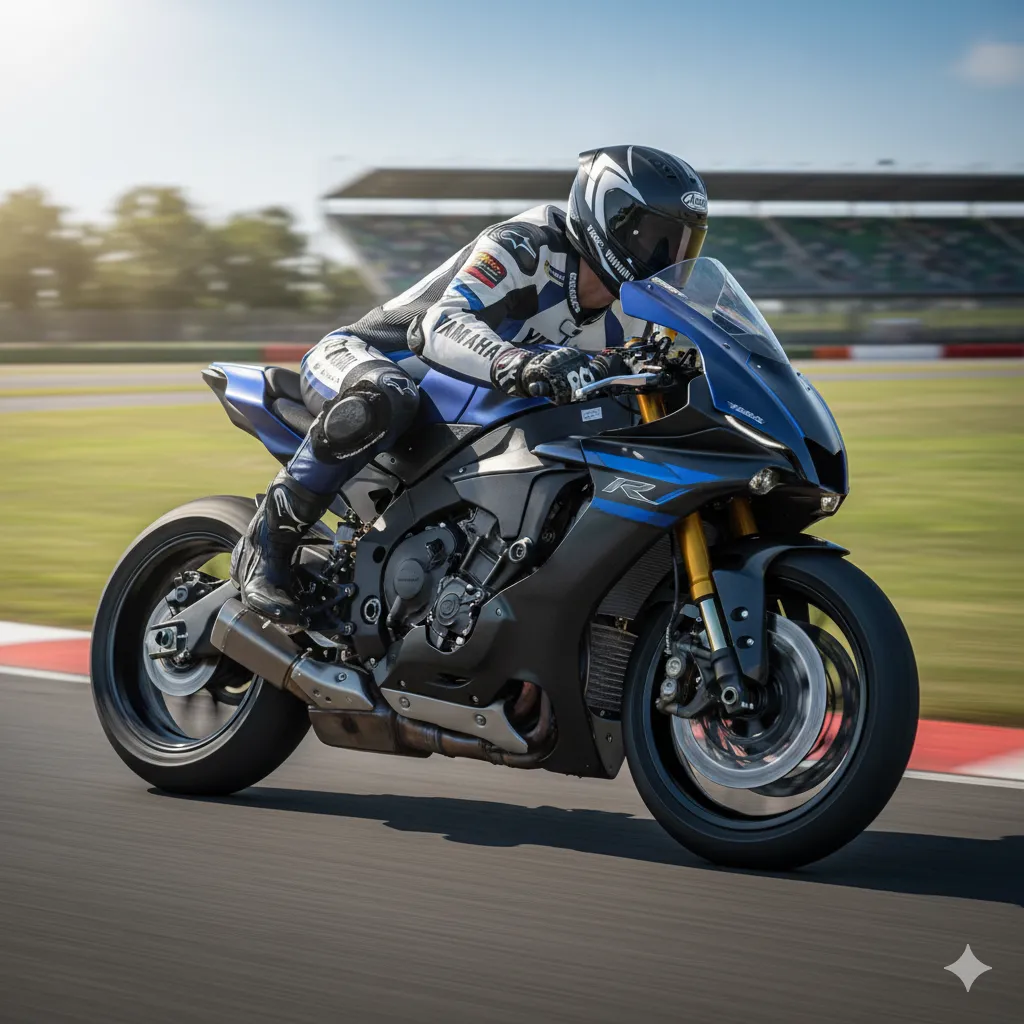
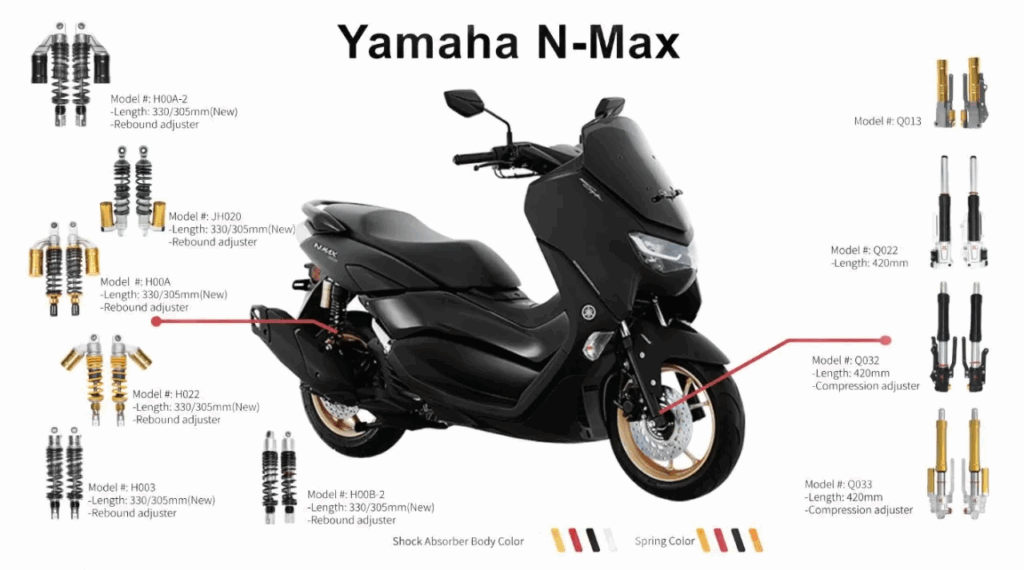
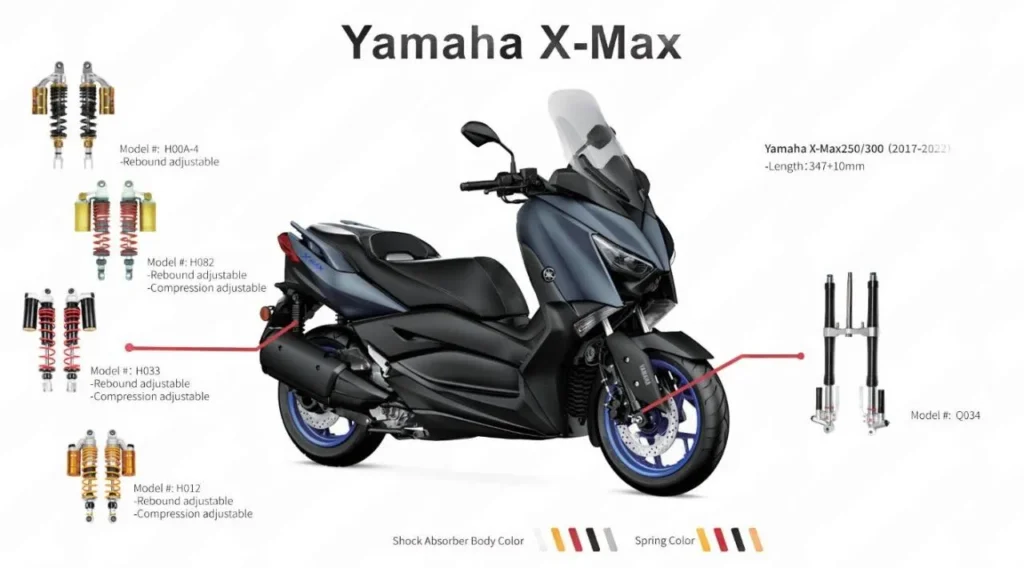
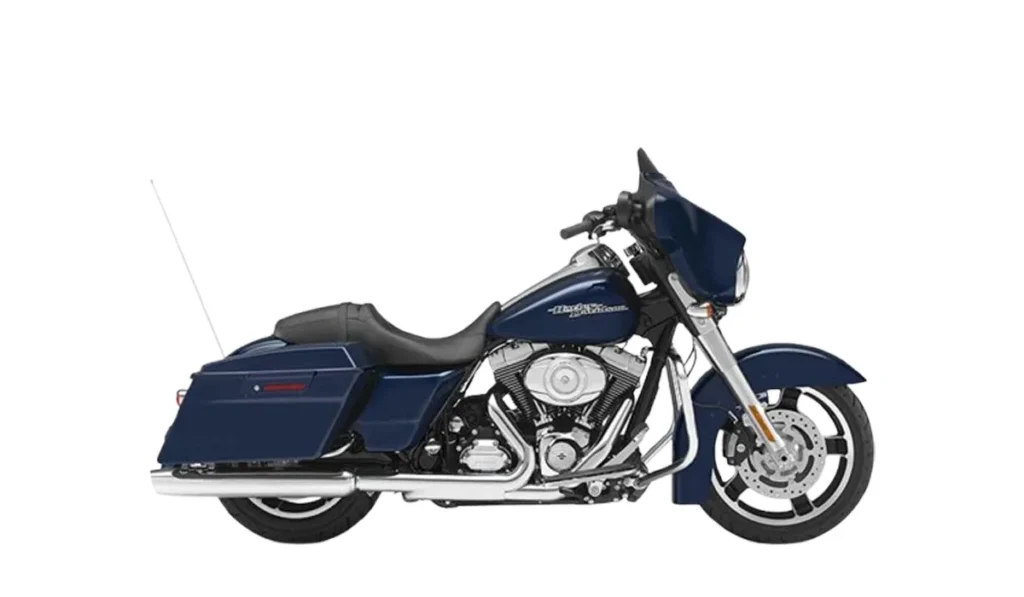
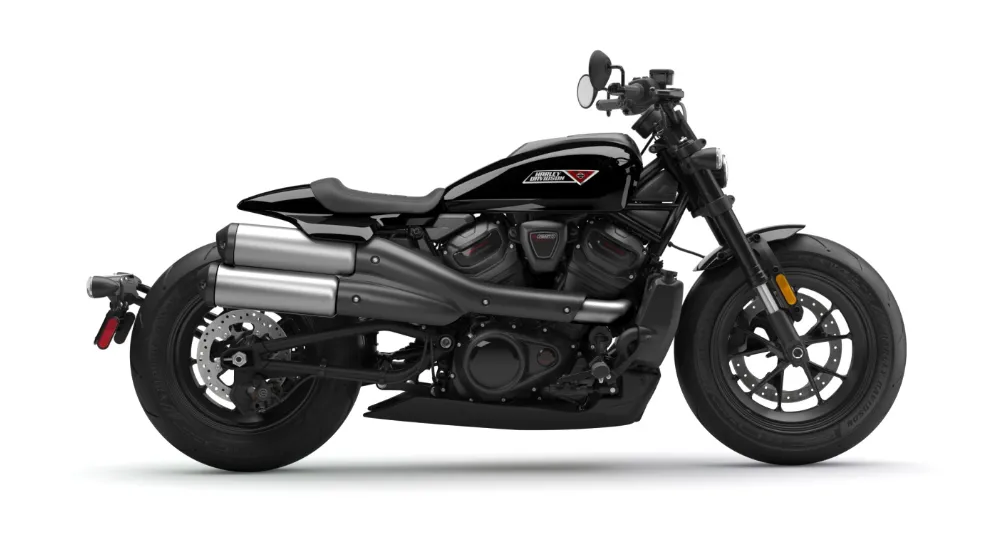
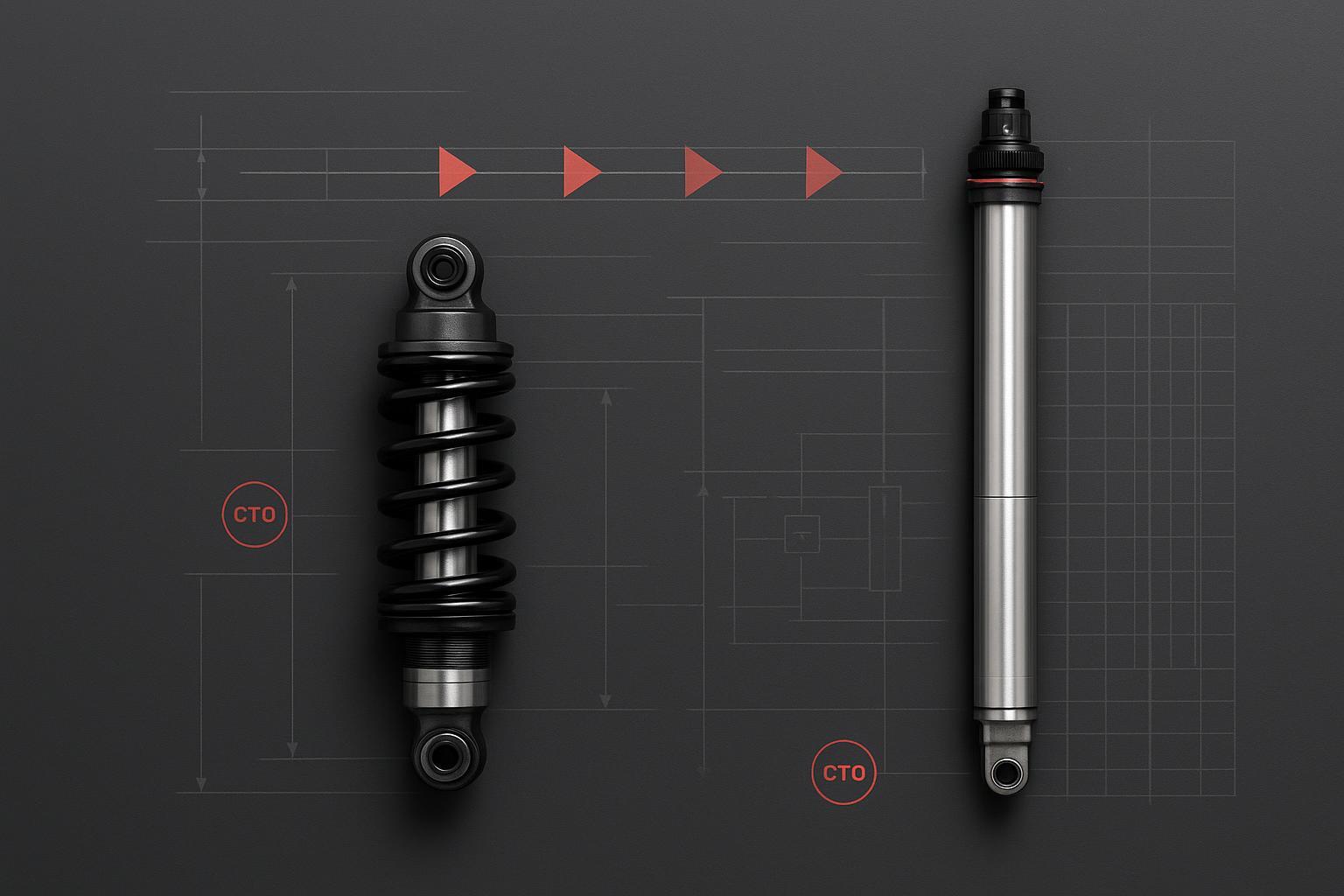
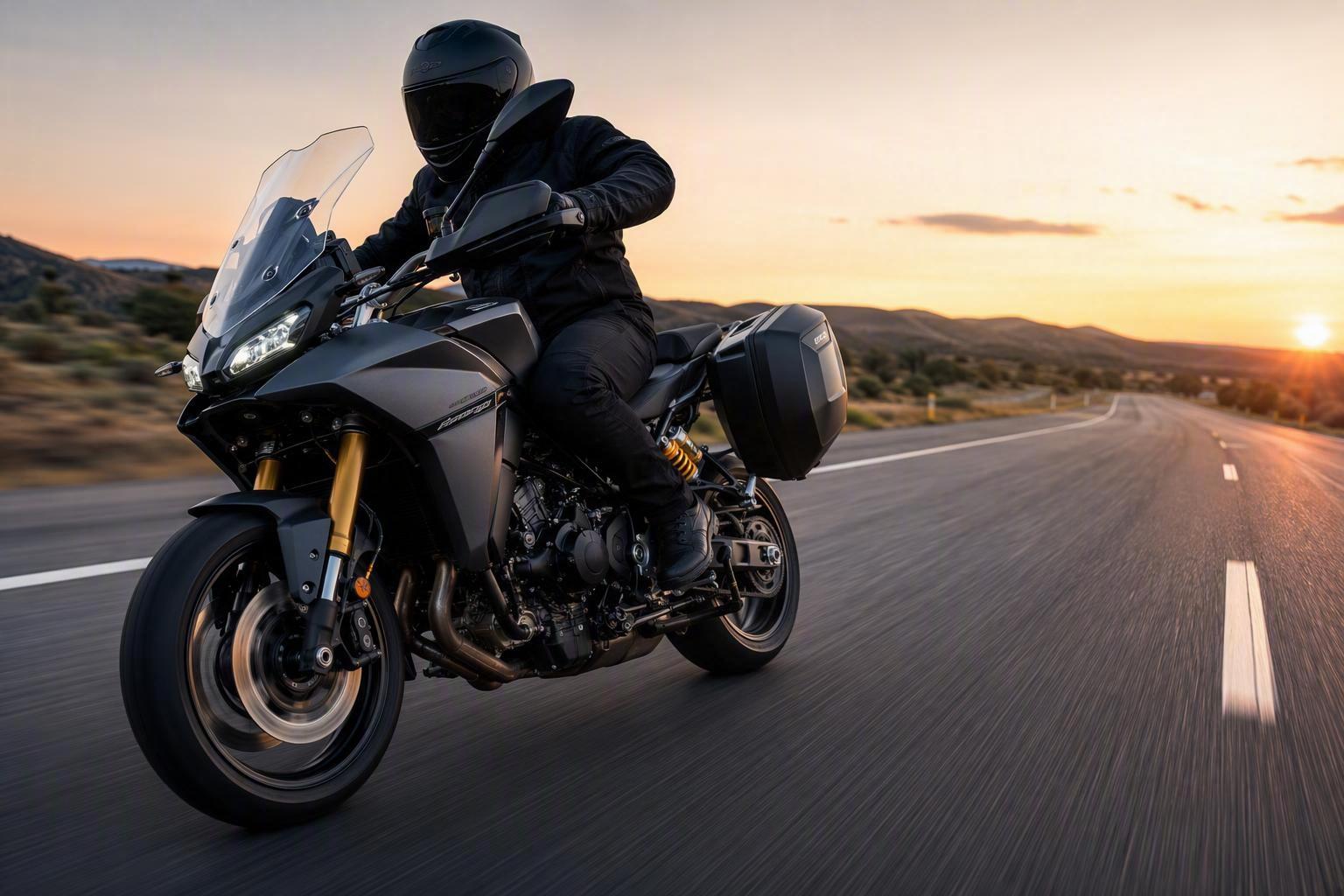
OEM/Wholesale suspension solutions for distributors, aftermarket brands, and service centers. Designed for street, sport, and touring bikes with customizable tiers to meet your market needs.
IATF 16949 & ISO certified factory with end-to-end in-house manufacturing.
100+ CNC machining centers and 3 independent production lines.
15+ years of R&D and 78+ technical patents.
92% of new brand clients expand to full series after first trial.
Kingham Tech offers suspension solutions tailored to distributors, OEM/brands, and tuning workshops. Whether you're stocking parts or launching new products, we ensure the right fit for your business.
For Distributors & Importers
Build a suspension line-up that sells — with strong coverage on high-volume scooter and motorcycle platforms, consistent quality, and healthy margins.
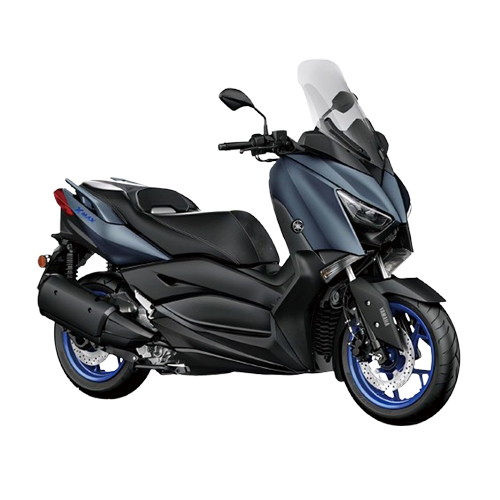
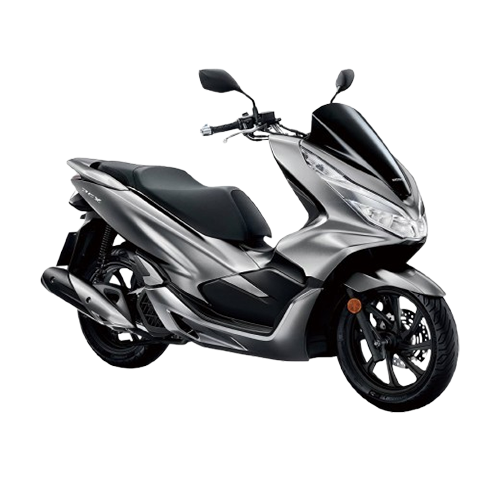
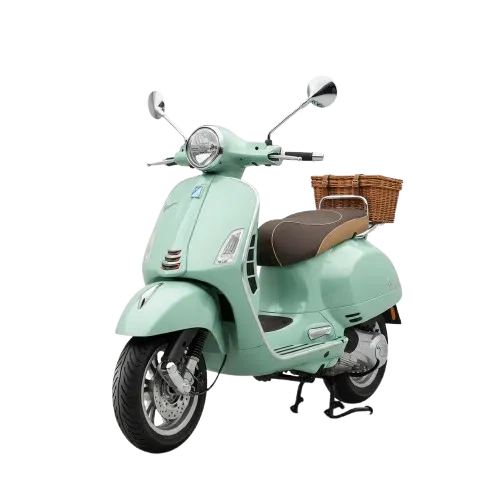
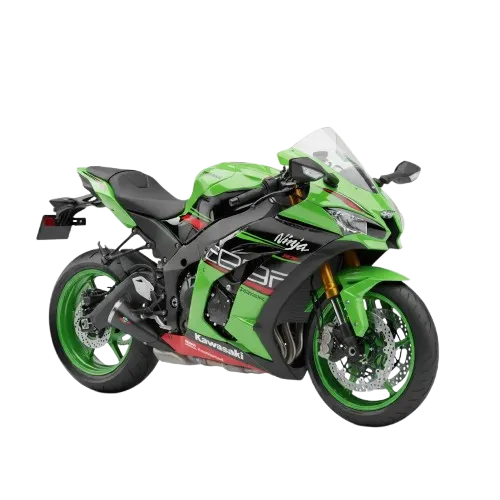
Wide platform coverage for fast-moving scooters & motorcycles
Tier ladder (Value / Performance / Premium) to protect margins
Stable lead time + reorder rhythm (monthly/quarterly replenishment)
Co-develop performance suspension platforms. From concept and valving definition to shock dyno curves and fatigue testing, our engineering team works as your extension.
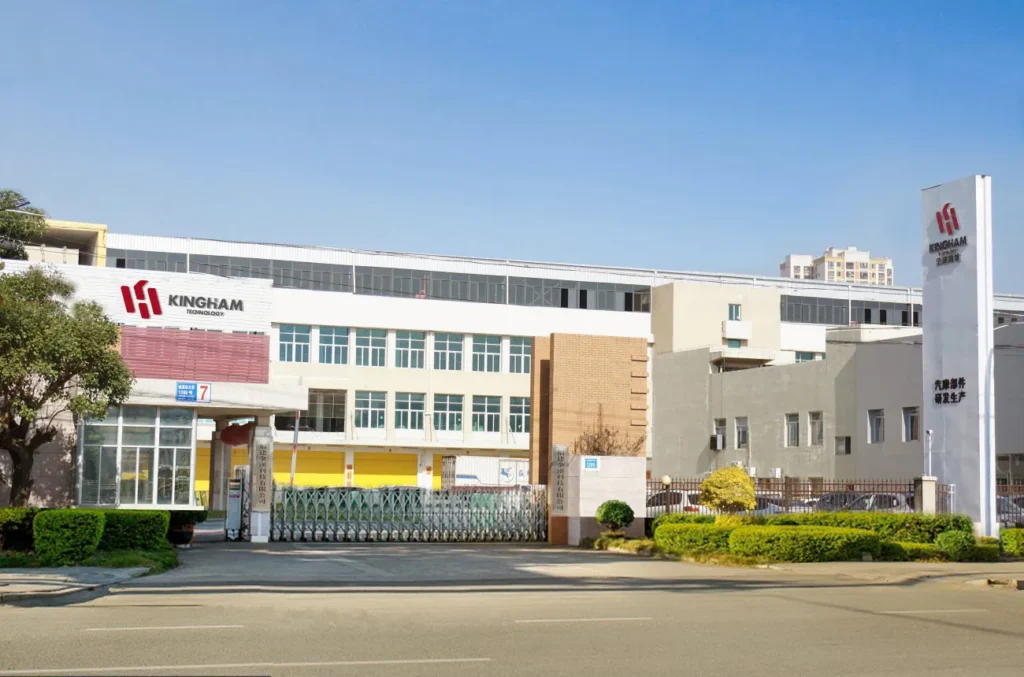
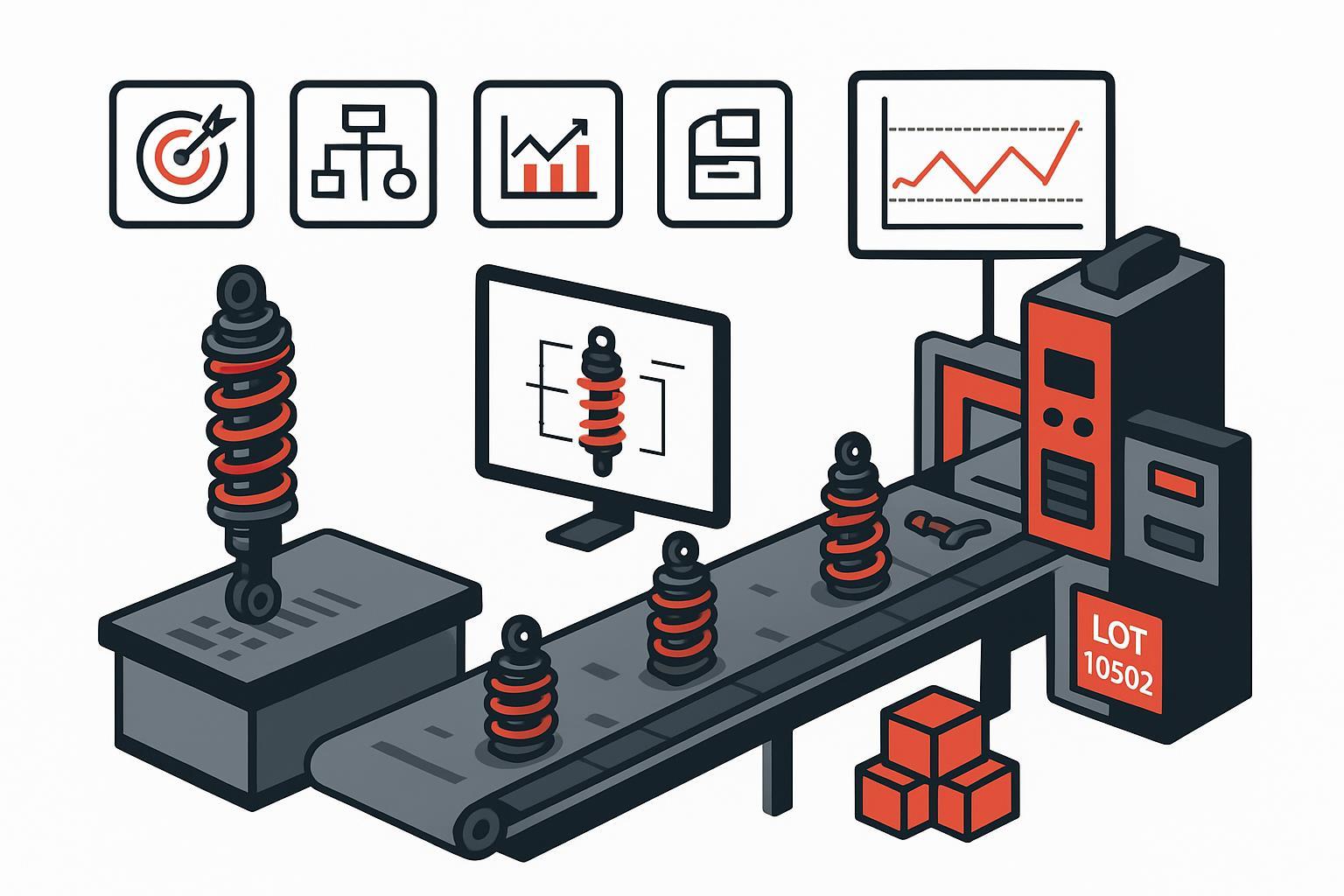
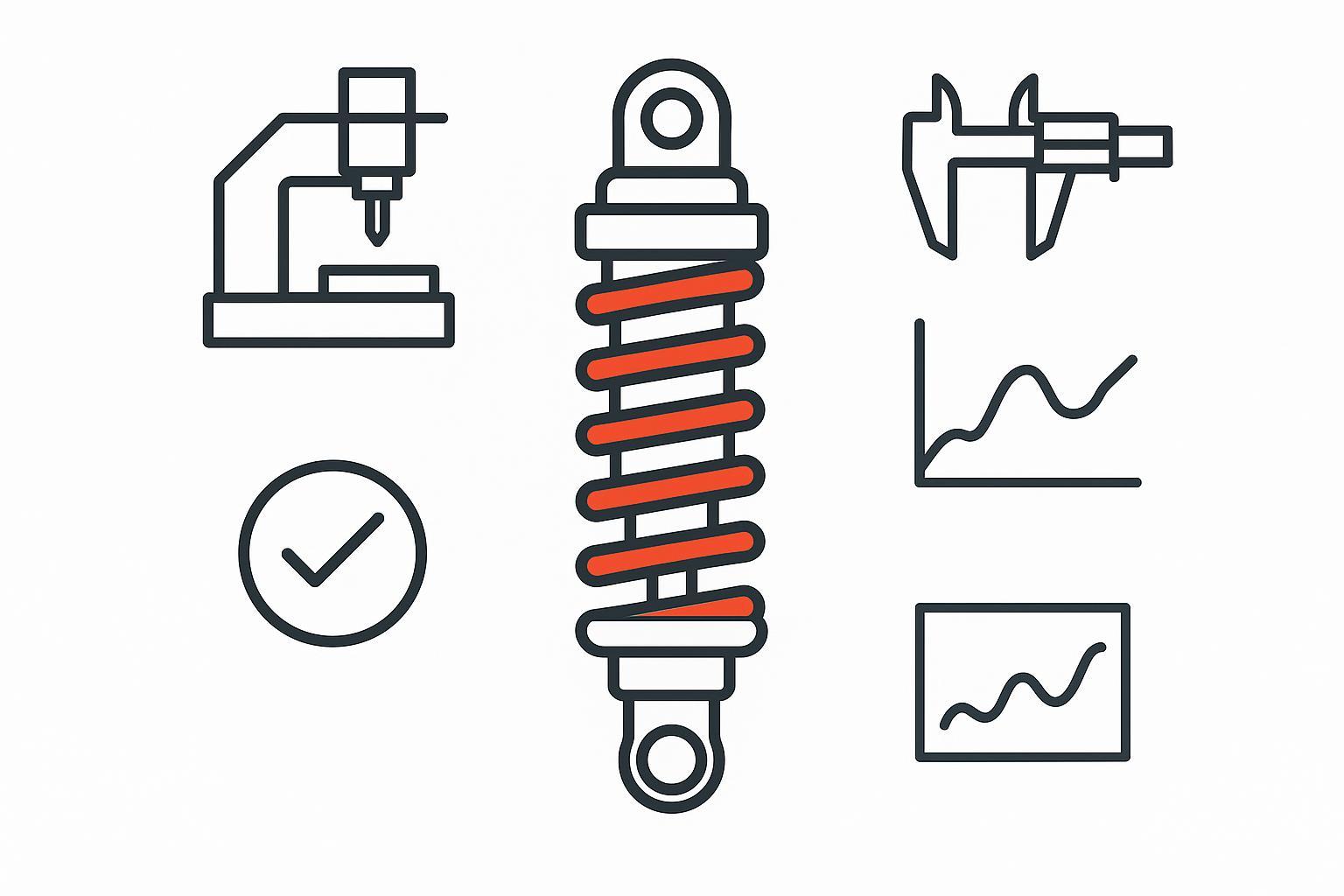
As an Expert Shock Absorber Manufacturer, our ISO-certified factory spans 20,000 square meters. It is equipped with three independent production lines, self-owned mold and anodizing workshops, and over 100 CNC machines. We ensure quality with full-line inspections for every Motorcycle Suspension OEM project.
End-to-End In-House Manufacturing
Self-owned mold workshop, CNC/NC workshops, and anodizing workshops.
Direct-from-Factory Advantage
Greater controls on quality and delivery.
Flexible OEM/ODM Customization
17 Expert R&D staff support full customization for Motorcycle Suspension OEM projects. Rapid turnaround: drawings in 10 days, samples in 30-45 days.
Market-Proven Reliability
Over 92% brand clients chose to work the whole shock absorber series with us after their first products' trial order.(data from 2022-2025 sales)
Share a few details about your project. Our engineers usually reply within 1–2 working days with a proposal.
FAQ for OEMs, Distributors & Service Centers
What is your typical lead time?
For repeat orders, our usual lead time is about 15-20 days depending on volume and model. New OEM/ODM projects include drawing and sample phases; we typically provide drawings in around 10 days and samples in 30–45 days once all specifications are confirmed.
Can I mix different models in one order?
Yes. We support mixed orders within an agreed minimum order quantity per model. Let us know your platform mix and annual volume, and we can propose a practical MOQ and replenishment plan.
Do you provide testing data and validation reports?
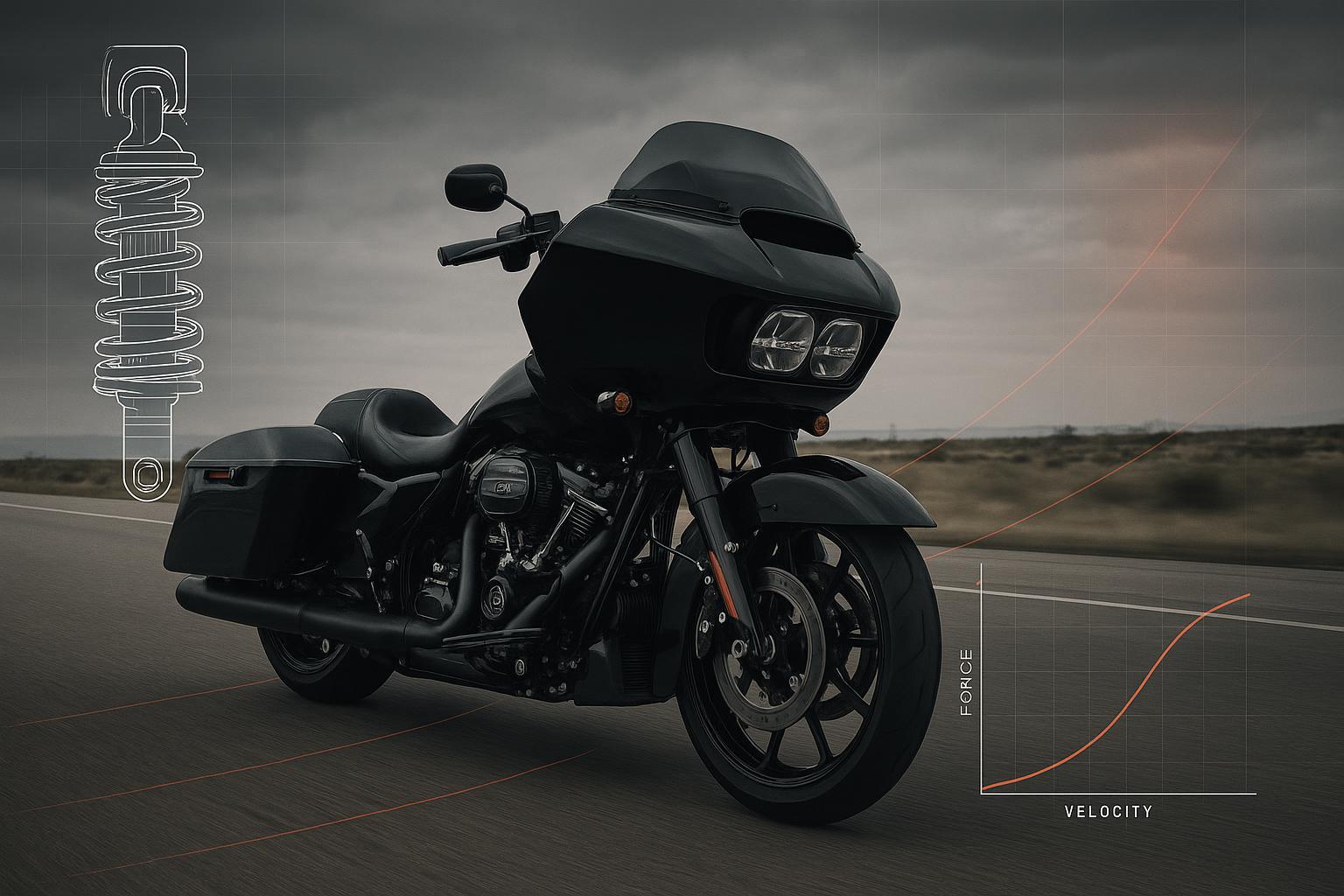
For OEM projects and key aftermarket lines, we can share shock dyno curves, fatigue test data, road test results, static friction data, and spring force test data, according to the project scope.
What kind of customization do you support?
1.We can customize based on motorcycle model
2. We can customize body design, length, spring rate, stroke, installation parameters and adjustment functions
3. We can customize colors, logo, packaging, stickers and instructions
Blogs & News
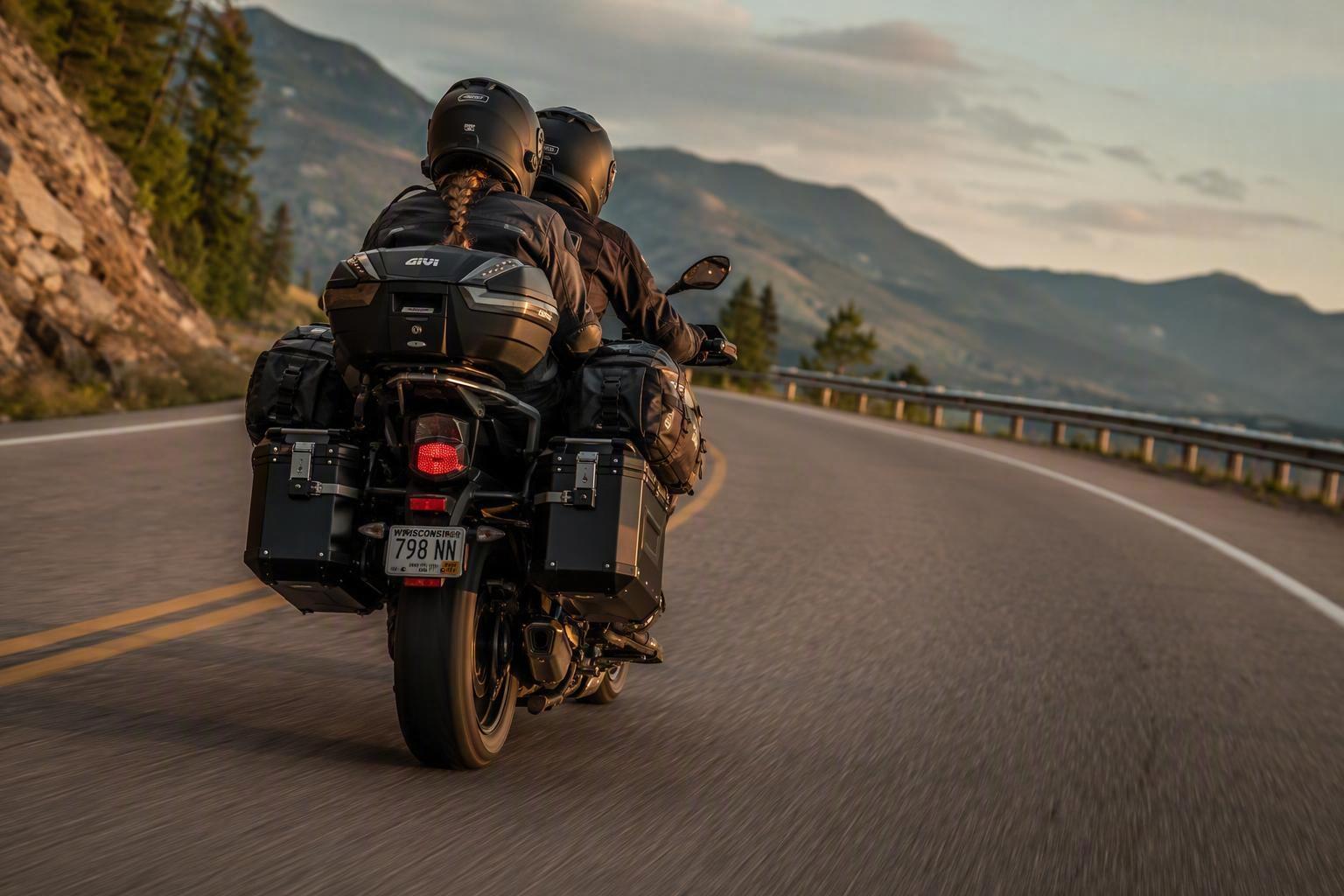
Why Motorcycles Feel Unstable With a Passenger and Luggage: Suspension Instability Under Load
Learn why motorcycles become unstable under passenger and luggage loads, and how spring rate, damping, load distribution and suspension validation......
High-Speed Wobble and Weave: How Suspension Design Fixes Instability
High-speed motorcycle instability is a system-level issue caused by damping, geometry, tires, and load behavior. This article explains wobble/weave modes......