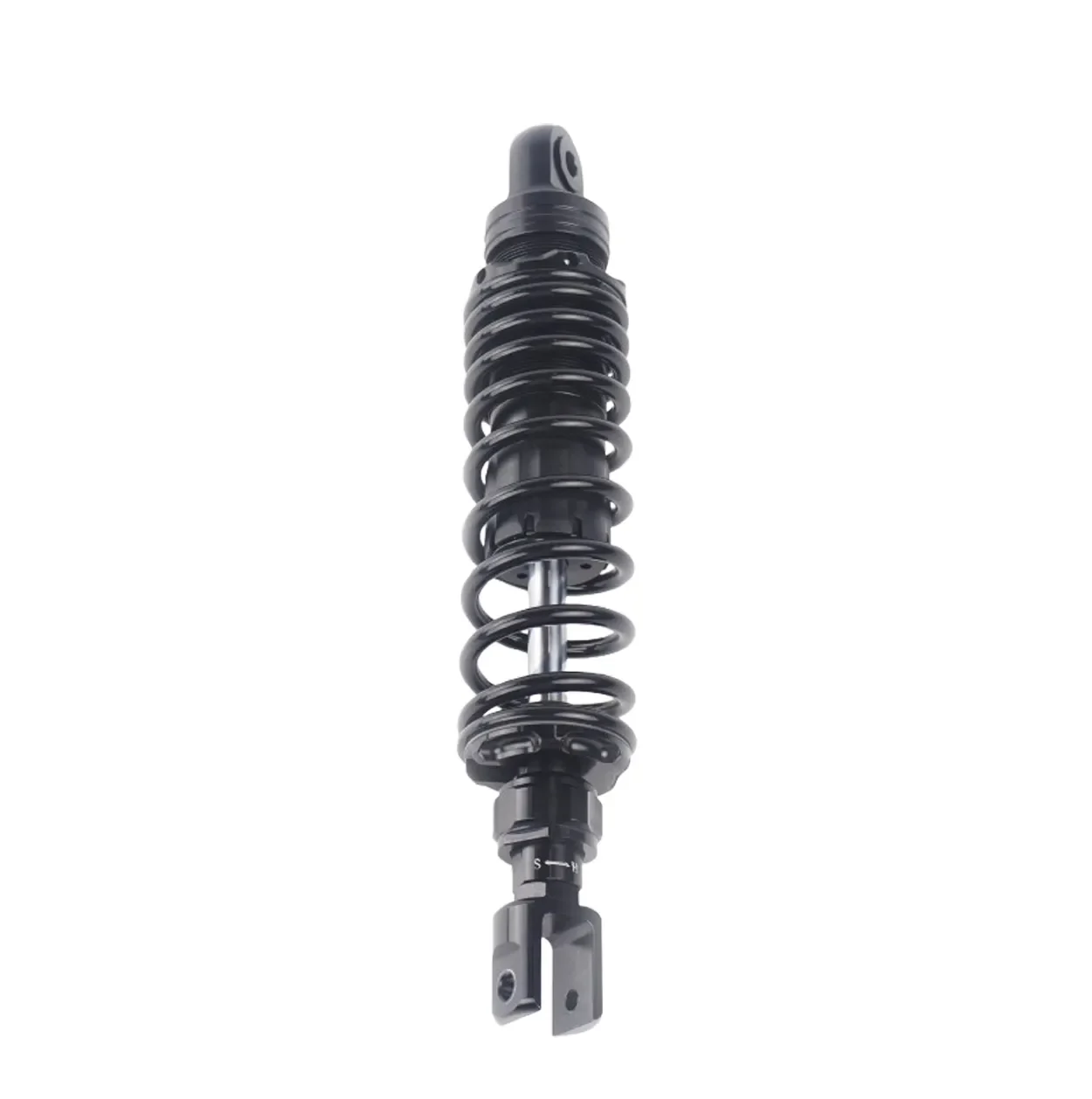
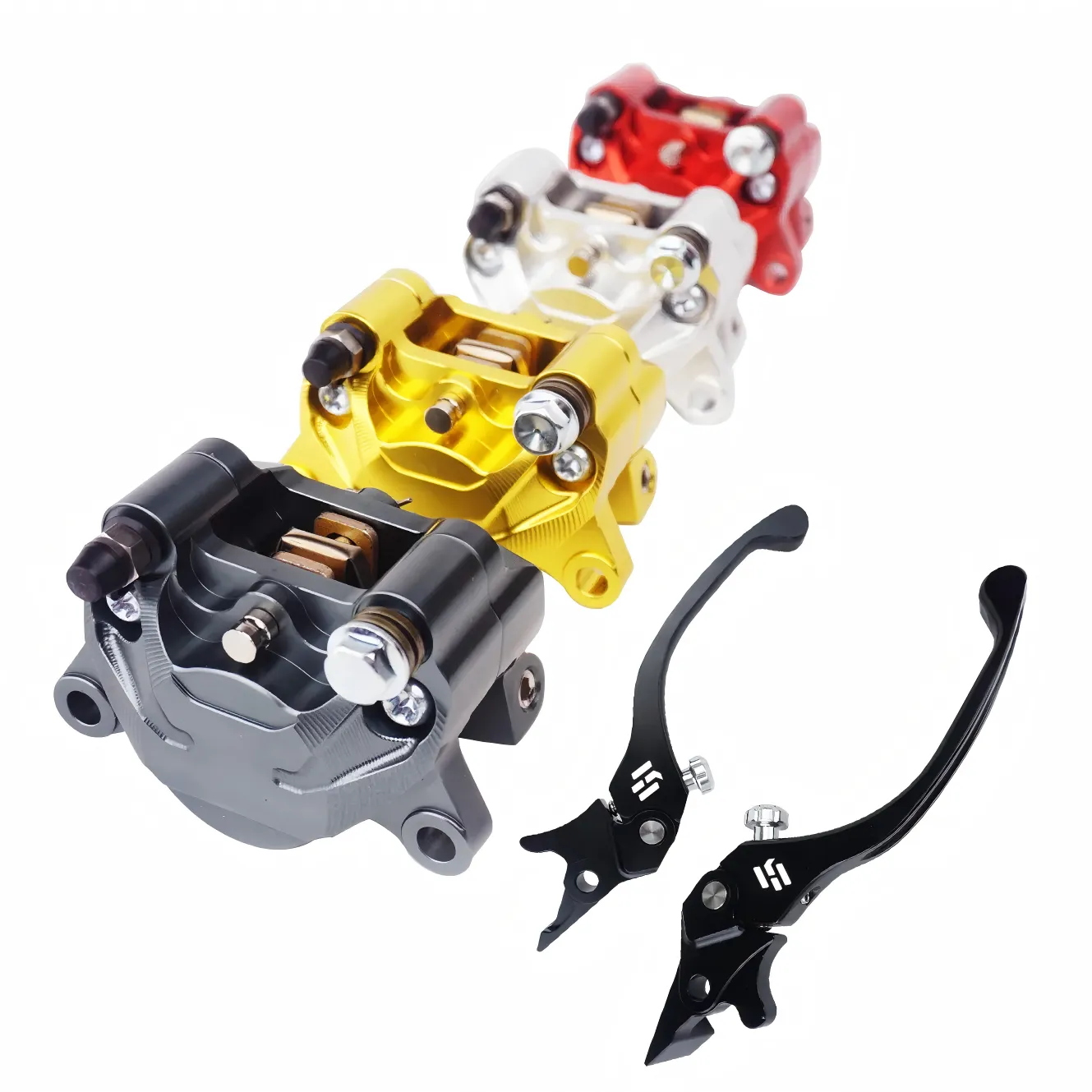
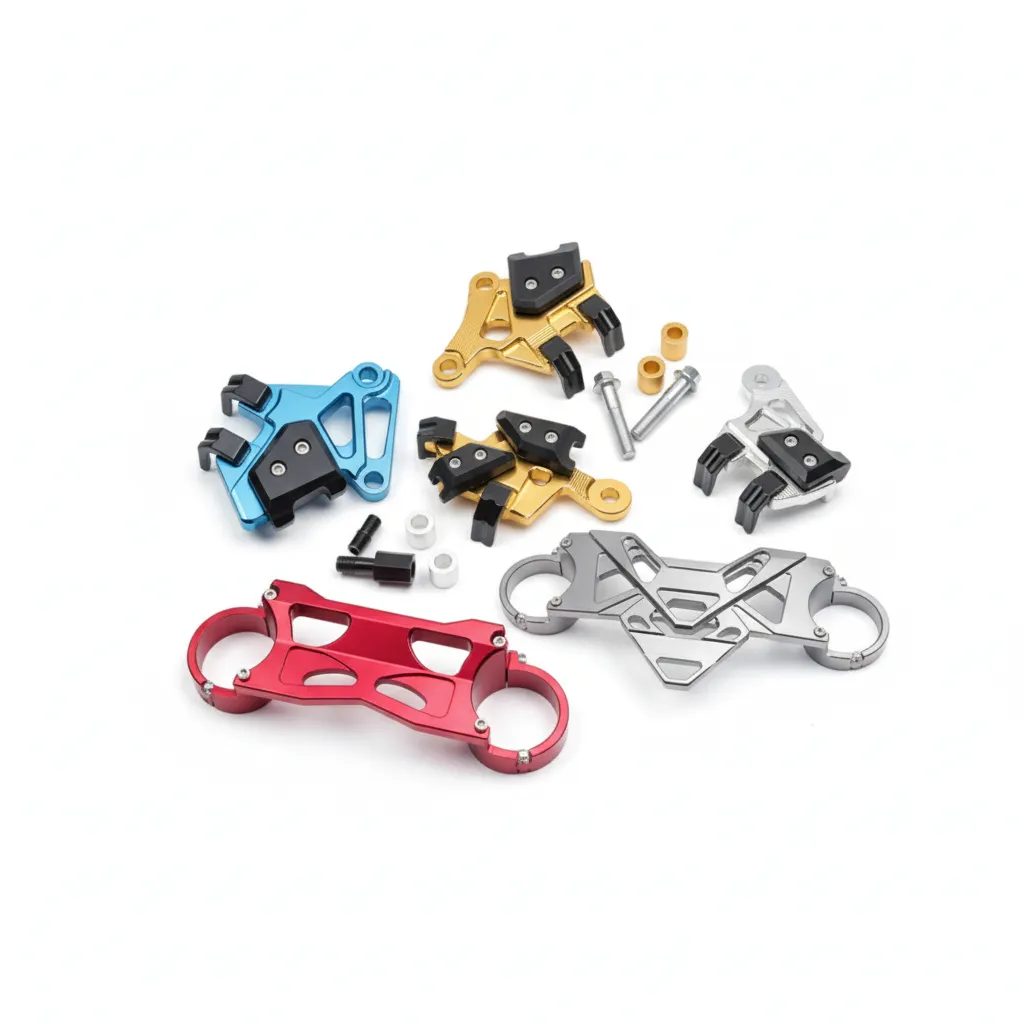


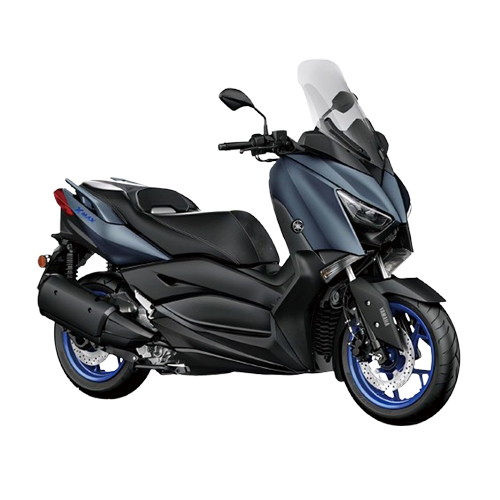
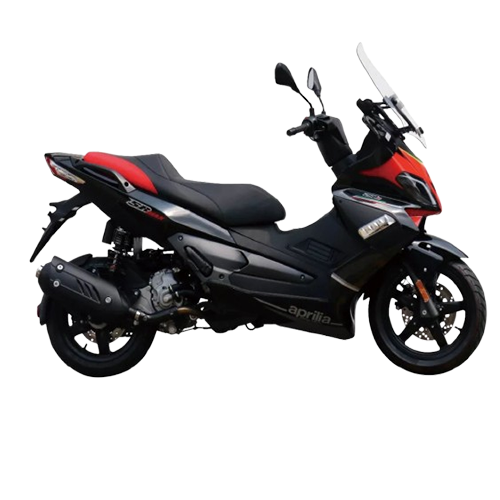
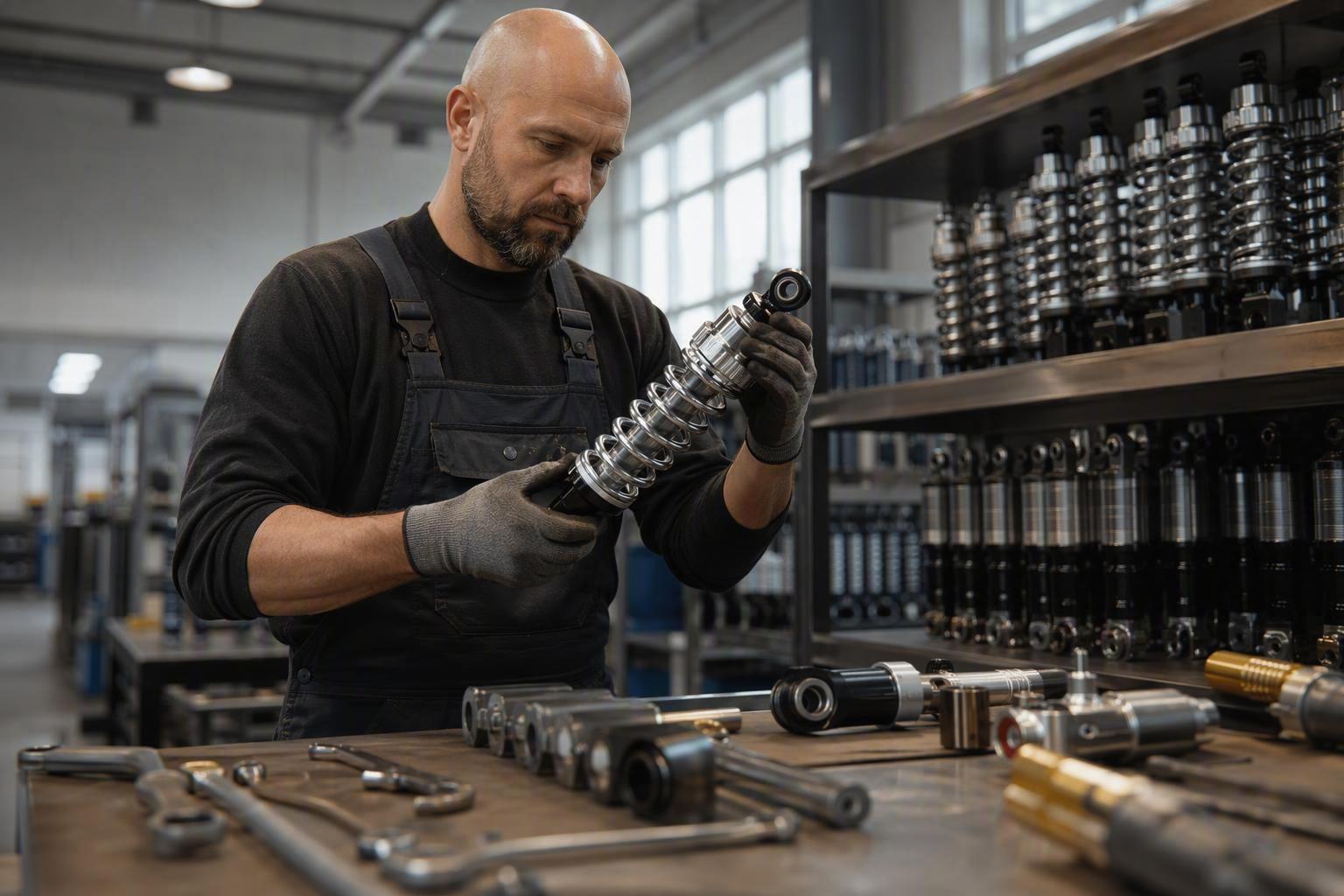
A motorcycle shock OEM quotation can look simple: MOQ, tooling, samples, and lead time. But these numbers are connected. The production setup your project requires is what ultimately connects them. How far the project moves from an existing platform is one of the main factors, but model mix, packaging, quantity per fitment, and supplier capacity can also change the result.
This guide explains how those conditions are connected, so you can understand what is fixed by your project requirements, what depends on the supplier’s production setup, and what should be clarified before you compare quotations.
Why Your Motorcycle Shock MOQ Isn’t a Single Number
Motorcycle shock OEM MOQ depends on what the supplier is being asked to produce, not simply on the fact that the order is an OEM project. A motorcycle shock absorber MOQ is set by the production setup the project requires: whether an existing platform and its components can be reused, whether fitment is already established, whether new tooling is needed, how the line and packaging are configured, and how quantity is spread across models.
The Three Paths of Motorcycle Shock Customization
A lower MOQ is more likely when the supplier can reuse an existing platform, components, tooling, and production setup; a higher one becomes more likely when the project introduces dedicated components, tooling, or production steps. That idea runs underneath all three paths below.
Path 1: existing platform and fitment-based OEM
The architecture and internal components already exist; the project adds model-specific fitment plus branding or packaging. With the production setup already running, MOQ is typically the lowest of the three levels.
Path 2: component-level customization
Spring rate, damping, mounting components, shaft, reservoir or internal parts change while the platform stays. Each changed part pulls in its own procurement and production minimums, so MOQ rises with the number of components touched.
Path 3: new geometry or new product development
New mounting geometry, dimensions, structural components, or a new architecture may require dedicated tooling, additional samples, and a longer development cycle. The supplier may then reflect those additional setup requirements through tooling charges, MOQ, unit pricing, or a combination of these terms. This is the level where two suppliers can quote very different commercial conditions for what looks like the same shock, and the reason is usually the production setup, not the label on the enquiry.
Treat the MOQ in a quotation as a description of the production setup behind it, not as an industry benchmark.
So “more customization, higher MOQ” is a useful direction rather than a rule. A project built entirely on an existing platform can still carry a per-model minimum: say you want three fitments, each needing its own component set, and you only want 30 units of each. No new tooling is involved, yet the supplier still has to set up and procure for three separate models, so the MOQ follows the setup rather than the customization level.
For a multi-fitment enquiry, Kingham can first assess whether the fitments can share an existing platform, and whether they can then be combined under an agreed per-model minimum or have to be set up separately.
Do You Actually Need New Tooling?
Whether a motorcycle shock OEM project needs new tooling comes down to one question: which parts of the product actually change, and can the existing production tooling support them? That single answer drives cost, schedule, and who holds the asset afterward.
Put four sub-questions to any supplier before you commit: what changes, does existing tooling cover it, who pays and who owns the result, and how does it move the timeline.
When Your Existing Tooling Is Probably Enough
Tooling often stays untouched when the project works inside an established platform. Common cases include reusing existing components, making a limited fitment adjustment such as a different eye-to-eye length within the current body family, or changing only branding and packaging. In these situations the shock’s internal structure and mounting geometry are unchanged, so the supplier is adjusting specification and finish rather than cutting new metal.
When Dedicated Tooling Enters the Picture
Dedicated tooling becomes more likely when the change affects the geometry, interfaces, structural components, or production process in ways that existing tooling cannot support. New geometry, new mounting components, new structural parts, or a new production process may require dedicated tooling when the existing setup cannot produce the part as specified — though some of these can still be handled through CNC machining, a modified fixture, or existing production equipment. The further the change moves from the current platform, the more likely a project crosses from specification adjustment into tooling investment.
Who Pays for and Owns the Tooling?
Tooling should be identified separately from the unit price, even when the supplier chooses to recover the cost through another commercial structure. Payment structures vary: tooling can be invoiced upfront, paid by milestones, or amortized into unit price as a recoverable cost over a volume commitment (Global Procurement, 2026). Note that paying for a tool does not by itself transfer ownership without an assignment clause — payment does not necessarily determine ownership, so ownership should be explicitly defined in the tooling agreement. The practical questions are who owns the tooling, where it is kept, whether it can be used for other customers, what happens if the relationship ends, and whether it can be transferred. Keep the tooling charge distinct from the production deposit: it is tied to delivery of the tool and to sample acceptance, not to the first production run (China IP Gateway, July 2026).
Ownership and payment terms vary by supplier and project. Agree them in writing before tooling starts.
What Tooling Does to Your Timeline
Tooling is not only a cost line; it gates the schedule. New tooling adds development time before samples can be produced, shifts the sample schedule, and determines when the line is production-ready. A project that reuses existing tooling can move to sampling faster than one waiting on new dedicated tooling.
Before the project moves to the sample stage, four things should be settled: whether the change requires new tooling, who pays for it, who owns it, and how it shifts the sample date.
What You’re Really Approving at the Sample Stage
Motorcycle shock sample approval is not a single event. Sample stages vary by supplier and project — one may call them prototype, engineering, or EVT/DVT samples, another may add a pilot run.
The labels below are useful for understanding the questions each stage should answer, rather than a universal three-stage industry standard. Each stage answers a different project question, and a sample that satisfies one stage may be the wrong artifact for the next. Two of those questions are worth separating before anything else: product validation and process validation answer two different questions (Kingham Tech, requirements to SOP, retrieved 2026-05-09). The first asks whether the suspension meets the performance intent. The second asks whether it can be manufactured repeatedly with controlled variation. A sample can pass the first and still fail the second. The stages below map onto that split: as a project moves from a working sample to a production-ready one, the question shifts from “does it work” to “can it be produced this way.”
The important point is not how many sample stages a supplier uses, but whether each stage has a defined approval purpose.
The Design or Engineering Sample
This stage resolves one question: is the proposed configuration technically workable? It is typically a hand-built or prototype-tooled unit, and its job is to prove the concept before anyone commits to production tooling. Expect to inspect geometry, mounting interface and basic function, not final finish or serial consistency.
The Validation Sample
Here the question shifts to whether the sample meets the agreed requirements. The sample is checked against the specification you signed off: dimensions, fitment, performance, adjustment range, and durability or validation items where they apply. This is the stage where a measured deviation matters more than a visual impression, so agree the measurement method and acceptance criteria before the sample is built.
The Pre-Production Sample
A pre-production sample, where used, asks whether the production-intent configuration is ready for approval. It should come off the intended process, not a bench, which is why the wait differs so much by starting point: a sample on an existing platform and a sample on new dedicated tooling are not the same wait.
One approval rule is worth holding to: know which question a sample was built to answer, what it was measured against, and whether the next stage uses the same tooling.
How the Development Timeline Comes Together
An OEM shock absorber project can pass through several stages before the first production order is allowed into the normal manufacturing schedule. A quotation may cover only production, or it may include some development and tooling costs. Before you plan around it, confirm which stages the quoted price actually covers.
A development clock typically runs from brief to start of production, with the stages running partly in parallel rather than end to end. The stages below follow that structure. How long each one takes depends on the project, so treat any duration as an example rather than an industry standard.
Starting With Your Requirements
You supply the inputs: fitment and mounting geometry, eye-to-eye length, travel, load and riding conditions, adjustability, branding and packaging, and target annual quantity. The supplier turns them into a defined specification the project can be measured against. A requirement that stays vague cannot be controlled at start of production, which is why undefined briefs become expensive later.
Design and Engineering
The supplier produces the concept design and reviews it against production feasibility. This is a review step for you, not a waiting step: confirm the interfaces, the adjuster layout and the performance targets before the design is frozen, because changes after this point re-enter the sample loop.
Sample and Validation
Prototype loops build and test the design. Expect more than one iteration. You confirm performance against the targets you defined at the start, and anything outside the agreed range goes back to the design stage.
Tooling, If the Project Needs It
Where the change touches mounting geometry, body dimensions or a new reservoir layout, motorcycle suspension OEM tooling runs in parallel with the sample loops rather than after them. You confirm the tooling scope and who owns it before it is cut.
Pre-Production Approval
A pilot run on production-intent tooling produces first-article inspection results and agreed inspection records. You sign off on the accepted sample and records. Nothing moves to volume before this sign-off. That sign-off is where development ends and the production schedule is allowed to begin.
The development clock and the production clock are not the same clock. A development programme and a production run are two different commitments, and a supplier who quotes only one of them has not fully quoted your project.
Before accepting any development timeline, establish which of these stages the supplier’s dates actually cover, and which are still open.
So When Does Production Lead Time Actually Start?
A motorcycle shock OEM project involves three separate time measures, and mixing them up is a common source of missed launch dates. For planning purposes, development time can be treated as the period from requirement definition to pre-production approval. Production lead time can likewise be treated as the period from production release to shipment, though suppliers may define the start point differently. Total project time runs from brief to shipment — and it is not simply development time plus production lead time, because some activities run in parallel. Since suppliers define the production clock differently, ask two separate questions: what event starts the clock, and which activities are included in the quoted lead time. Material sourcing is a good example of where definitions diverge — some suppliers treat order confirmation and material sourcing as sitting inside the production clock rather than before it, and lead time and delivery date are not the same term. Don’t assume a standard definition; ask each supplier what their quoted lead time measures from and what it includes.
First Production Order
For a new platform, the schedule only becomes a production schedule after the earlier stages close. As our own reference point, we currently indicate a typical timeline of around 10 days for drawings and 30 to 45 days for samples once specifications are confirmed, which places the sample stage ahead of any production commitment. The same read applies whether the project is a front shock absorber or a rear unit, since tooling and sample sequences are set by the change, not the position on the bike. These are indicative operating ranges, not guaranteed delivery commitments, and actual timing depends on quantity, model mix, material availability, and the production schedule at the time of order. Treat those figures as an example rather than a definition. The general principle they illustrate is broader: until the sample is approved and the production inputs are locked, a date quoted to you is an estimate, not a schedule.
Repeat Orders
For our current production setup, repeat-order production typically runs at around 15 to 20 days depending on volume and model — an operating range for an established platform, not an industry benchmark. That is the practical advantage of a proven platform, and it is where our rear shock absorbers tend to sit once specifications and tooling are already on file. The reason repeat cycles are shorter is structural rather than commercial: specifications are already established, tooling is already available, the process has been validated, and there is little engineering work left to do. Because development timing and repeat production timing are quoted as two separate figures, an established platform is priced on the production clock rather than the development one.
Condition | First production order | Repeat order |
|---|---|---|
Specifications | Defined and approved | Already on file |
Tooling | Completed if required | In place |
Sample approval | Required | Not repeated |
Engineering work | May be required | Usually minimal |
What Can Still Move the Date
Quantity and model mix are the two most common. We support mixed orders within an agreed minimum order quantity per model, and mixed batches are permitted provided the minimum quantity is met for each model. Raw material availability, component sourcing, packaging and the supplier’s existing production schedule can each move a date as well.
What Your Supplier Needs From You
Missing information rarely stops the first conversation, but it limits how accurately a supplier can price the work and how firmly they can commit to a timeline. The input groups that matter most are below.
Product and Fitment Information
Start with the motorcycle model, year and generation, since the same nameplate can carry different rear suspension geometry across model years. Then add mounting dimensions: eye-to-eye length, upper and lower mounting type and width, and any clearance constraints around the reservoir or spring. If you already have a physical sample, a drawing or a CAD file, send it. A sample removes more ambiguity than any written description, and a dimensioned drawing lets an engineer check fitment before quoting rather than after.
Performance Requirements
This is where requirements have to be measurable before they can be controlled in production. If a requirement cannot be measured, it is difficult to verify consistently during production — “firmer than stock”, for example, cannot be confirmed at the end of the line. Specify load, damping requirement, spring rate or spring requirement, and the adjustment range you expect, whether that is preload only or preload through rebound and compression. Application conditions matter too: rider and luggage weight, road or track use, and the temperature range the shock will see.
If you do not have a full damping specification, that is not a blocker. A reference shock, an OEM baseline, a vehicle setup, or a clearly described target riding behaviour — “this should feel more controlled than the stock unit over rough tarmac” — still gives the supplier a starting point for defining test requirements.
Commercial Requirements
Commercial inputs shape the production plan as much as the technical ones. Give the target quantity, the model mix if you are sourcing more than one fitment, and your expected order frequency. Add branding and packaging requirements, and name the target market along with any applicable compliance requirements, because labelling, language and approval expectations follow the destination. Stating your intended first-order size early also helps the supplier confirm the MOQ and production plan your project would run on.
When Some Information Is Still Missing
You can still open a discussion, but expect a quotation with wider ranges and a development timeline marked as provisional. For us, the purpose of collecting these inputs is not only to calculate a unit price. We use them first to classify the project into one of three paths — existing platform, component-level changes, or dedicated development. That classification then informs the MOQ, the tooling requirement, the sample plan, and the development schedule, which is why the same set of inputs decides so much of the quotation.
Using These Conditions to Compare Suppliers
When comparing motorcycle shock OEM suppliers, look at the conditions behind the quotation, not just the unit price. Two quotes for the same shock can differ by thousands of dollars in tooling, several weeks in development, and a per-model minimum that decides whether a small first order is even possible. The checklist below turns those conditions into questions you can put to each supplier.
MOQ
Does the motorcycle shock absorber MOQ apply per model, or can quantities be pooled across fitments? A pooled number looks smaller and is often unusable, because the supplier still has to set up each model separately. Confirm the minimum for each model you actually intend to order, and ask what replenishment plan the supplier proposes for the mix you expect in year one.
Tooling
Does your change require new tooling at all, or can existing tooling be reused? If new tooling is required, the next two questions matter more than the price: who pays, and who owns it. Ownership is the one that gets missed. It is locked at the RFQ stage, not after the order, which means the decision is made before you have production data to negotiate with.
Samples
How many sample stages are included, and what does each one validate? A single sample round and a multi-stage sequence produce very different confidence levels before mass production. Later-stage samples are where fitment, performance, and production-readiness issues can be identified before volume production.
Development Timeline
Does the development clock start when specifications are confirmed, when tooling is approved, or at another agreed milestone? Because the trigger varies by supplier, a project can sit idle for weeks while that point is still open.
Production
For motorcycle shock OEM lead time, ask when the clock starts, and what event releases the order to production. Treat any lead time quoted before pre-production approval as provisional. For an established platform, repeat orders may run on a shorter production cycle because tooling and validation are already in place.
Commercial Terms
Which terms are still open, and which one would move the price most if it changed? Confirm how long the quoted price holds, what delivery basis it assumes, and how changes requested after sample approval are handled — rework, re-sampling, or a revised price — so a firm-sounding number does not turn into a moving one.
Sample and Development Charges
What is billed separately from the unit price: sample fees, engineering or development fees, testing and validation costs, and the tooling charge itself? Confirm whether any of those amounts are credited back against the first production order, and on what basis, so you can compare the true cost of each quotation rather than a headline price.
Item | What to confirm |
|---|---|
MOQ | Per model or mixed-model? |
Tooling | Required or reusable? |
Tooling ownership | Buyer or supplier? |
Sample stages | What does each stage validate? |
Sample / development charges | Charged separately? Credited back? |
Development time | What steps are included? |
Production lead time | When does the clock start? |
Repeat order | What changes after the first order? |
Taken together, those questions let you compare suppliers on the project conditions each one is pricing, not just on the headline unit cost. Two quotations can look similar per piece and still commit you to very different MOQs, tooling terms, sample plans, and timelines — so the comparison that matters happens at the level of conditions, not of price.
Where to Start With Your Project
If you are preparing your first motorcycle shock OEM project, the most useful starting point is not the unit price alone. Define the fitment, the customization path, the target quantity, the tooling requirement, and the development requirement first. Those five inputs determine which parts of the project can run on an existing platform and which need new development, and they are also what makes a quotation comparable between suppliers.
When you are ready, share your motorcycle shock requirements with Kingham. The engineering team can review the fitment, customization scope, target quantity, and development requirements, then clarify whether the project can use an existing platform or requires dedicated development — and what that means for MOQ, tooling, samples, and production timing.