

Why Motorcycle Suspension OEM Projects Fail in Emerging Markets: Supply Chain Reality vs Production Stability
Why good suspension samples fail after SOP: supply chain variation, process drift, and what evidence proves batch stability.

Why good suspension samples fail after SOP: supply chain variation, process drift, and what evidence proves batch stability.
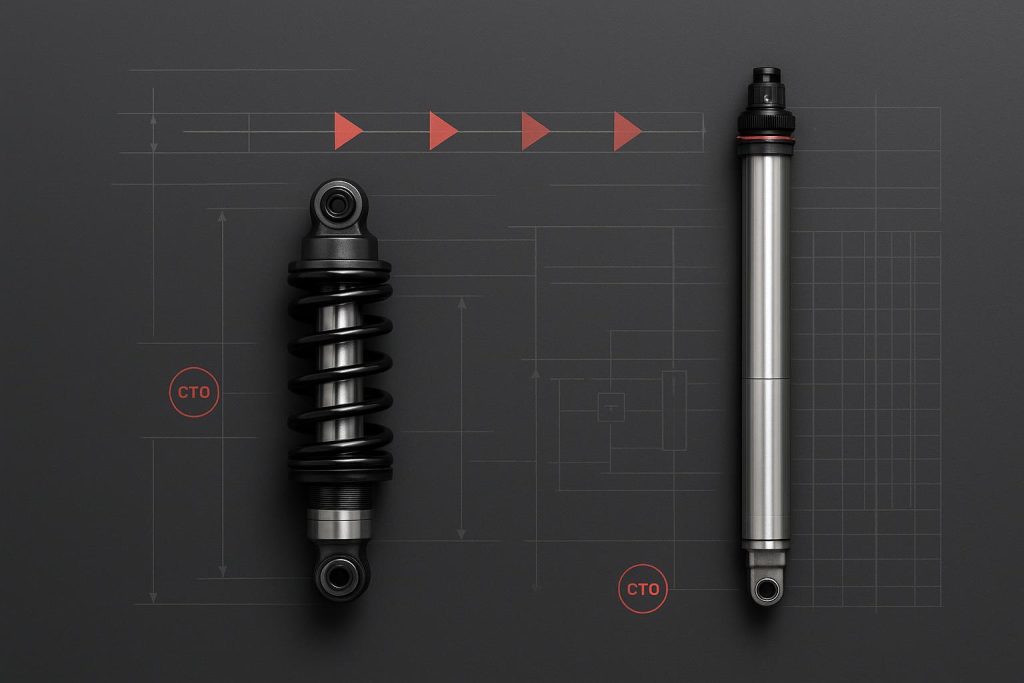
Stage-gated OEM workflow: map requirements to CTQs, validate the process, and control SOP production for stable batch-to-batch performance.
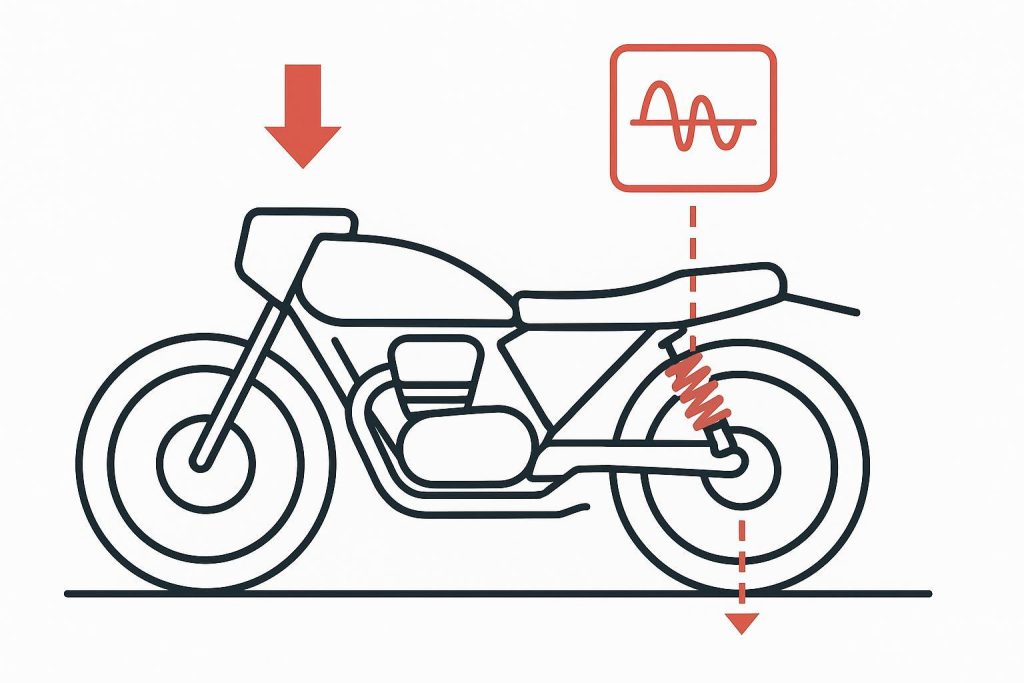
Why two-up and touring loads expose instability—and how to evaluate sag, damping capacity, and thermal consistency at the system level.
High-speed motorcycle instability is a system-level issue caused by damping, geometry, tires, and load behavior. This article explains wobble/weave modes and how suspension design resolves them.
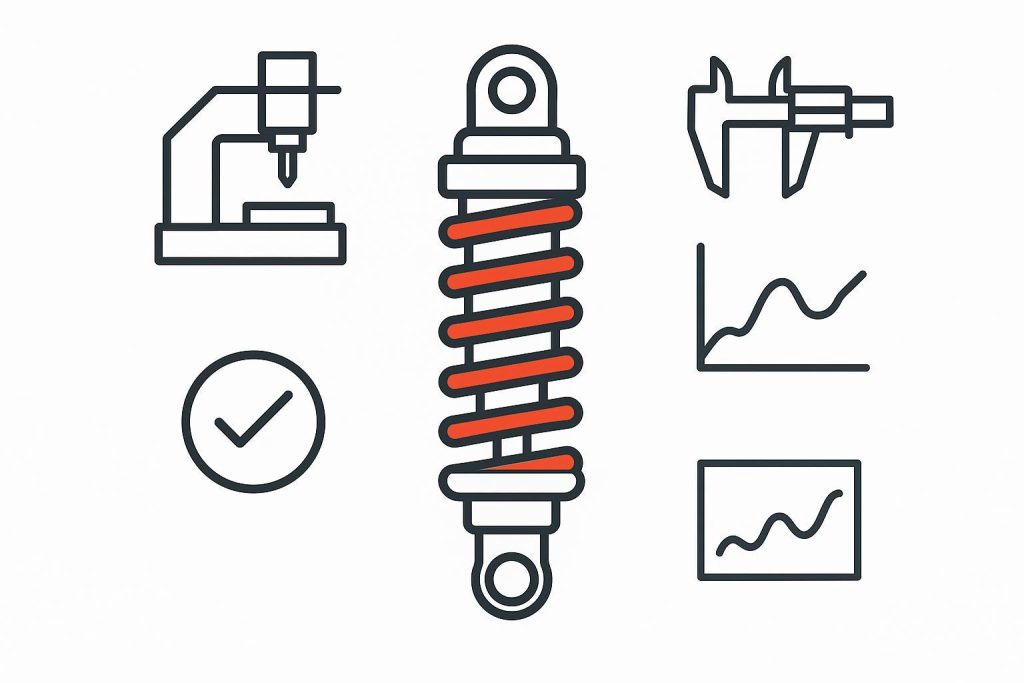
A stage-gated OEM/ODM workflow to prevent prototype-to-production drift, control batch consistency, and hit SOP with APQP/PPAP discipline.
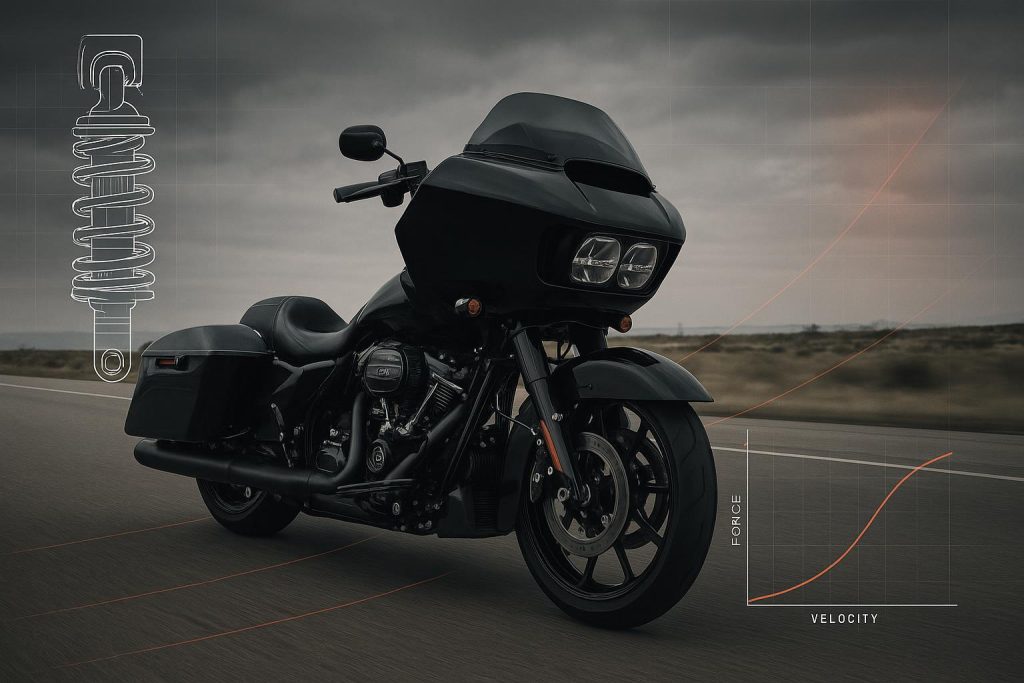
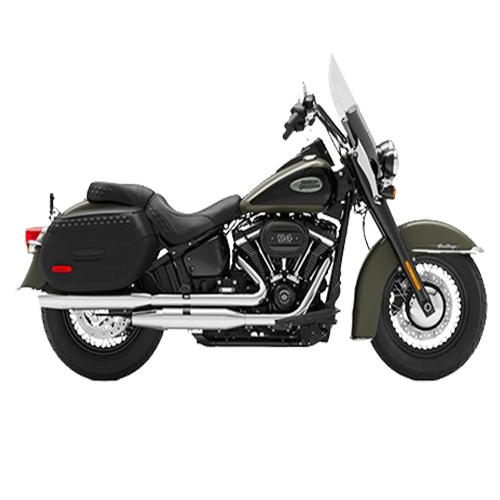
Engineering buyer’s guide for Road Glide/Street Glide stability: chassis setup, damping and validation for touring performance.
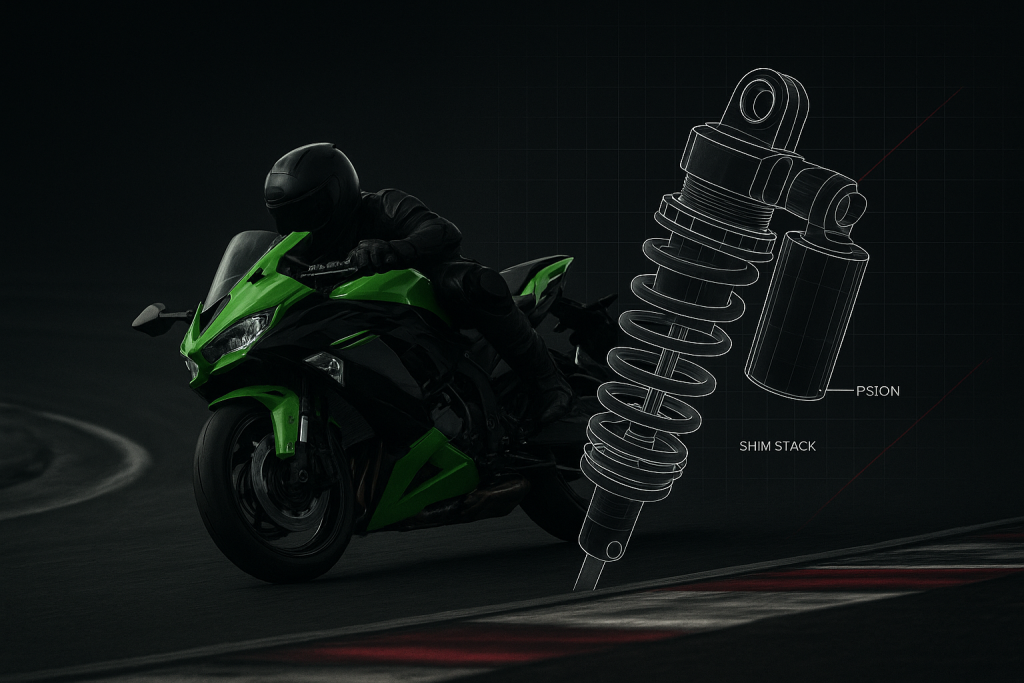
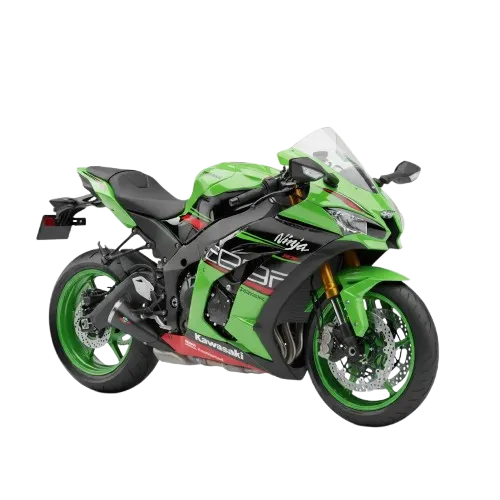
How shock design controls squat, pitch, and chatter on Kawasaki sportbikes—plus a tuner framework for stable, repeatable setup.
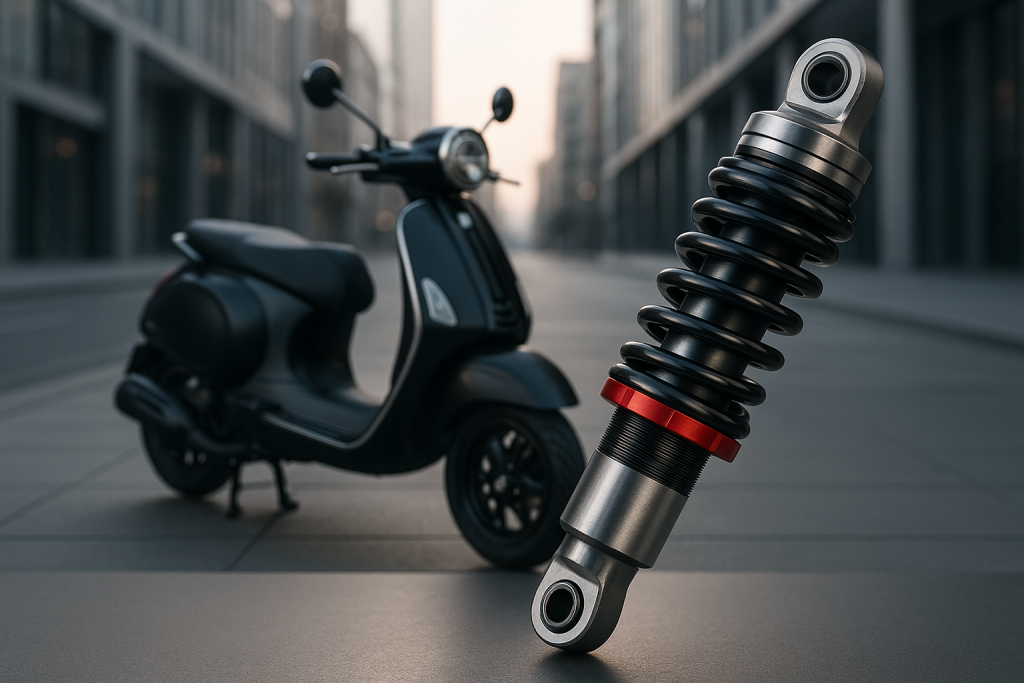
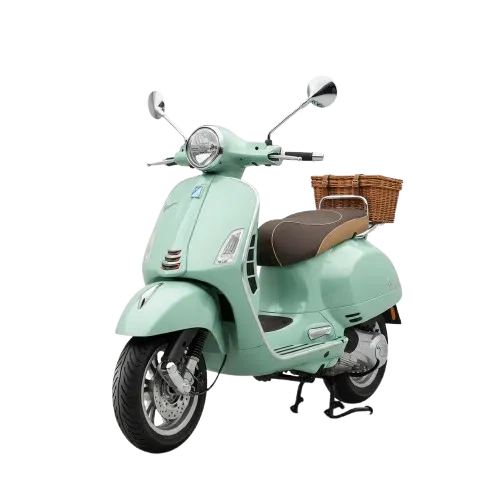
A decision-stage sourcing guide for distributors and brands: evaluate Vespa shocks, build a SKU ladder, and qualify suppliers.

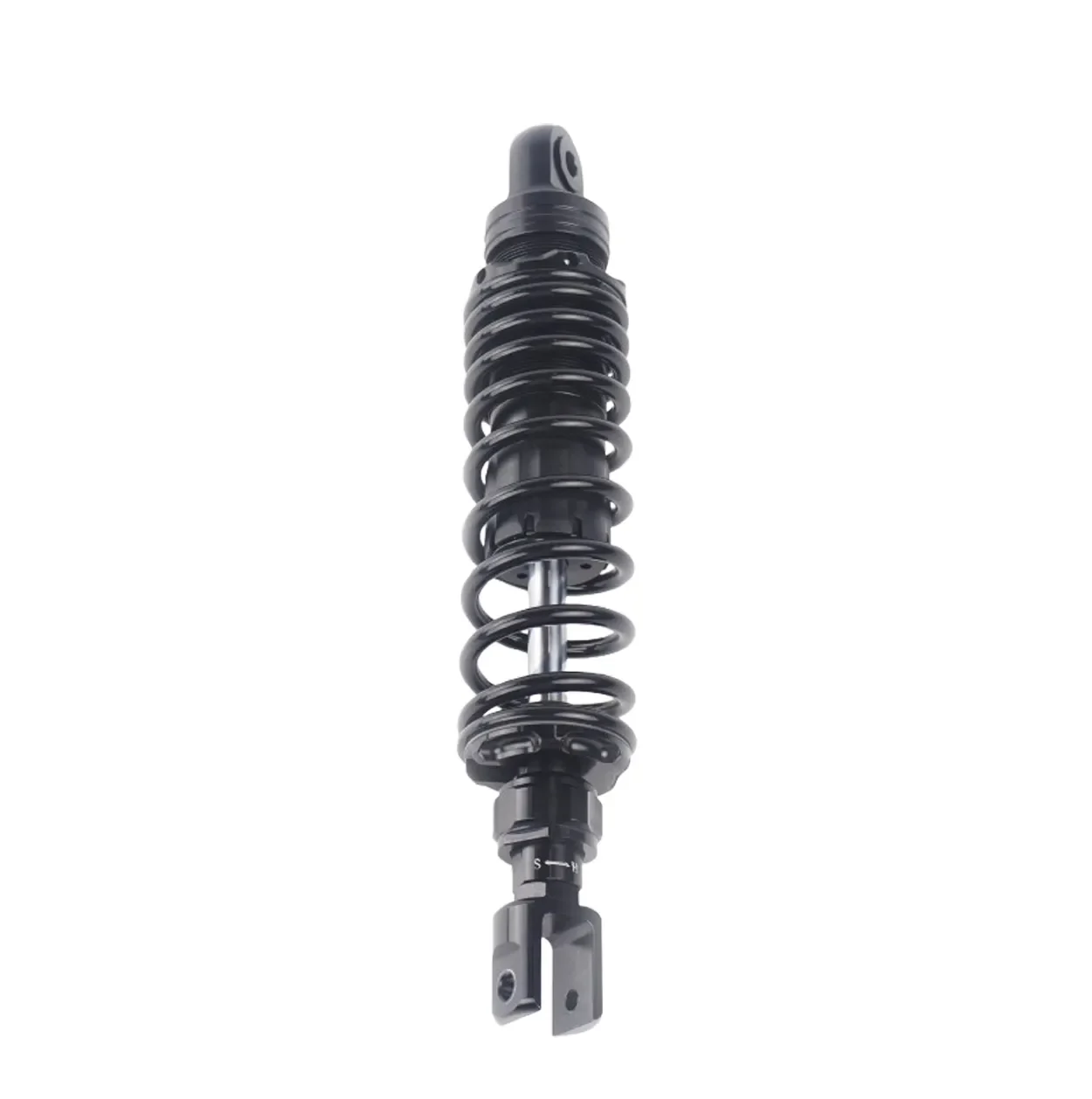
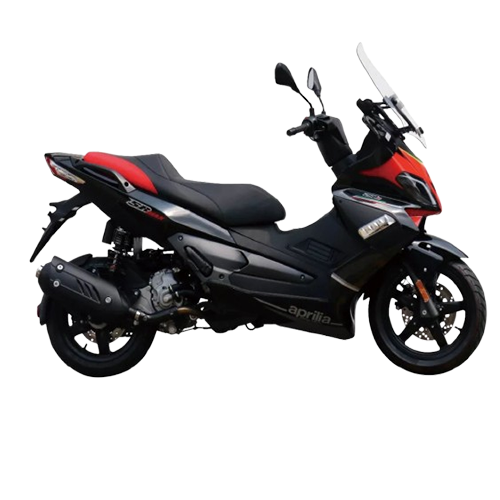
If you manage products for a regional distributor or an aftermarket brand, you already know the hardest part of building a winning shock program isn’t picking spring colors—it’s aligning engineering reality with SKU plans, validation data, and dependable lead times. This best-practice guide shows how to specify and source custom motorcycle shock absorbers for Harley-Davidson touring/bagger and Aprilia sport platforms through OEM/ODM development, backed by dyno and track validation and underpinned by automotive-grade quality systems.