

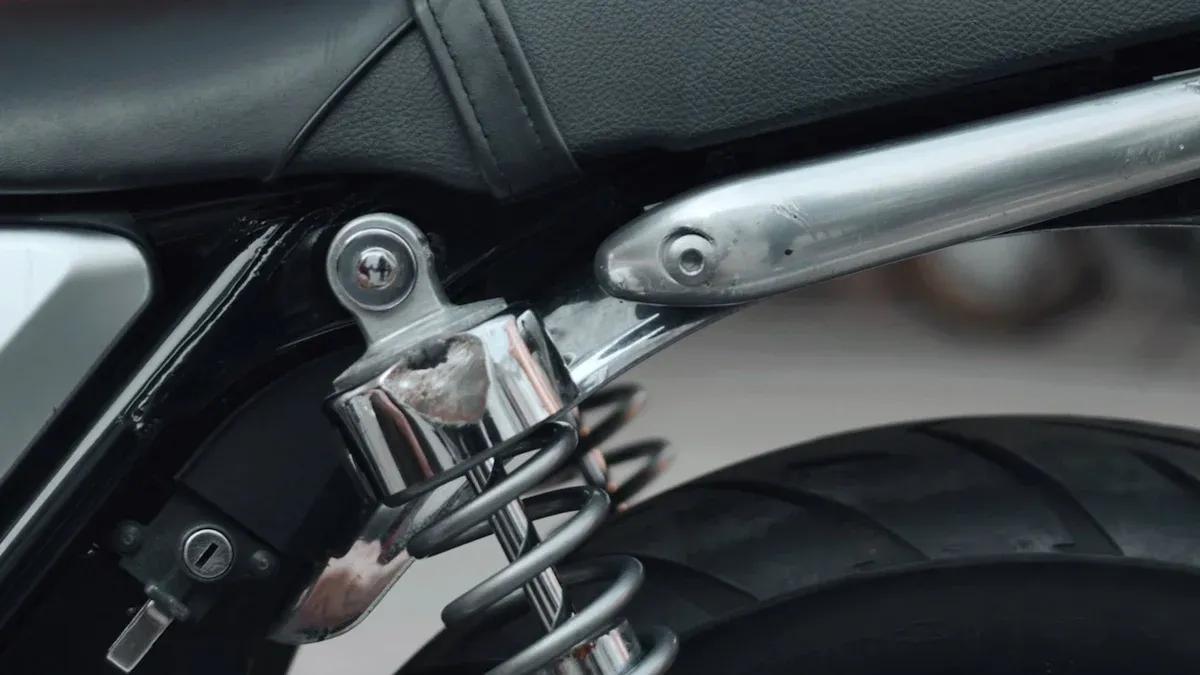
Understanding the differences between entry-level and performance rear shocks is very important for your product development plan. The cycling industry is changing quickly. You have a rising demand for products that fit different types of customers.
Customers now want better suspension technologies that improve ride quality and last longer.
Makers are using strong and light materials to meet these needs.
Smart suspension systems that change damping based on the terrain are becoming popular in performance products.
This information will help you with your marketing plans and make sure your products match what the market wants.
Key Takeaways
Know what different riders need. Casual riders like simple and cheap shocks. Enthusiasts and racers want better performance and options to adjust.
Entry-level shocks are affordable and easy to use. They work well for beginners and casual cyclists on smooth paths.
Performance shocks have special features like adjustability and customization. These are important for serious cyclists who want great handling and control.
Prices are very different. Entry-level shocks cost $30 to $150. Performance models can cost $200 to $1,000 because of their advanced technology.
Focus on talking to customers. Change marketing plans to fit the needs of each rider group. This will help increase satisfaction and sales.
Market Segments
Casual Riders
Casual riders want simple and reliable rear shocks. They like fixed shocks because they are easy to use and cost less. Here are some important points about what they like:
Basic Functionality: Casual riders choose standard shock absorbers for daily rides.
Affordability: Fixed shocks fit their budget, making them popular.
Ease of Use: These riders usually ride on smooth roads, so they don’t need fancy features.
Enthusiasts
Cycling enthusiasts expect more from their rear shocks. They care about performance and adjustability to improve their rides. Think about these points:
Performance: Enthusiasts want parts that perform well.
Adjustability: They like to change compression and rebound settings for a better ride.
Durability: Strong construction is important for lasting use on different terrains.
Cost-Effectiveness: They look for a good mix of performance and price.
Professional Racers
Professional racers need the best performance from their rear shocks. Their needs are specific and very important for winning races. Here’s what you should know:
Load Transfer Management: Dampers affect how weight shifts when braking and speeding up.
Stability and Control: Predictable vehicle behavior is key for good handling.
Quick Response: Good tire grip and fast reactions are crucial for racing.
Adjustable Settings: Changing shock settings based on track conditions is very important.
Knowing these market segments helps you create rear shocks that fit your customers’ needs. By matching your products to what they want, you can improve customer satisfaction and boost sales.
Entry-Level Rear Shocks
Features and Benefits
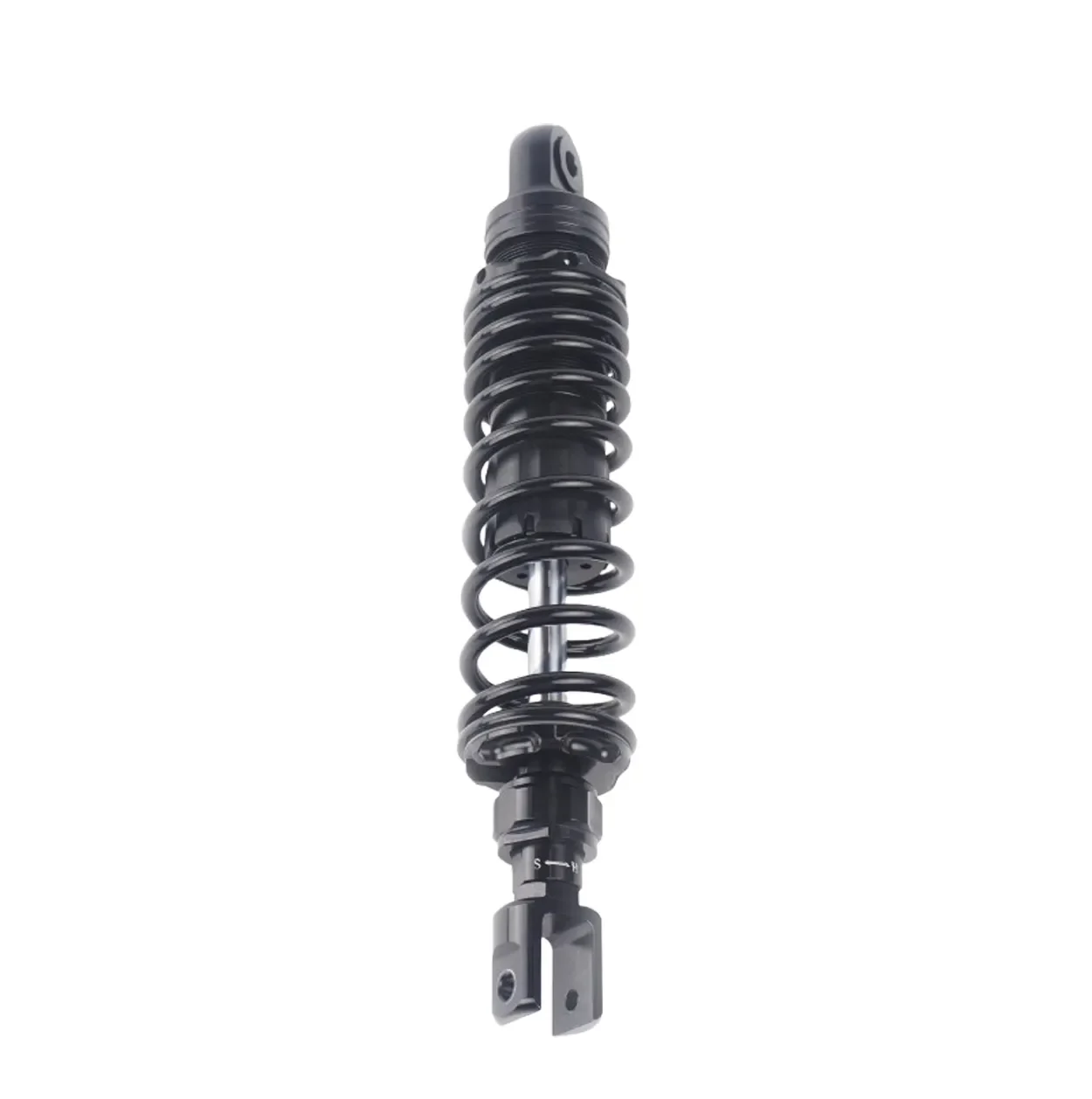
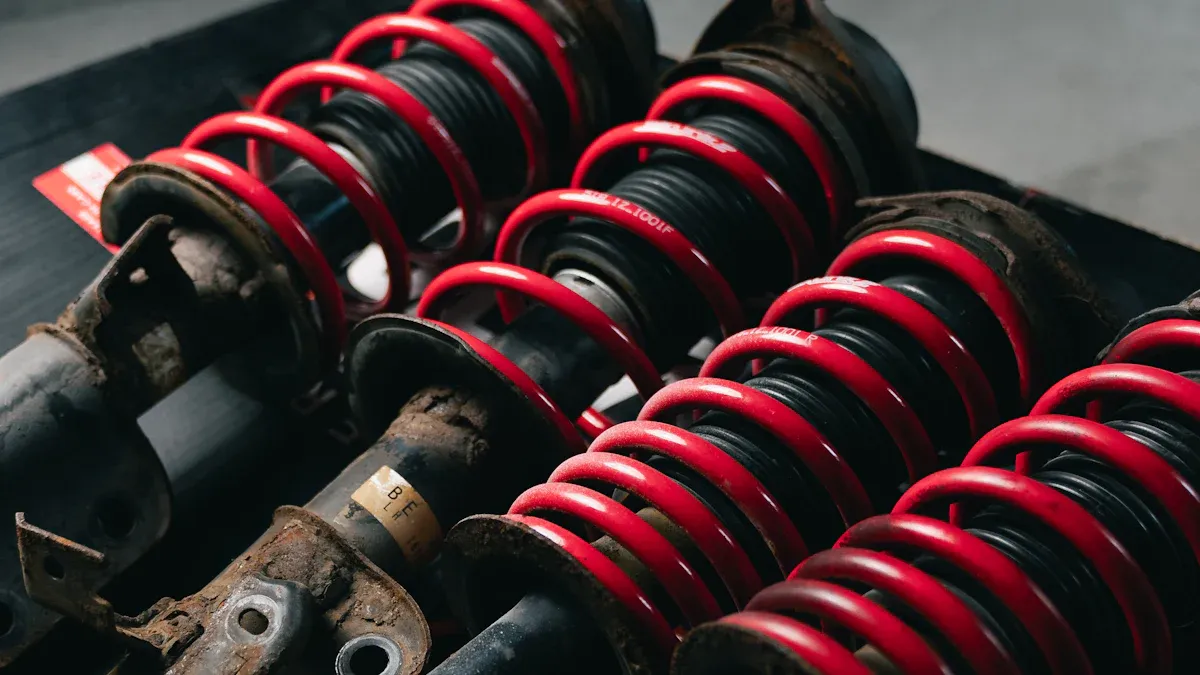
Entry-level rear shocks are made for beginner cyclists and casual riders. They have important features that improve ride quality and safety. Here are some common features in these models:
Feature | Description | Benefits |
|---|---|---|
Hydraulic Damping | Controls how the shock rebounds after bumps, which is key for stability. | Helps all riders keep control of their bikes during rides. |
Two-Position Lockout | Makes the shock firmer for better pedaling, especially when climbing. | Assists riders on smooth climbs to stay efficient and keep bike balance. |
These features help create a smoother ride and better handling. This means you can enjoy more grip and control, especially on bumpy paths. This is very important for keeping traction on roots and rocks, which can be tough for new riders.
Target Audience
The main audience for entry-level rear shocks includes:
Beginner Cyclists: New riders looking for reliable and affordable choices.
Casual Riders: People who ride sometimes and want simple options over complex features.
Budget-Conscious Consumers: Those wanting good value without losing quality.
These riders appreciate easy use and low prices. They want a product that makes their ride better without confusing them with many adjustments.
Pricing Strategy
For pricing, entry-level rear shock absorbers usually cost between $30 to $150 each, based on the brand and quality. Here are some important pricing details:
Standard Twin-Tube or Monotube Shocks: Cost between $72 to $144 each.
Electronic or Air Shocks: Can be $300 to $1,000 or more, but these are not aimed at entry-level users.
To market these products well, think about these strategies:
Personalized Customer Engagement: Encourage customers to shop based on their needs, giving them tailored product ideas.
Hands-On Experience: Let customers try vehicles with performance shocks to feel the difference, making it easier to sell.
Bundling Products: Offer shocks with related upgrades to add value and profit.
Education and Demonstration: Use videos and demos to show product benefits and features.
Proactive Consultations: Train sales teams to spot upgrade chances and explain the benefits of better damping and control.
By using these strategies, you can attract more customers and boost sales in the entry-level market segment.
Performance Rear Shocks
Features and Benefits
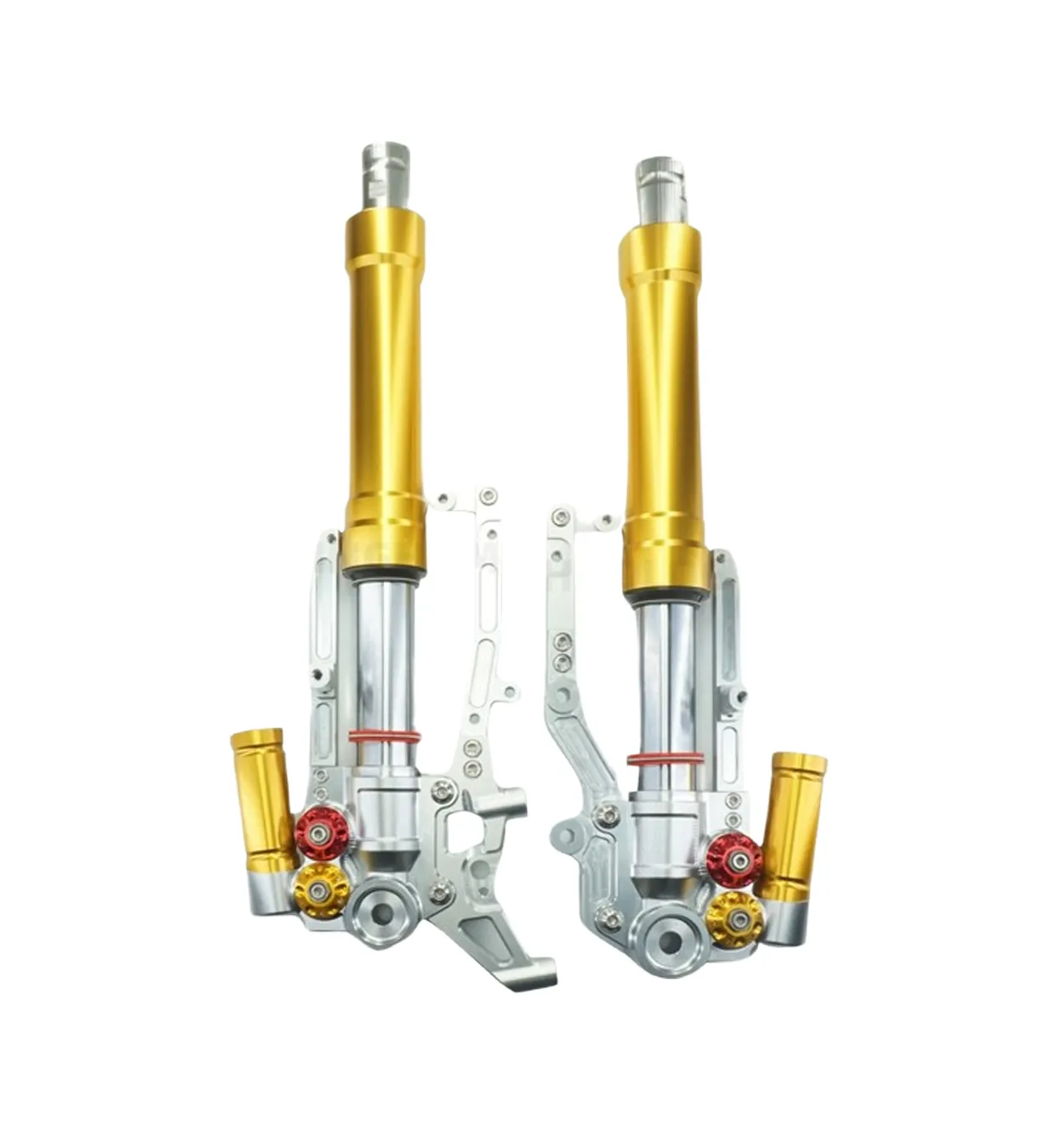
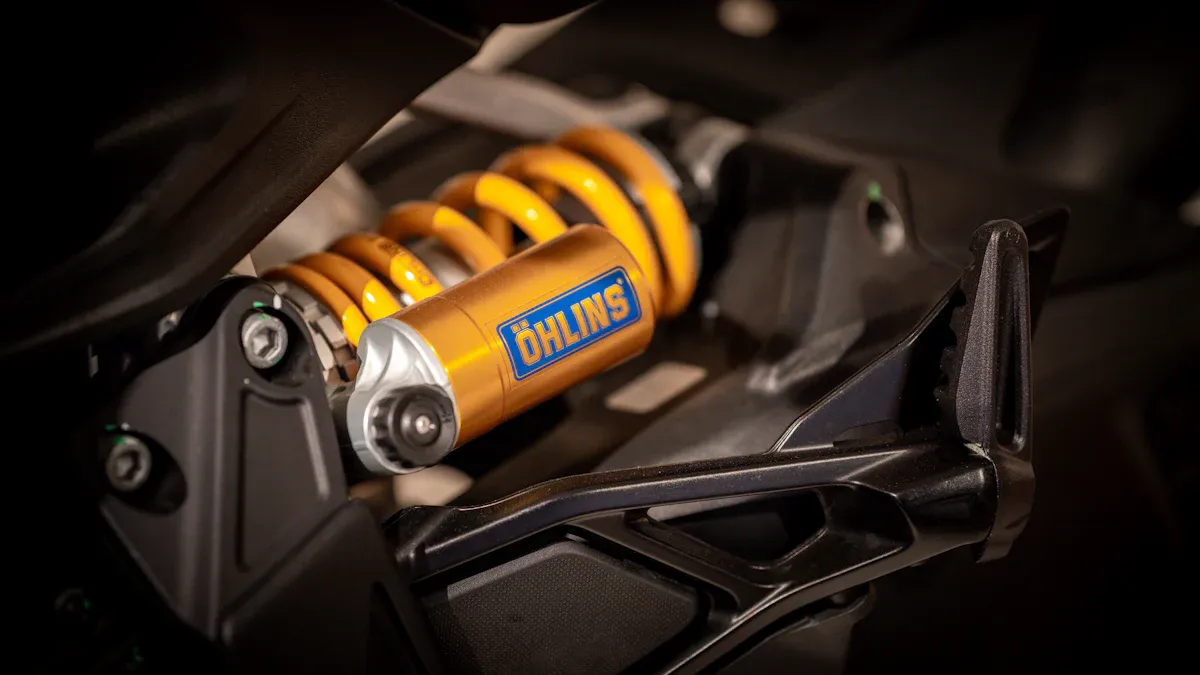
Performance rear shocks have special features that greatly improve your ride. These shocks are made for serious riders who want the best gear. Here are some important features that make performance rear shocks different from entry-level ones:
Feature | Entry-Level Shocks | |
|---|---|---|
Adjustability | Many options (preload, compression, rebound) | Usually none |
Design Type | Monotube for better heat control and damping | Twin-tube |
Customization | High level of tuning for different conditions | Limited or no customization |
These features help you adjust your suspension for different terrains and riding styles. For example, the adjustability of performance shocks lets you change settings based on your likes or track conditions. This customization leads to better handling and stability, which is very important for racing.
Performance rear shocks also use new technologies that make them work better. For instance, the DebonAir+ air spring has a dual air can design. This lets you customize the air spring based on leverage rate and ride style. Plus, the adjustable hydraulic bottom-out system stops harsh impacts, making your ride more comfortable without losing performance.
Target Audience
The audience for performance rear shocks usually includes:
Serious Cyclists: Riders who take part in races or off-road adventures.
Performance Enthusiasts: People who want to boost their vehicle’s abilities and overall performance.
Budget-Conscious Upgraders: Buyers who focus on performance upgrades over time, often making partial purchases because of money limits.
These buyers often love off-roading and want to improve their vehicle’s abilities. They know the value of spending on high-quality parts that make their ride better.
Pricing Strategy
For pricing, performance rear shocks usually cost more because of their advanced features and technology. You can expect to pay between $200 to $1,000 for these models, depending on the brand and features. Here are some pricing details:
High-End Models: These can cost between $600 to $1,000, offering the latest technology and maximum adjustability.
Mid-Range Options: Usually priced between $300 to $600, these models give a good mix of performance and cost.
Entry-Level Performance Shocks: While still performance models, these may start around $200 and have basic features for enthusiasts.
To market these products well, think about these strategies:
Highlighting Performance Benefits: Use reviews and data to show how performance rear shocks improve handling and reduce rider tiredness.
Offering Financing Options: This can help make high-end models easier to buy for budget-conscious customers.
Creating Bundles: Pair performance shocks with other upgrades to add more value.
By knowing the features, target audience, and pricing strategies for performance rear shocks, you can better place your products in the market and meet the needs of serious riders.
Comparison of Entry-Level vs Performance
Features Comparison
When you look at entry-level and performance rear shocks, you see clear differences in features. Here’s a simple breakdown:
Feature | Performance Rear Shocks | |
|---|---|---|
Adjustability | Limited or none | Many options for fine-tuning |
Design Type | Twin-tube for basic use | Monotube for better heat control |
Customization | Few customization choices | Lots of customization available |
Entry-level shocks focus on basic use. They work well for normal conditions but don’t have adjustability. On the other hand, performance rear shocks have advanced features. You can change settings based on your riding style and conditions. This flexibility is very important for serious riders.
Benefits Comparison
The benefits of each type of shock are quite different. Here’s what you can expect:
Entry-Level Shocks:
Made for average conditions.
Offer basic stability and comfort.
Affordable for daily riders.
Performance Rear Shocks:
Have advanced features for better performance.
Let you fine-tune based on rider needs.
Improve handling and comfort, especially for serious cyclists.
Riders who enjoy leisurely rides care about comfort. Those on track days want sporty handling and feedback. Performance shocks let you adjust settings for the best performance.
Pricing Comparison
Pricing also varies between these two types. Here’s a quick overview:
Category | Price Range | Features |
|---|---|---|
Entry-Level | ~$60 – $150 | Basic use, improved stability |
Mid-Range | ~$300 – $600 | Adjustable settings for custom performance |
Premium | ~$600 – $1,000 | Advanced features like remote adjustability |
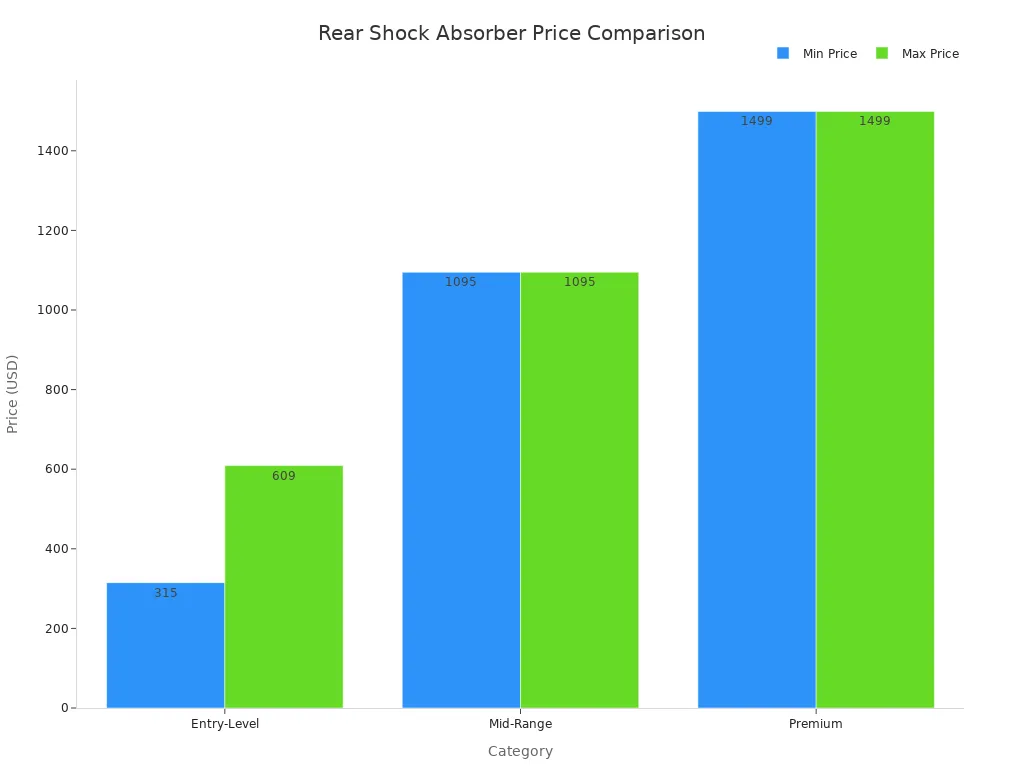
Premium shock absorbers explain their higher prices by offering better safety, comfort, and durability. While budget options may seem cheap at first, they often need replacing often. In contrast, performance shocks give better control, making them a smart long-term choice.
Kingham‘s rear shock absorbers are great in both categories. They mix quality materials with advanced engineering. This ensures durability and performance, serving both casual riders and serious enthusiasts.
Matching your rear shock products to the needs of different groups is very important. Knowing what customers want can really help you succeed. Here are some important things to think about:
It’s important to focus on what customers need, not just making money.
Giving suggestions based on how customers use products makes them happier and more loyal.
Customers always want good quality and options for customization in rear shocks.
Key Findings | Implications |
|---|---|
Make sure your products keep up with new technology. | |
More variety in product types across segments | Adjust products to fit specific groups for better results. |
By understanding these points, you can make products that connect with your customers, improving both performance and loyalty.
FAQ
What are the main differences between entry-level and performance rear shocks?
Entry-level shocks are simple and cheap. Performance shocks have advanced features like adjustability and customization. These are for serious riders who want better performance.
How do I know which rear shock is right for me?
Think about how you ride and your skill level. Casual riders should pick entry-level shocks. Enthusiasts and racers need performance models for better handling and adjustability.
Can I install rear shocks myself?
Yes, many rear shocks come with guides for installation. But if you are not sure, ask a professional mechanic to help. This ensures safe and correct installation.
How often should I replace my rear shocks?
Check your rear shocks often. Replace them every 2-3 years or sooner if you see less performance, leaks, or strange noises while riding.
Do performance rear shocks require more maintenance?
Yes, performance shocks usually need more maintenance because of their advanced features. Regular checks and adjustments keep them working well and lasting longer.