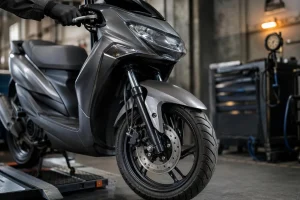
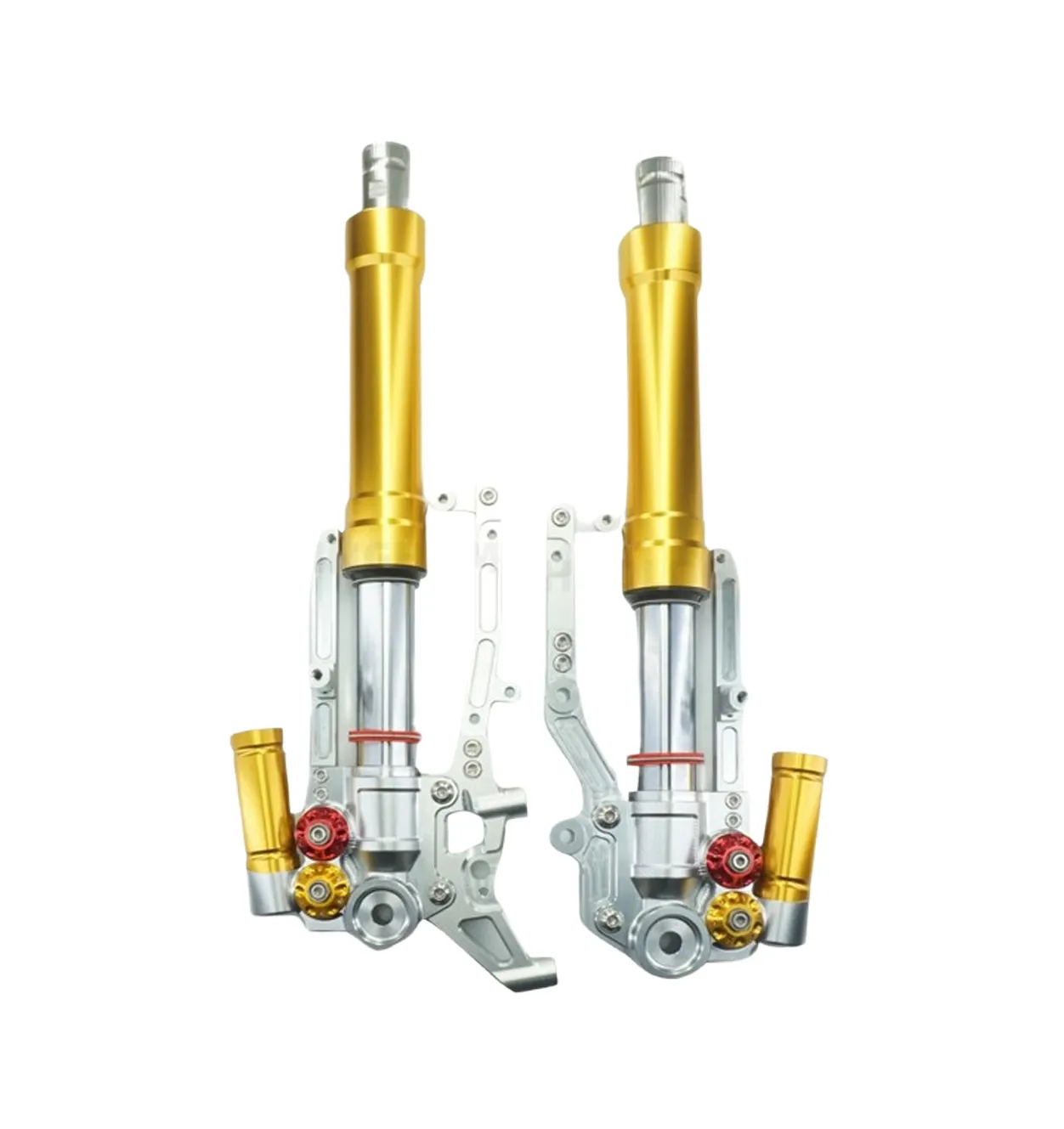
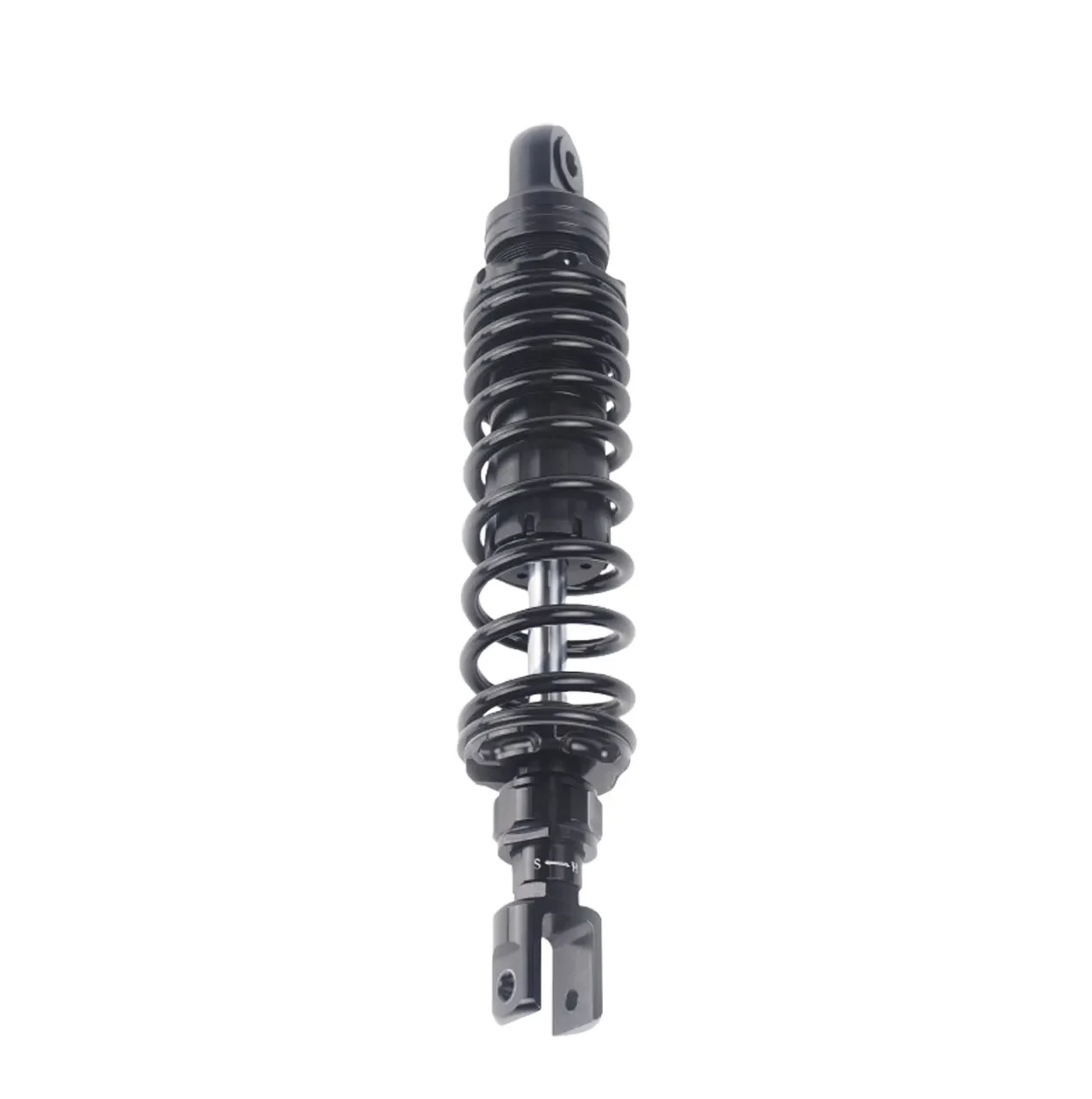
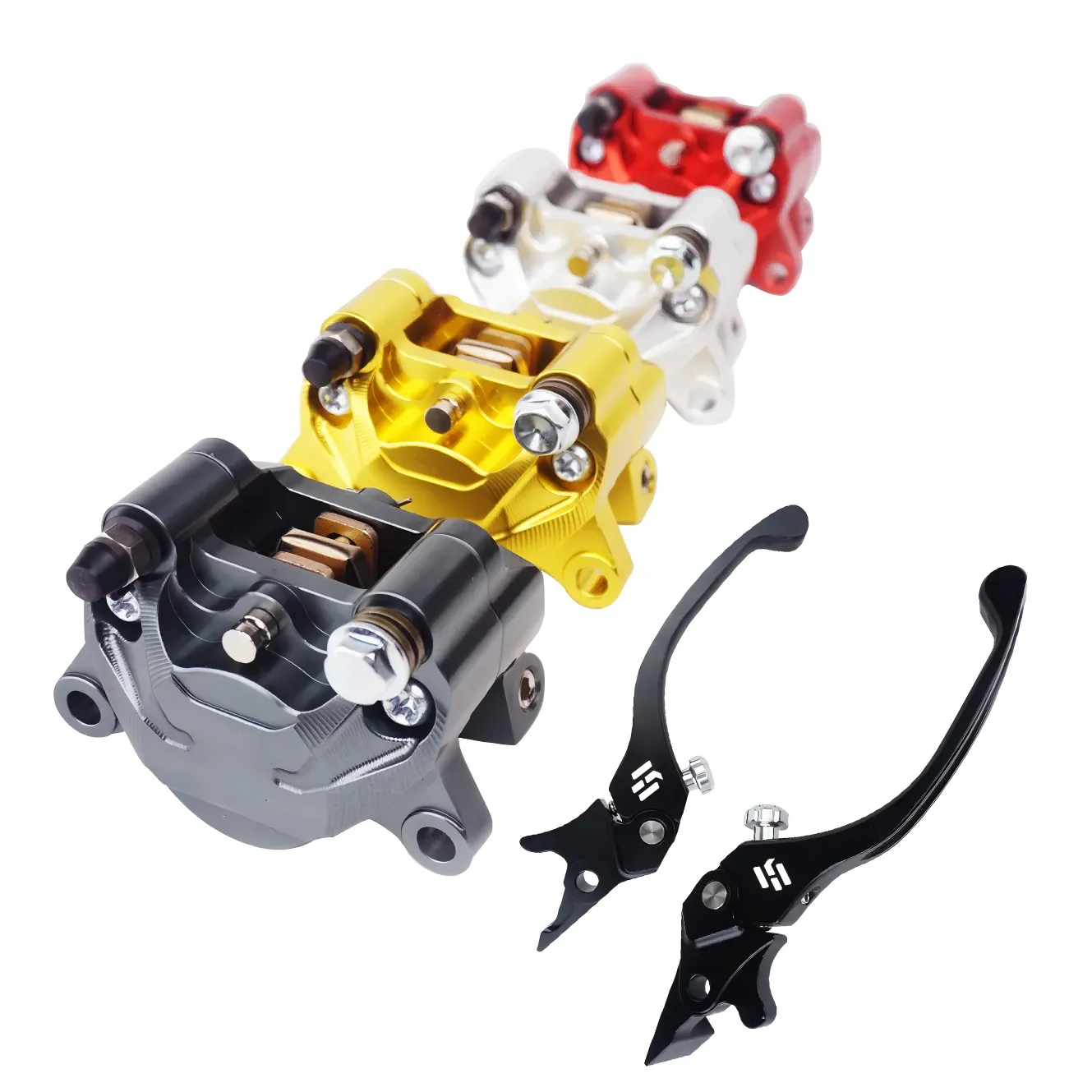


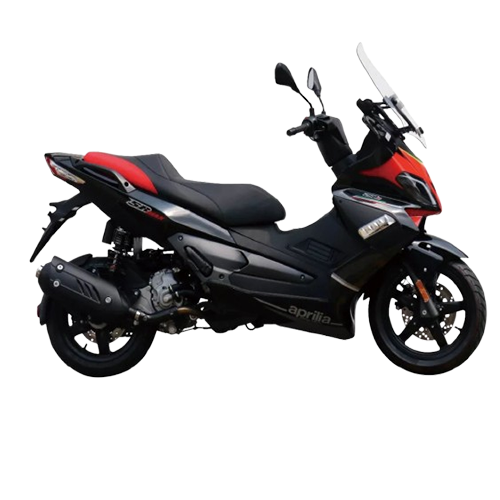
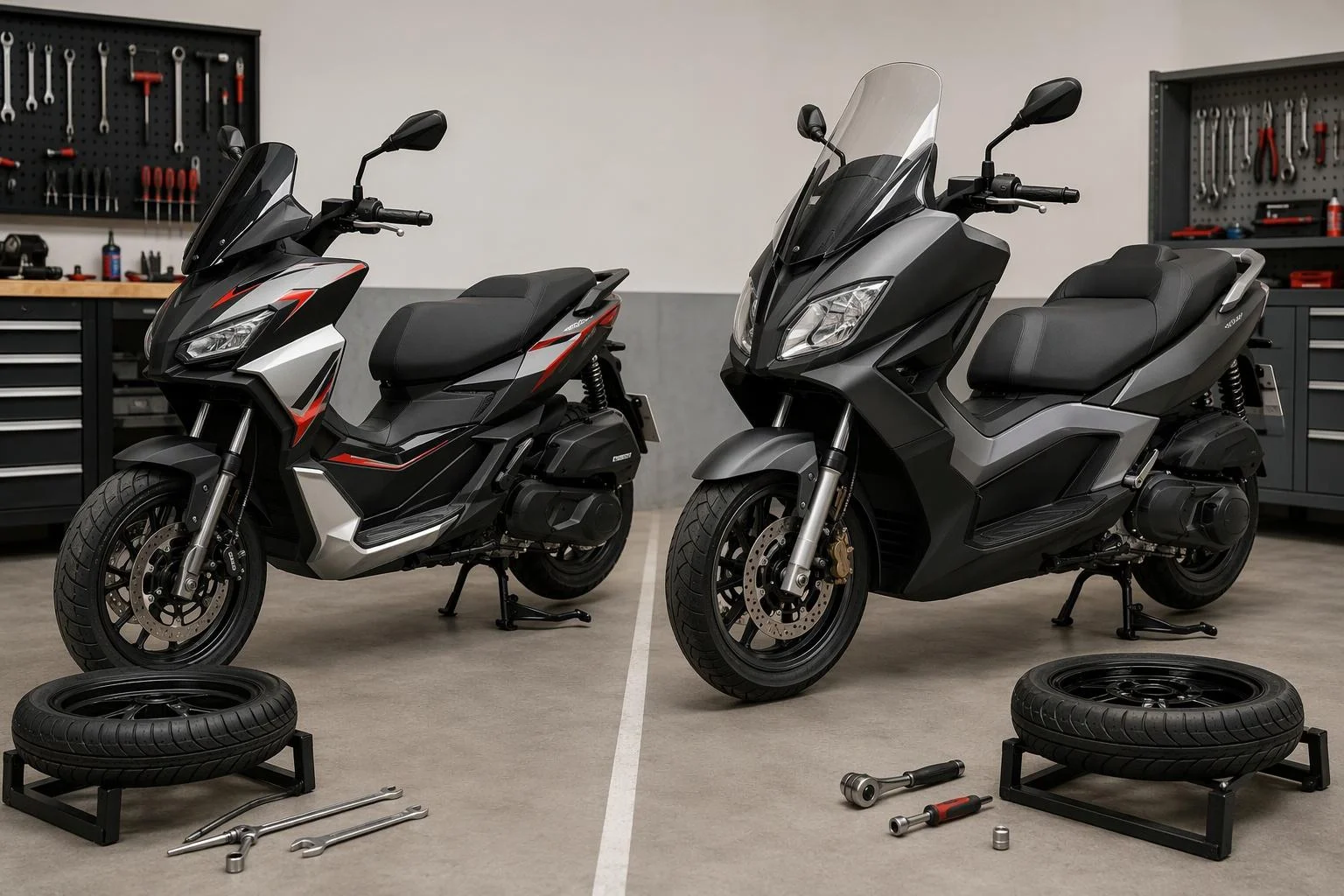
Two Aprilia scooters, two completely different suspension briefs. Aprilia bills the SR GT as its first “urban adventure” scooter, built around long-travel suspension and raised ground clearance for cobblestones, tram lines and broken asphalt (Piaggio Group). The SR MAX asks for something else: grand-touring composure at speed, not rough-road confidence.
If you distribute Aprilia scooters, that gap matters more than any part number. You’re not sourcing one “Aprilia suspension” — you’re sourcing two, and a part picked for the wrong model path won’t be rescued by preload adjustment. We keep fitment general on purpose; anything model-specific belongs in a written confirmation from the supplier, not in an assumption.
SR GT 200 vs SR MAX 250 — what differs
Start from the role each scooter plays in your catalog, then work back to suspension. In our own Aprilia program, the SR GT is an urban crossover that needs confidence on broken roads and controlled pitch under braking. The SR MAX is a premium GT maxi-scooter, where buyers pay for high-speed stability, heat and fade control over long rides, and a refined feel. Different engineering targets, different conversations with the supplier.
The SR GT 200 path. Aprilia’s own material describes the SR GT’s chassis as a double-cradle steel frame paired with long-travel suspension developed specifically for the model, aimed at improving control over holes and uneven surfaces (Piaggio Group). The design intent is compliance: the suspension is meant to keep the tyre in contact with a rough surface rather than transmit every irregularity to the rider. For a dealer, that means the SR GT path is evaluated on how the front and rear behave over small, rapid inputs — the chatter and skip that show up on unpaved roads and patched city asphalt — and on whether the chassis stays composed under braking. A crossover that dives hard or skips offline on a rough surface has failed its brief even if it feels fine on smooth tarmac.
The SR MAX 250 path. The SR MAX line is a grand-touring proposition. Aprilia’s own SR MAX press material describes large-scooter suspension with a traditional telescopic fork up front and a pair of rear shock absorbers with adjustable spring preload, tuned to balance the vehicle (Piaggio Group SR MAX press file). That document covers the 125 and 300 versions, so treat it as the platform’s design logic rather than a 250 spec sheet. What you care about shifts from rough-road compliance to sustained stability: how the scooter tracks at cruising speed, how the damping holds up as components heat on a long ride, and whether the ride still feels premium after an hour, not just five minutes.
Look for travel management and pitch control on the SR GT, and damping consistency over distance on the SR MAX. Treat both as screening criteria rather than specifications: they tell you which questions to put to the supplier. Keep the two paths separate in your catalog, your fitment requests and your dealer training — a merged “Aprilia scooter” recommendation hides exactly the distinction the customer is paying for.
Urban and light adventure use: how to choose by use
Model choice narrows the field; use decides the setup. In the European and Southeast Asian channels we work in, three rider profiles cover most of what an Aprilia scooter actually does, and each weights the adjustments differently.
Daily city riding. Short trips, frequent stops, low average speed, and a road surface that alternates between smooth asphalt and whatever the utility crews left behind. Here the priorities are small-bump compliance and controlled pitch under repeated braking. The rider notices harshness and dive far more than outright grip, because the bike is rarely pushed hard. A setup that is too firm for this profile reads as uncomfortable; a setup that is too soft bottoms out on the first deep pothole. What you want is a suspension that uses its travel over small inputs and still has margin left for the occasional large one.
Longer rides. Distance changes the problem. Sustained load keeps the suspension working deeper in its stroke for hours, and heat builds in the damper, which can shift damping behaviour as the ride goes on. Our analysis of why motorcycles feel unstable with a passenger and luggage walks through the mechanism: added mass and a rear-biased centre of gravity consume travel and change the damper’s working regime, so a platform that feels planted solo can turn vague once a passenger and luggage are aboard. For the SR MAX especially, the question isn’t whether the scooter feels good in the first ten minutes but whether it still feels composed in the second hour. Damping consistency over temperature and a setup that holds ride height under a steady load matter more here than initial plushness.
Rougher roads and light adventure. This is the SR GT’s home ground. The priorities are travel management and rebound control: the suspension needs enough travel to absorb repeated irregular inputs and enough rebound damping to stop the wheel skipping after each one. If rebound is too fast, the wheel returns past its resting point and the tyre loses contact; if it is too slow, the suspension packs down over a series of bumps. Both failure modes show up as a loss of confidence on exactly the surfaces the crossover was built for.
How the three adjustments map onto these profiles. Preload changes ride height and sag, not spring rate — dealers often reach for it as a stiffness control when the real problem is a spring too soft for the loaded duty cycle. Rebound sets how fast the suspension returns after a compression; compression sets how firmly it resists being compressed. Guide 08 on front fork tuning (preload, rebound and compression) covers how the three work together and the order to adjust them. Read it before you set up a demo bike, and use the same terms when you brief a customer.
Then ask the buyer which profile describes most of their riding and weight the setup toward it, keeping enough range to cover the rest. A city rider who takes the occasional longer trip needs a compliant base setup with preload margin for a passenger — not a touring setup dialled in for a trip they take twice a year.
Setup checklist before delivery
A good suspension and a good delivery are usually separated by paperwork. Before a bike goes to the customer, put these six questions to the supplier, by model, in writing. Each one is a question, not an assumption — and if you’re still screening suppliers, apply the same discipline when you evaluate a motorcycle shock absorber manufacturer.
1. Model year and variant. Confirm the exact model year and variant the suspension is intended for. Ask the supplier to state the model years their fitment covers instead of accepting a platform-level “fits SR GT” claim. A part confirmed for one year is not automatically confirmed for the next, and the SR GT range has been revised since its launch.
2. Load case. Tell the supplier how the bike will actually be used: solo city riding, regular two-up, luggage, or a mix. Load changes sag and the energy the damper has to control per event, so a setup validated for a solo rider may be marginal once a passenger is aboard. Ask what load case the recommended setup was specified for.
3. Accessories and added weight. Top boxes, screens, hand guards and other accessories change the mass and its distribution. Aprilia lists a larger windscreen with hand guards and a top box among the SR GT accessories, so if the customer is buying a scooter with either, say so before the suspension is specified, not after.
4. Adjustment range. Confirm which adjustments the product offers — preload only, or preload plus rebound and compression — and the range of each. In our Aprilia program, the Performance and Premium tiers carry adjustable damping, while the Essential tier is a durable OE-plus replacement. Match the tier to the use profile: a city commuter is usually well served by Essential, while a rider covering long distances on an SR MAX is the natural buyer for adjustable damping.
5. Documentation and validation evidence. Ask what the supplier can provide: fitment confirmation by model year, a specification sheet, and any dyno or test data relevant to the product. For OEM and key aftermarket lines, we can share shock dyno curves, fatigue test data and road test results, scoped to the project. Having that documentation on file protects the dealer if a customer reports a problem later.
6. Installation and setup guidance. Confirm what setup guidance comes with the product — baseline settings, a recommended adjustment procedure, and who to contact if the delivered setup does not match the customer’s use. A suspension that arrives without setup guidance shifts the tuning work onto the dealer’s workshop, which is fine if the workshop is equipped for it and a problem if it is not.
Why fitment stays general until confirmed. Travel numbers and fitment details vary by market and revision, and a dealer who publishes an unverified fitment claim owns the consequences. Stay general in your catalog and marketing — “SR GT” and “SR MAX” as platform families — and put the specifics in the supplier’s written reply. That’s why you won’t find a fitment table here: the authoritative version is the one your supplier signs off for your market.
Consult an Aprilia fitment solution by model
The decision runs in a fixed order. Choose the model path first — SR GT for crossover compliance, SR MAX for GT stability — then choose by use, then run the pre-delivery checklist. Only after that should the bike go to the customer.
The mistake to avoid is collapsing the two models into one recommendation. They’re different engineering briefs, sold to different riders, and your suspension choice should say so from the first conversation to the final setup check.
If you’re planning an Aprilia suspension program for your market, start with a fitment conversation by model. Send us your platform mix, model years and target use, and ask for fitment and specification confirmation on the SR GT and SR MAX platforms you carry. If you do that before you commit to stock, we can confirm what fits your market and what documentation ships with it.