

A distributor with a long-established motorcycle parts business starts getting asked about ATV and UTV shocks. No one asks for a model number, no one puts a quantity on it, and behind every enquiry sits one question: is this worth putting money into stock?
We build suspension, so we usually meet that question from the supply side, once the distributor has already answered it. The thinking that comes before the answer is what distributors describe to us afterwards. This is a representative case, assembled from those conversations rather than traced to one customer, and it has no figures in it, because how he worked through the question matters more than what he eventually sold.
He had spent years managing motorcycle parts. He knew which models kept coming back to the workshop, which suspension references actually sold as replacements, and how fast his stock turned. When a customer asked for a part, he almost always knew which model was meant and which reference would answer the need. ATV/UTV was the first request in a long time that left him without an answer.
Ordering a handful of references just to see what happens sounds like the cheap option. It usually turns out to be the expensive one, because you pay twice: once in dead stock, and again in the second order you cannot justify. Years of motorcycle parts had taught him a habit he couldn’t switch off. You don’t fill a shelf because someone asked a question. You fill it once you have a rough idea of who will come and buy.
So he treated it as an investigation rather than an opportunity, and every enquiry went into the same notebook with whatever detail came with it: the machine, the use, the problem. What he wanted before ordering anything was a way to tell whether those requests had a pattern behind them, and whether he could name the customers well enough to buy for them. Until he could, the answer was to wait.
Why ATV/UTV Requests Were Harder to Judge
His first attempt was to sort the requests by country or by brand, the way he would have sorted motorcycle references. It taught him nothing. Two customers in the same region could want opposite things, and two different brands could overlap on the same use. So he changed axis and listened to what each customer did with the machine on a normal day.
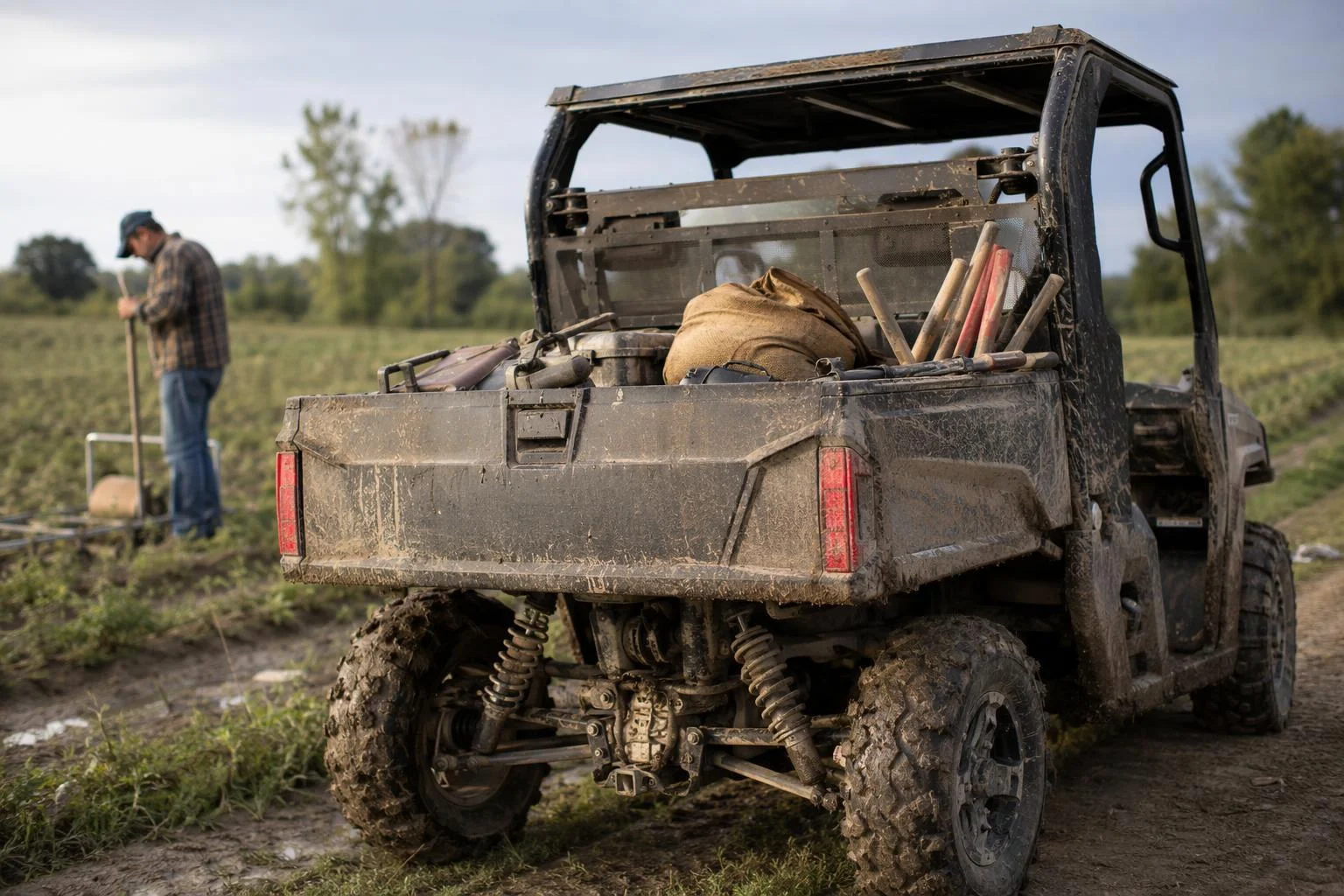
One caller was clearly working with it. Fields, farm tracks, loaded trailers, the same routes repeated from morning to night. What he described was rarely a lack of comfort. It sounded more like fatigue: suspension sagging as the bed fills, the machine bottoming out on the same ruts, the same part coming back a few months later.
Another caller was not working at all. He rode for fun, over one bump after another, and what he wanted was close to the opposite of what the first man needed. Same brand of machine in some cases, a completely different part in mind.
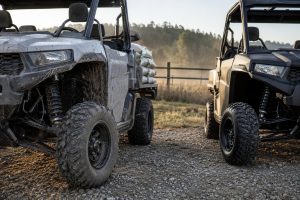
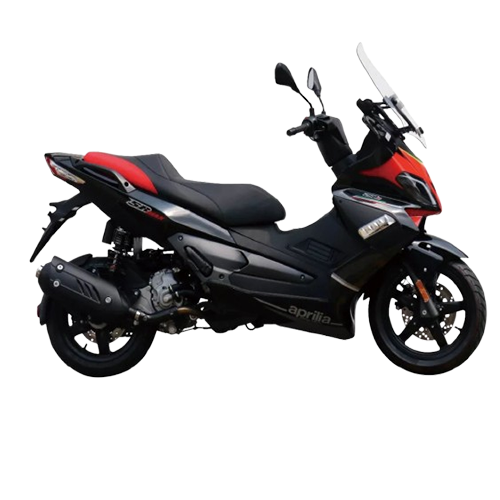
Two conversations were enough to show him that “ATV/UTV” was not one line in a catalogue. An ATV is ridden astride a saddle; a UTV is a side-by-side with a steering wheel and often a cargo bed, which is the distinction the regulatory definition of an ATV turns on. That sounds obvious read out loud, but in his reference file it moved mounting points, travel and loads, and with them the question of whether one reference could cover both.
So he could not buy yet, and now he knew why. The difficulty was not that no product existed. It was that a machine used for work and a machine used for fun could sit under the same category label and still need different parts, while a request for “an ATV shock” told him almost nothing about which one would fit. He was careful not to overread what he had heard, either. One farm user worrying about holding up under load says nothing about every farm user, and a few conversations give patterns worth testing, not an answer.
What he had was narrower than a market: two or three kinds of use, and no way yet to say which of them belonged to his own customers.
Narrowing Down the Products Worth Considering
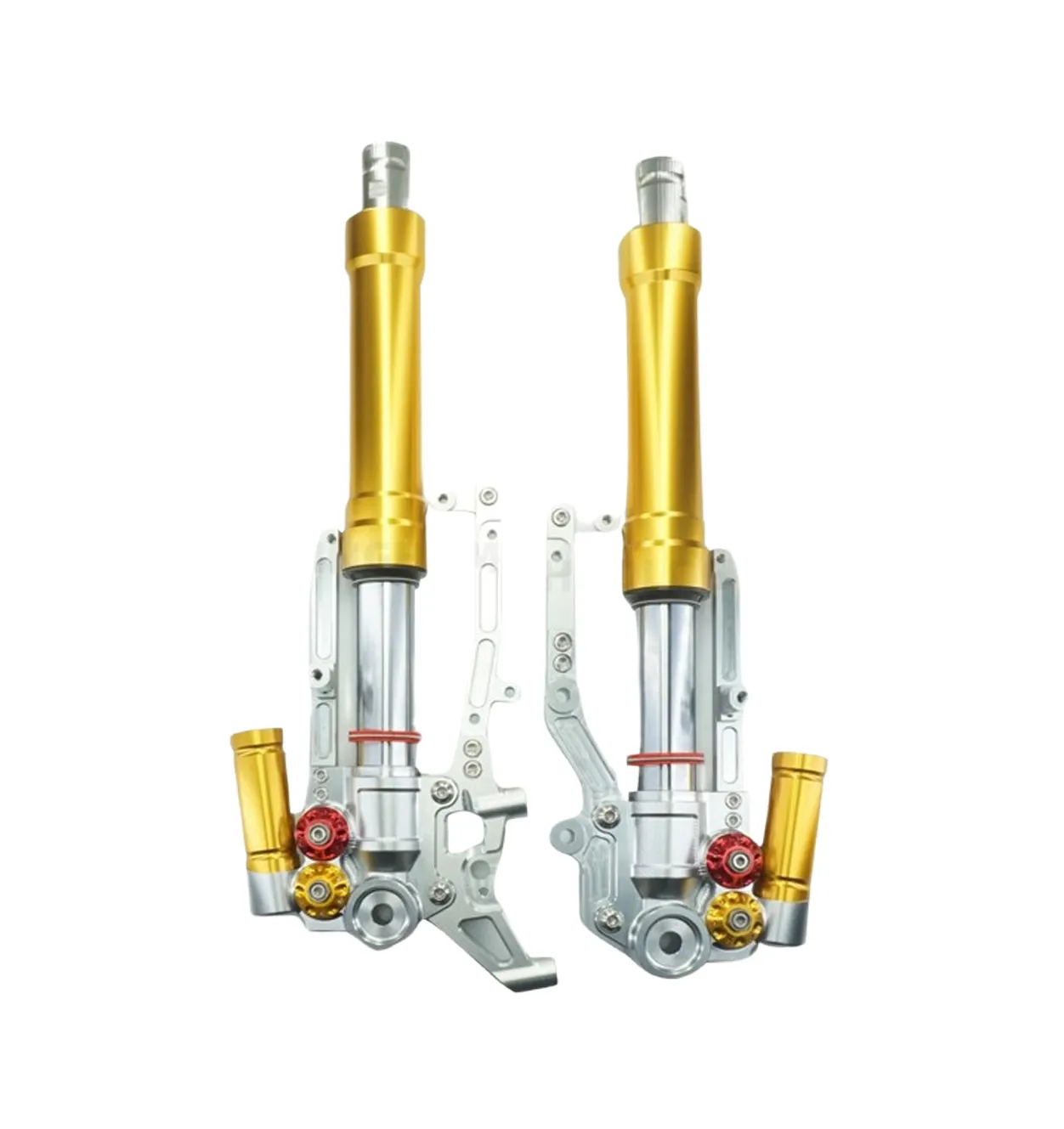
With notes in front of him, the distributor went to a supplier — us, among others — with the obvious question: is there a reference that covers both ATV and UTV? The answer was no, not in the sense he meant. A shock is defined by extended length, compressed length, stroke, and a reference point that depends on the mounting type at each end. A reference only covers a wider range of applications if it matches a specific mounting, and being told a product is universal without that match doesn’t reduce risk. It moves the risk to returns.
That exchange changed the shape of the problem. Instead of asking what he could buy to cover the category, he started from the machines his customers actually had, and asked which of them he could confirm. That is a slower conversation, and it’s the one that matters. Fitment has to be settled per application: model, year, mounting at each end, and how the machine is loaded. A list he can’t support later is worse than a shorter list he can.
The second half of the narrowing happened when he listened to what his own customers were telling him. Asking “are you interested in ATV/UTV shocks?” only produces a polite answer. What told him something was the vehicle and year, what the machine was doing when the problem appeared, and whether the customer wanted a worn part replaced or wanted the machine to behave differently. Two owners of the same model could describe the same machine and still need different setups, depending on how often it ran alone and how often with a full bed.
None of that arrived as a questionnaire. It came in whatever order the conversation allowed, and he noted only what changed his idea of the product to consider. Behind “I need an ATV/UTV suspension” he began to hear two things that behaved very differently: a replacement need on one identifiable platform, and an attempt to change how a machine rides. A repair workshop, meanwhile, met the request now and then rather than regularly.
The trade-off was plain. Every application he added answered one more request and made the list harder to read. So he went against his own reflex and narrowed what he was considering to the platforms that kept coming up in conversation, plus a few options clearly tied to one use. Tier levels, prices and exact references came later. A short list he could follow beat a catalogue he couldn’t explain model by model.
Even that shorter list was not an order. It was the set of applications he was prepared to talk through with a customer without hesitating over model and year, which is a different thing from putting money behind them.
What the Enquiries Had Not Confirmed
Narrowing the list didn’t make the market any clearer. It only made the next question more specific. Some of what he had heard pointed at platforms he could follow up; some pointed at requests he could not yet serve; and a fair amount pointed nowhere, simply because he had spoken to too few people to say.
Those shouldn’t be treated as the same result. A request that repeats across different customers, on a vehicle whose fitment can be checked, gives him something to work with. A scatter of one-off enquiries for one-off models gives him a list of references and no reason to carry them. The awkward middle is usually the largest part: too few conversations, a category nobody has had a fair chance to see, and nothing to base a purchase on yet. Leaving something out of a first range is not the same as concluding the category is dead, and that is the whole argument for keeping the list short enough to review honestly.
So the case does not end with a confirmed entry into the ATV/UTV suspension market, and there is no figure to show for it. The open questions are the honest ones: which platforms justify dedicated stock, which requests stay enquiry by enquiry, and whether the workshops asking now will still be asking next season. The enquiries gave him a reason to keep exploring the category, but not yet enough evidence to justify a stock commitment.
What changed is smaller than that. A customer’s question used to be enough to get him thinking about an order. Now the vehicle, the use and what the customer is actually after come first. He did not become an ATV/UTV specialist. He simply stopped committing stock before he had a reason to.
If you are weighing the same decision, you can look through Kingham’s ATV and UTV suspension range and talk through the vehicle applications and fitment requirements relevant to your market before you plan a first order.