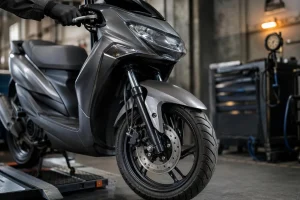


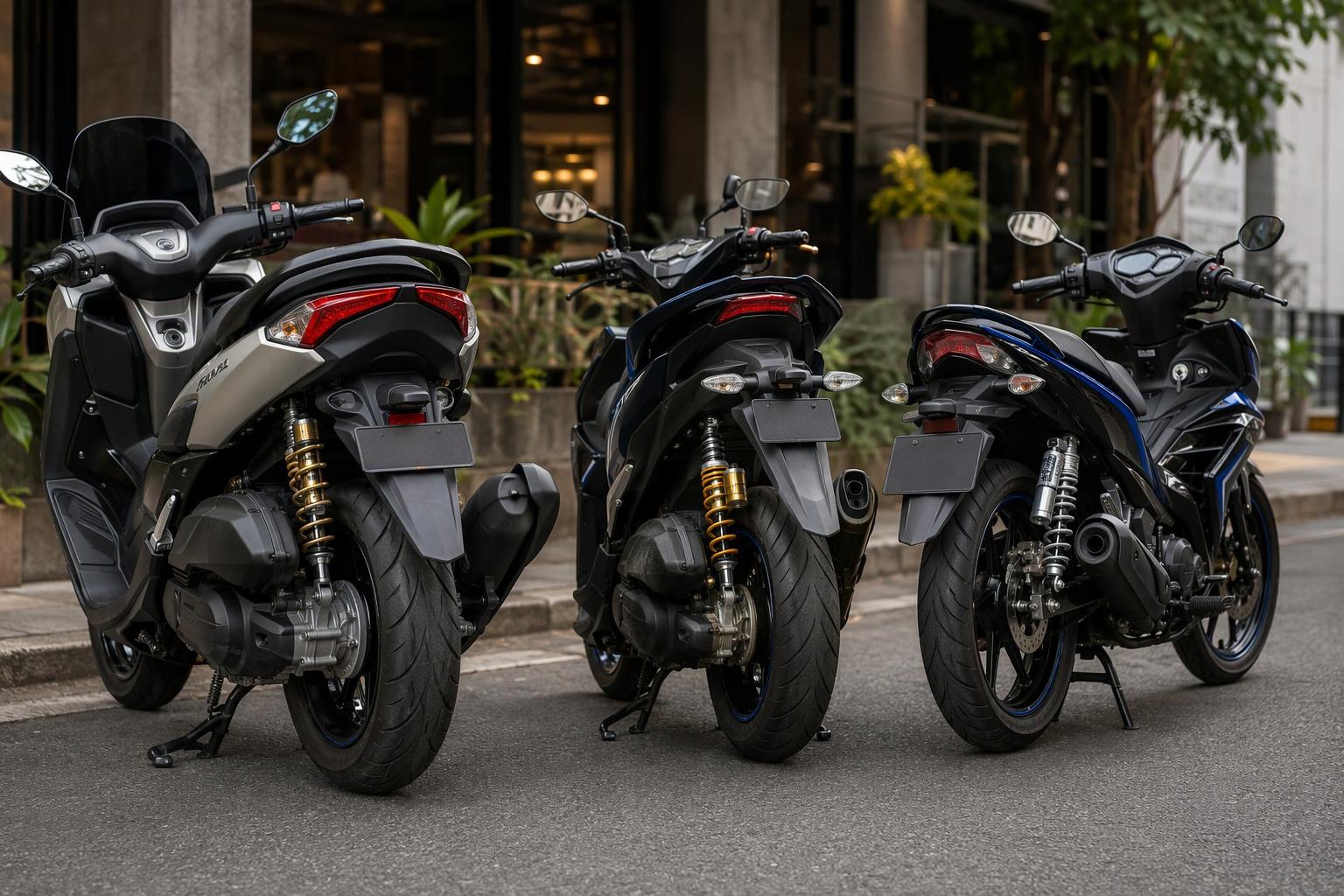
For Yamaha riders across Southeast Asia, the difference after a suspension upgrade rarely shows up on a spec sheet. It shows up in ordinary riding: a bike that stops bouncing two or three bumps after a pothole, stays composed with a passenger aboard, still feels controlled at the end of a hot afternoon.
That felt difference is real, but it isn’t where a buying decision starts. The model comes first. An NMAX, an Aerox and a Y15ZR ask different things of a damper, sit in different suspension layouts and sell to different customers. A shop that starts with the model, narrows by use, then by configuration, and closes with a written fitment check ends up with an assortment it can explain at the counter and defend when a claim comes back.
This guide is for dealers, distributors and tuning shops building a sellable Yamaha suspension program, not for a rider shopping for one part. One caution applies throughout. Fitment, installed length and model-year coverage differ by market and by production year, so confirm them with the supplier for the specific bike rather than reading them off a generic table, and treat any family-level list as the start of that conversation, not the answer. No prices or performance promises here — neither belongs in a decision made before the bike in front of you is identified.
Why Yamaha Stock Suspension Underperforms in Southeast Asian Conditions
A factory damper is calibrated for broad, mixed global use, and that calibration is a compromise by design. Under Southeast Asian duty the compromise becomes visible. Four pressures do most of the work, and none of them requires a number to explain.
Heat. Damping converts motion into heat, and heat raises oil temperature. Viscosity falls as the oil warms, and for flow through a fixed restriction the resulting force falls with it. Damper service literature describes this clearly, and it isn’t a defect. It’s why a damper gets tuned with both a cold and a hot condition in mind. It becomes a complaint when the unit is worked outside the duty it was built for, or when the oil volume is too small to absorb the heat that duty produces. In stop-and-go traffic on hot pavement, with a passenger aboard, a commuter unit can reach that point well before a rider expects it.
Rough and inconsistent surfaces. Patchy asphalt, expansion joints, unpainted speed humps and broken shoulders deliver frequent high-frequency impacts and demand repeated bump recovery. A damper that recovers slowly leaves the chassis still settling when the next input arrives, which the rider reads as vagueness or a floating feeling rather than as a damping problem.
Load. Two-up riding and luggage consume travel the system needs for disturbance absorption, leaving less margin before end-of-stroke behaviour. Once payload pushes the suspension beyond its stable operating range, small road disturbances stop dying out quickly — the mechanism behind the loaded bike that feels planted solo and nervous with a passenger.
Daily high mileage and time. Gas charge is the quiet variable on sealed and monotube units. A nitrogen charge keeps the oil under pressure so that cavitation only begins at a higher shaft speed. That pressure doesn’t last forever: nitrogen is a small molecule and permeates slowly through elastomer seals over years of service — Parker’s white paper on actuator seals describes the same effect in hydraulic systems — or it escapes quickly past a damaged seal. The visible sign is a rod that no longer extends by itself when you compress the unit by hand. The riding sign is loss of control that shows up earlier on rough ground than on smooth roads. Seal condition and general wear follow the same curve.
None of this makes stock suspension defective. It makes the upgrade a conversation about duty cycle rather than about quality — and that conversation is far easier to have once the platform is fixed.
NMAX, Aerox and Y15ZR: What Differs by Model
These three platforms are three separate paths, and the most common program mistake is merging them into one SKU or one tuning story. They differ in suspension layout, in what the rider is buying, and in the objection a counter person will hear, so plan them separately.
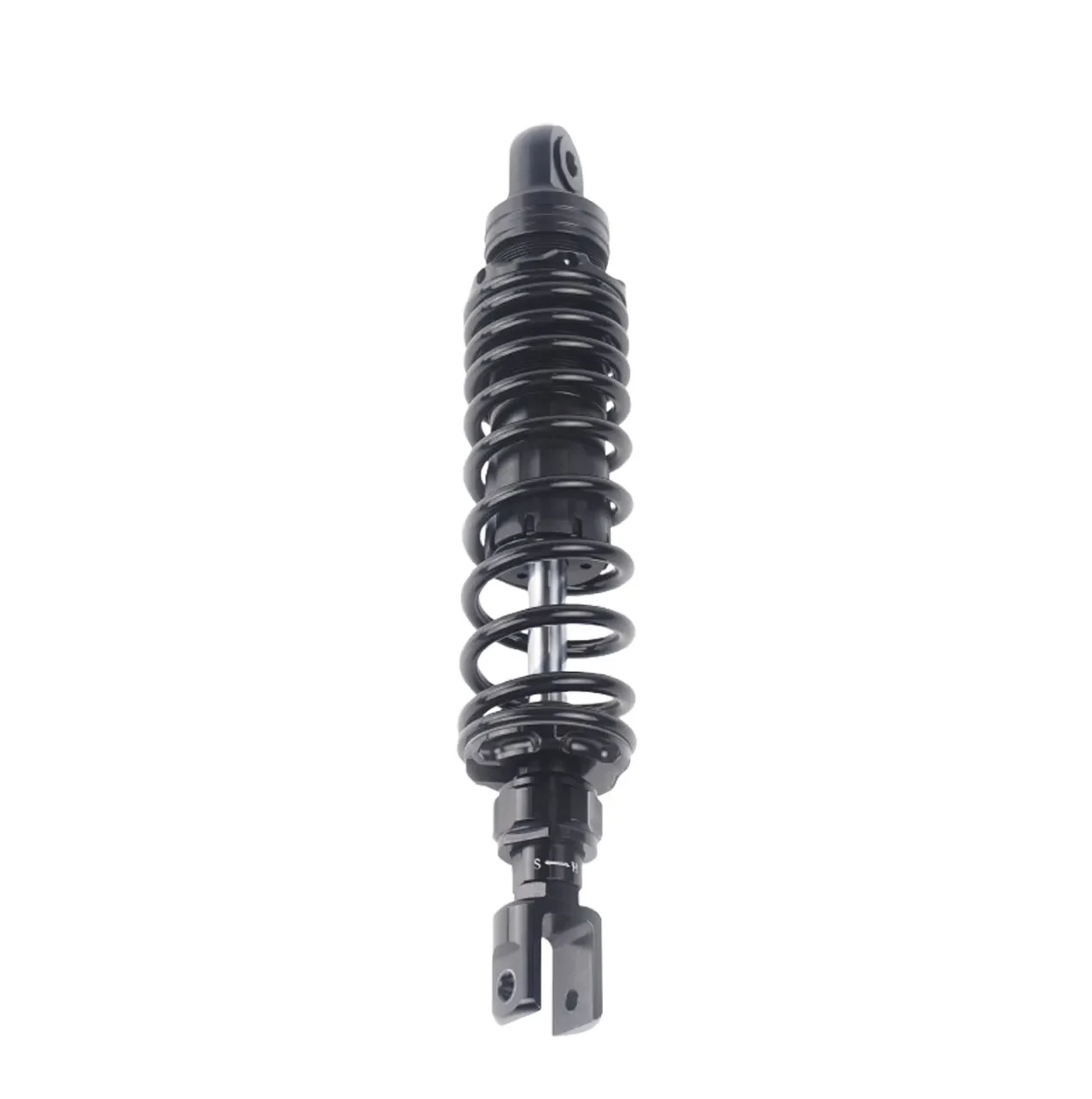
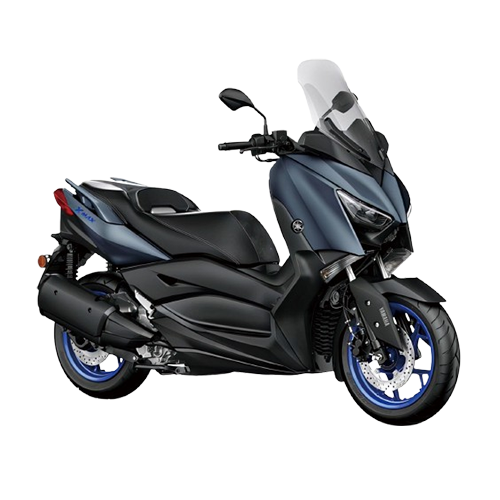
NMAX. A high-volume urban commuter, and the platform most often sold to buyers who carry a passenger. The sellable points are two-up load support, daily bump compliance and stable recovery after repeated bumps — the qualities a commuter notices on the same route every day. Look for a damper specified around the loaded envelope rather than the solo rider, and a spring and preload range that can hold sag with a pillion aboard. The NMAX sits on a scooter unit-swing rear arrangement, so the rear unit carries the load story almost entirely.
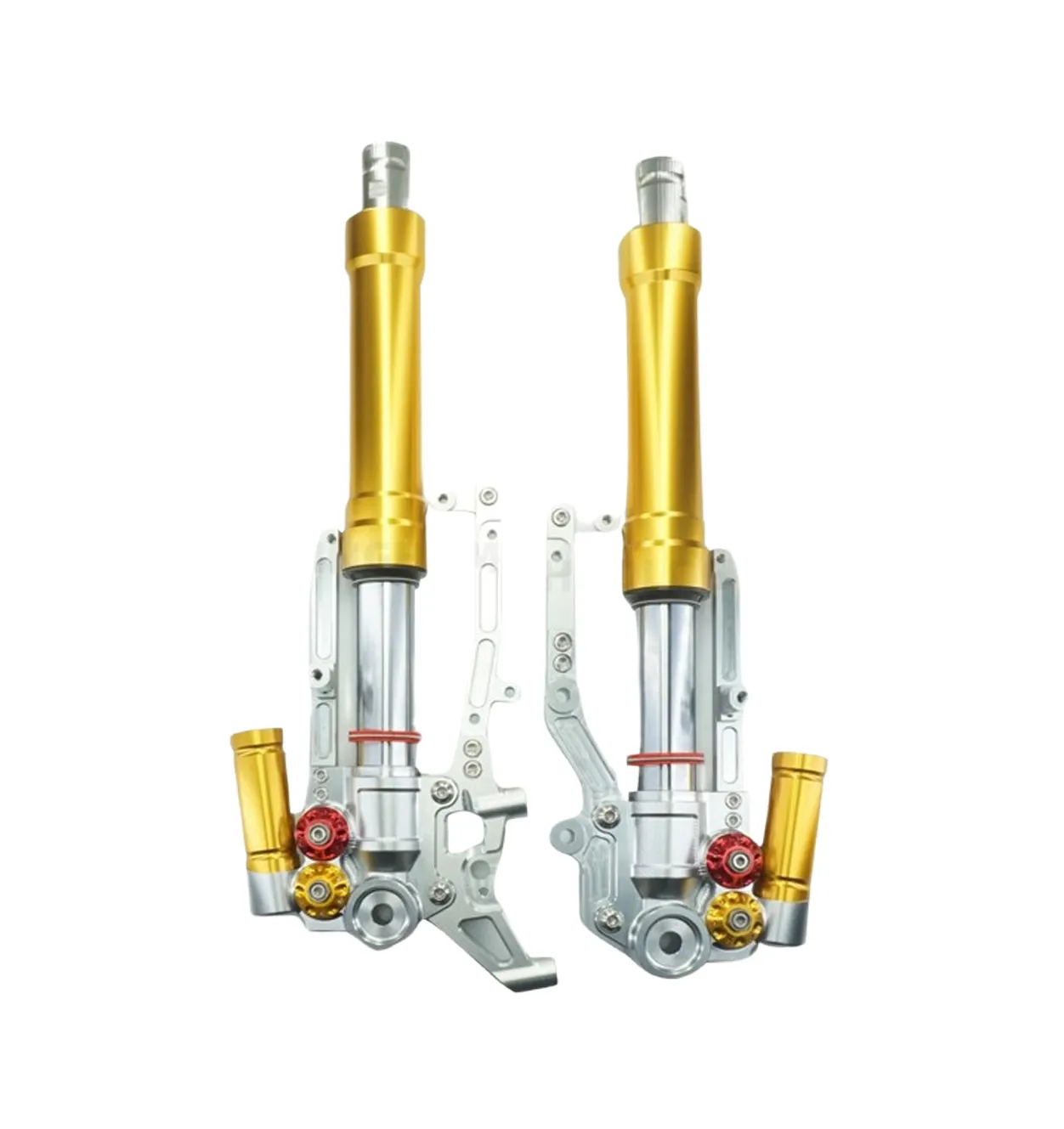
Aerox / NVX. A sport-oriented scooter, and the platform where front-end behaviour is the selling point. Braking dive control, corner stability and sharper response are what a tuning shop can demonstrate and what the rider will pay for. Look at front support under braking as much as at the rear unit, and at whether the damping window is wide enough for a rider who actually uses the upper part of the rev range. Chassis response, not comfort, is the lead argument here.
Y15ZR. An underbone, and a different commercial animal. Durability under aggressive use and rebound control for traction dominate, because the buyers in this segment ride hard and expect the part to survive it. The Y15ZR uses a mono-shock rear arrangement rather than the scooter’s unit-swing layout, so the rear unit is a single, highly visible component — which also means a single point of failure in the customer’s eyes. Look for build durability and consistent rebound before you look at adjustment count.
Across all three, exact fitment, installed length and model-year coverage still have to be confirmed with the supplier. Family names hide real differences: a rear unit listed for one generation of a platform may not carry across a later one, and market variants within the same model name can differ. That confirmation is easiest to start from our Yamaha platform coverage, which is organized by platform rather than by part number, and it’s the right place to open a fitment request instead of pulling a row from a generic catalog table. If you’re still deciding which platforms to stock first, the companion piece on which Yamaha scooter platforms to stock first covers that step.
How to Choose by Use: City Commuting, Long Rides and Two-Up
Once the model is fixed, the same bike can still point to different configurations depending on what the rider actually does with it. Ask the duty-cycle question before the specification question, and keep the recommendation conditional.
City commuting. If the rider mostly covers short urban trips in traffic, prioritize small-bump compliance and quick recovery in stop-and-go conditions, plus a setup the rider can live with daily without fiddling. A harsh damper that only works when pushed hard is a poor commuter part regardless of its adjustment count. For an NMAX used this way, the argument is comfort and control over broken surfaces; for an Aerox, it is a front end that stays settled under repeated low-speed braking.
Long rides. If the rider mostly covers distance, prioritize thermal consistency and stable damping over the length of the run, plus sag control if luggage is carried. A unit that feels right cold and vague after an hour of sustained work is the wrong choice, and the pattern is diagnosable: acceptable cold, weak after sustained work, better next morning points toward thermal fade rather than a balance problem. The temperature band and soak duration behind their validation is worth asking about, because that is what separates a touring claim from a marketing line.
Two-up. If the rider regularly carries a passenger, prioritize spring rate and preload range for the loaded envelope. This is the distinction most worth explaining at the counter: spring rate is a fixed physical property of the spring, while preload is an adjustable setting that shifts where the suspension sits in its travel. Preload changes ride height and sag; it can’t change the rate, as Öhlins explains in its guide to adjusting motorcycle shocks. A platform with the right rate for its target load can still behave badly under passenger-and-luggage duty if preload isn’t set to restore proper sag. Going the other way doesn’t work: no amount of preload compensates for a spring that’s simply too soft for the loaded duty cycle. At that point preload becomes a workaround, not a fix.
A rider who commutes all week and tours twice a year is a commuter with a touring weekend, not a touring customer. Sell to the dominant duty cycle and let the adjustment range cover the exception.
What to Check Before Ordering: Fitment, Configuration and After-Sales
Most program problems are prevented at this stage. Run it as a checklist of questions sent to the supplier, one set per model. A spec pack confirmed by model year is the usual way to close these points in writing.
Fitment, per model. Confirm the platform, the model year and the market variant in writing — not the family name. Confirm mounting points and installed length against the specific bike, since a scooter unit-swing rear and an underbone mono-shock are not interchangeable and lengths vary within a platform across generations. Ask explicitly which model years the part covers and whether any running change affects fitment. For NMAX, Aerox and Y15ZR, treat any answer that stops at the model name as incomplete.
Configuration. Establish which adjustment functions the tier actually includes — preload only, preload plus rebound, or preload plus rebound plus compression — and whether the damping window suits the use you identified in the previous step. Adjustment count isn’t the same as adjustment usefulness: a three-way unit with a window that doesn’t match the rider’s duty cycle is harder to sell than a two-way unit that does. Ask for the damping targets the unit was specified around, and whether a different build is available for a load-focused program.
After-sales. Confirm spare parts availability, whether setup guidance is provided by model, and exactly what evidence the supplier needs before a claim is filed — a defined checklist shortens resolution and protects the margin on the whole program. If they offer private label or tiered assortments, get the scope in writing rather than assuming it.
A short written reply covering these three areas, per model, is worth more than a long catalog, and it’s the document your counter staff will pull out when a customer asks why this part and not another.
Start With the Model, Confirm With the Supplier
The decision loop closes where it opened: model first, then use, then configuration, then a written fitment confirmation. An upgrade only earns its margin when the part actually fits the bike in front of the customer, and the fastest way to lose a program is to sell a family name to a specific machine.
Run the three platforms as three paths. NMAX sells on two-up support and daily composure; Aerox sells on front-end control and corner confidence; Y15ZR sells on durability and traction under hard use. Then let the rider’s duty cycle pick the configuration, and let the supplier’s written confirmation close the fitment question by model year and market variant.
If you’re building or extending a Yamaha suspension program, bring your platform list and the model years you intend to cover, and open a fitment request through our Yamaha platform coverage page. With those in hand, we can confirm fitment and recommend a tiered assortment directly instead of guessing.