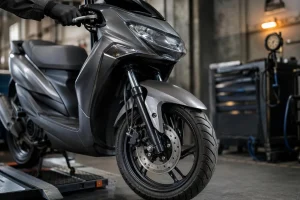
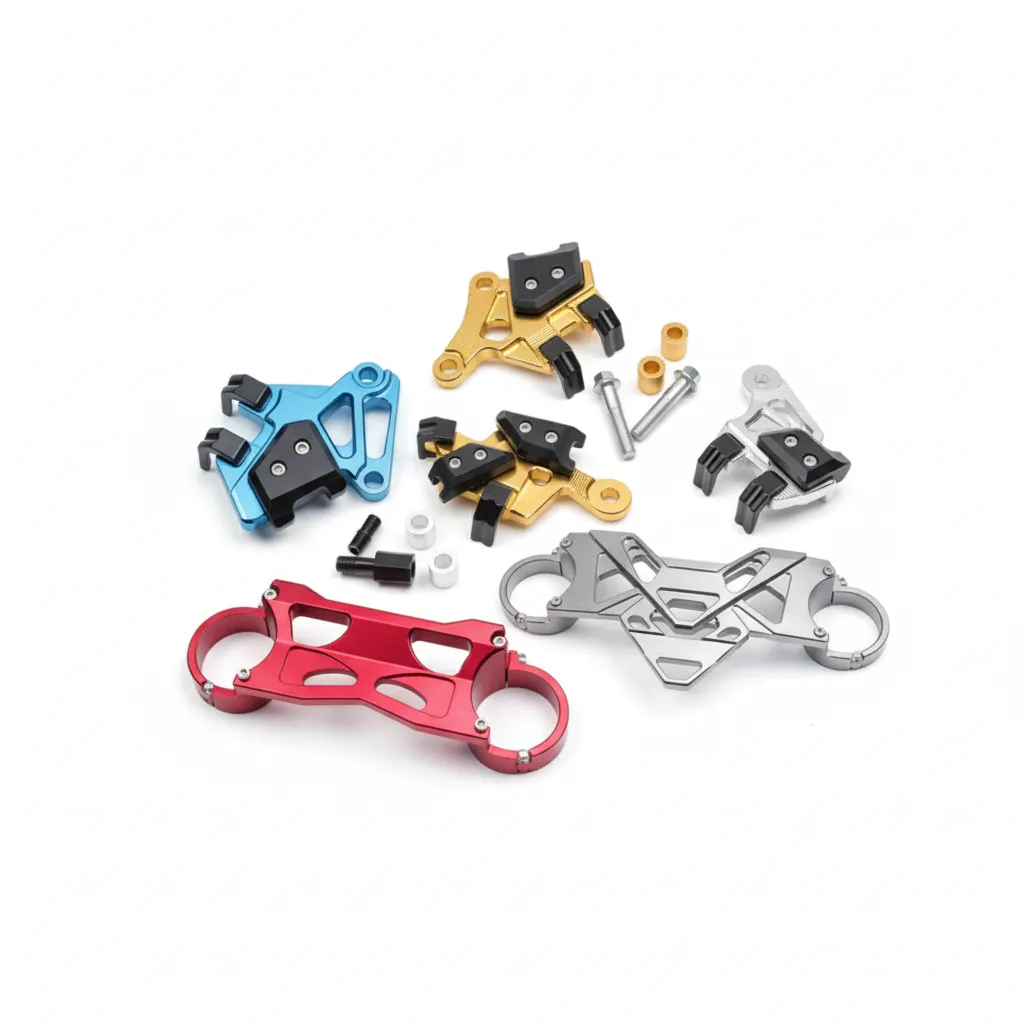


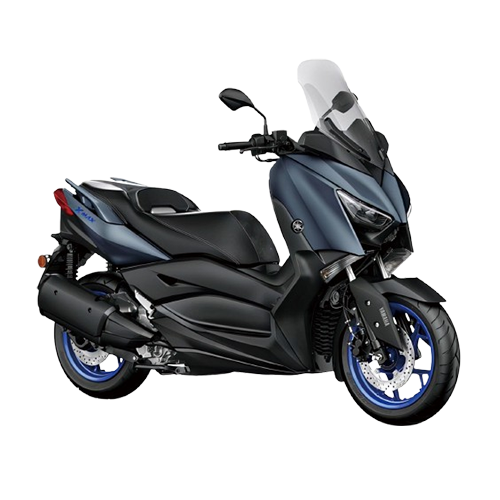

This is a composite scene, built from what we’ve seen in NMAX customer enquiries over the years rather than one rider’s upgrade. No single rider’s paperwork, workshop invoice or measured result sits behind it. The pattern, though, is common: the scooter is ridden daily, the suspension starts to feel different on ordinary streets, and the decision gets worked through in stages.
If you recognise yourself in it, the order is what matters — noticing, narrowing, deciding — and this article walks you through it, including what an unmeasured decision honestly can’t tell you.
Why City Commuters Notice Suspension First
Urban riding is a stream of small impacts. A commuter doesn’t meet one big obstacle and get on with it; the scooter runs through one shallow irregularity after another — patched trench lines, worn expansion joints, raised crossings, sunken drain covers, the lip where a resurfaced lane meets an old one. Each one is small on its own. What makes them noticeable is the repetition: same order, same places, trip after trip, so the rider’s attention has time to settle on them.
The NMAX’s published spec puts some numbers behind this. Yamaha lists a telescopic fork with 100 mm of front wheel travel and a unit-swing rear with 90 mm, both on coil springs with hydraulic dampers (owner’s manual specifications). Those are modest travel figures, and normal for a compact urban scooter built around a low seat and a short wheelbase. The point isn’t that the suspension is bad. It’s that with limited travel, a run of small inputs eats up a bigger share of the stroke than the same run would on a longer-travel machine, so the rider feels the accumulation.
Stop-start traffic adds a second layer. The scooter is loaded and unloaded all through a commute — brake, settle, accelerate, settle again — and every one of those transitions passes through the suspension. A rider in that rhythm is asking the same parts to handle many small weight shifts instead of a few large ones. That’s a different duty from a sport rider’s, and it’s the one a commuter’s attention ends up on.
None of this proves the standard setup is harsh, under-damped or badly matched. It only shows that city riding is a likely place for a rider to start noticing suspension behaviour, because the environment piles up small repeated inputs and the travel to absorb them is finite. Whether a particular impression comes from the hardware, the setup, the tyres, the load or something else is a separate question, and the next step is to treat it as one.
The Daily Ride Before the Change: What the Rider Feels, and What It Does Not Prove
Riders usually describe the feeling in plain words. A sharpness over small bumps that comes up more often than they expect. Bracing a little before a stretch of road they know is rough. A general sense that the ride is busier than it should be, with more movement coming through the seat and bars than they want to absorb. None of that is precise, and it doesn’t need to be. Riders rarely have the vocabulary of damping and spring rate, and noticing something doesn’t require it.
What matters is the gap between a feeling and a diagnosis. If a rider feels sharpness over small bumps, the ride feels sharp — that’s real, and worth acting on. It doesn’t tell you which part is responsible, whether something is worn, whether the setup suits the load the scooter actually carries, or whether new parts would change the feeling at all.
So before any upgrade decision, run the basic checks. Start with tyres: condition and cold pressures, because a soft or worn tyre changes ride quality and grip before any suspension component is involved. Yamaha’s manual specifies cold pressures and a maximum load of 168 kg covering rider, passenger, cargo and accessories. Next, the load and how it’s carried — a scooter regularly ridden two-up or with a heavy top box asks more of the same springs. Then a visual inspection: oil leakage or damage at the fork inner tubes and the rear unit, plus whether the scooter settles and returns in a controlled way when you push down firmly by hand. That last one has a useful reference point — pushed down and released, the suspension should come back smoothly and settle without bouncing repeatedly (Superbike Coach suspension guide).
A check can also come back clean and still leave the rider unsatisfied: pressures right, no leakage, no damage, the scooter settling as it should, and the ride still busier than they want. That’s a legitimate outcome. It isn’t a dead end and it isn’t proof the rider imagined anything — the simple explanations are simply ruled out, and the real question is still open.
One safety note, since it belongs here rather than at the end. None of this needs riding harder, faster or more aggressively to “confirm” a suspicion. You don’t have to provoke the behaviour on the road to justify looking into it, and trying to adds risk without adding information. If the basic checks can’t confirm anything, or you can’t describe the behaviour clearly enough to act on, the next step is a technician who can inspect the components properly — not a harder test ride.
How the Rider Narrowed the Choice: By Use, Not by Price or by Copying
The narrowing works because of the order. Start with the use itself, defined honestly and in writing if that helps. For this rider it’s daily city commuting, mostly solo, sometimes with a passenger, no track days and no racing intent. That definition rules out whole categories before price ever comes up — race-oriented hardware, setups built around sustained high-speed work, anything whose adjustment range only serves a use the rider doesn’t have.
Next, decide what matters most within that use. For a city commuter, three things come to the top: bump compliance over repeated small impacts, which is the quality the rider has been noticing; stable recovery, meaning the suspension settles predictably after each input instead of continuing to move; and load support when a passenger or luggage is aboard, because the same scooter has to work in both conditions. A fourth is whether the adjusters make sense to the rider. An adjustment you can’t interpret isn’t an advantage.
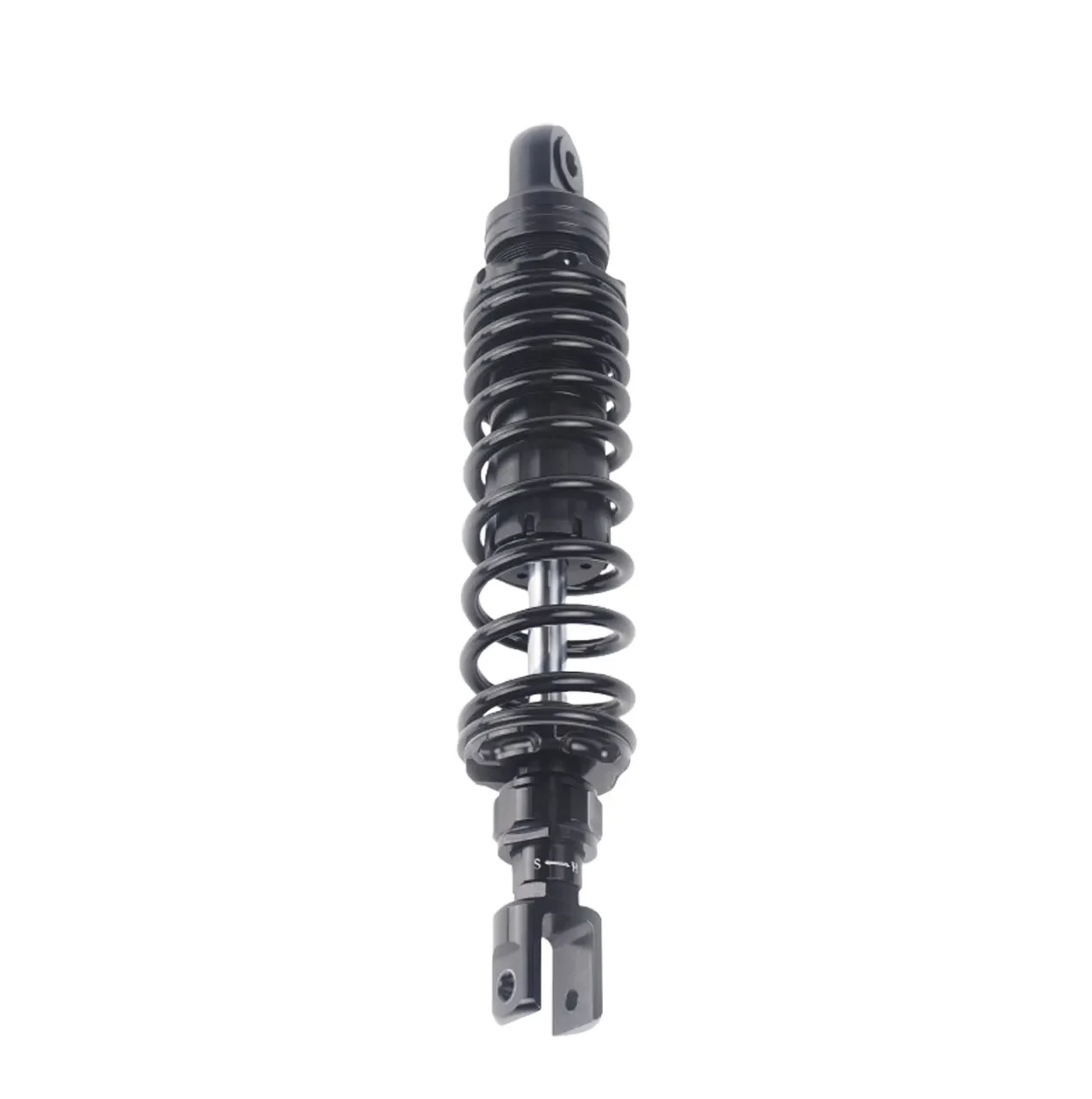
This is where a Yamaha shock absorber upgrade guide is worth reading. It sets the same narrowing logic out in structured form and shows how fitment is sorted by platform — which matters, because the NMAX is one platform among several and a part confirmed for one is not automatically confirmed for another. That platform-by-platform view is what our Yamaha NMAX/XMAX shock absorber wholesale program is built on.
Last, treat price and other riders’ setups as inputs, not answers. Price is a real constraint and belongs in the decision, but it won’t tell you which product suits your use. Another rider’s setup is the more tempting trap because it carries the authority of experience, and it still doesn’t transfer. A setup built around a different rider’s weight, a different load pattern and different roads solves a different problem, and copying it brings in assumptions you haven’t tested. Use both as reference points, not conclusions.
What you end up with is a shortlist and a set of priorities, not a certainty. That’s the honest state of the decision at this stage, and it’s worth keeping that way rather than forcing it closed.
What Changed, What Did Not
The aftermath stays general, because that’s all an illustrative scene can honestly offer. Most riders notice a different feel over the same roads: the same bumps, a different quality of response, and a clearer sense of what the suspension is doing underneath. Whether that reads as an improvement, a change, or something still being got used to is up to the rider, and it can take a few weeks of adjustment to settle.
You won’t find an improvement figure or a verified before-and-after claim here, because none was measured — a number would turn an honest illustration into a made-up result. Some riders notice less than they expected, and that’s normal, not proof of a bad decision. If you’ve defined the use, checked the basics and narrowed by what mattered, the choice holds its reasoning even when the felt difference is modest.
What doesn’t change is worth saying plainly. The roads stay the same. Hardware doesn’t make you a better rider. The scooter’s geometry is unchanged, and so is the need for correct tyre pressures and sensible load discipline. A suspension change sits inside those constants; it doesn’t replace them.
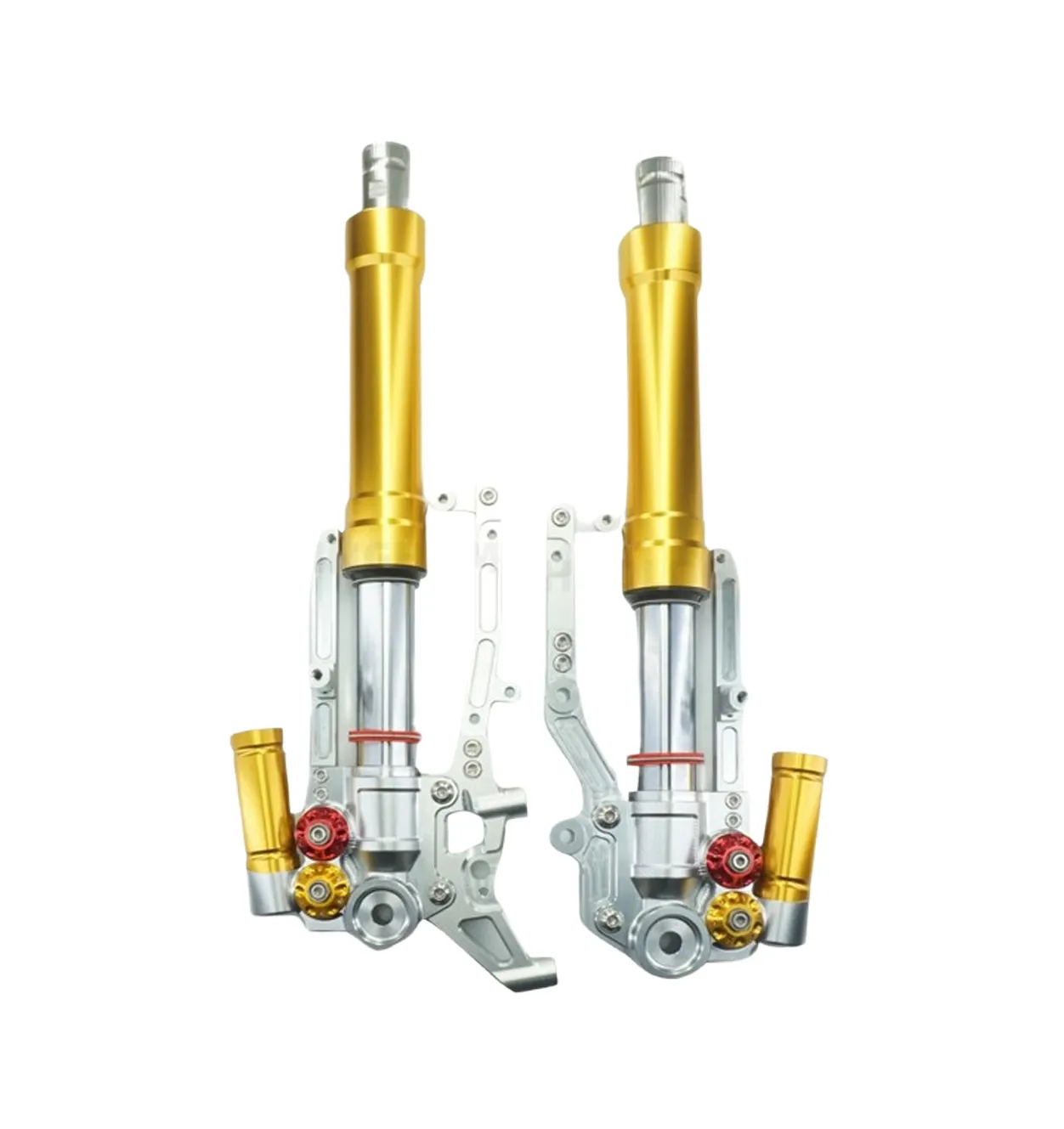
The front end is a separate question. If you’re only looking at the rear, the job isn’t finished, because front and rear work as a pair — change one and ignore the other and you’ve left the balance unexamined. Riders weighing the front should look at front shock absorber options on their own terms, with their own fitment and setup questions, rather than assuming the rear decision covers both ends.
A Checklist for City Riders Considering the Same Step
The checklist follows the order of the process, so you can work down it in sequence.
Confirm tyre pressures cold and check tyre condition. Pressures measured cold, against the manufacturer’s figures, and a look at tread and sidewalls. This comes first because it is the cheapest explanation and the easiest to rule out.
Account for the real load. Include the rider, a regular passenger, and anything carried routinely. A scooter that is usually two-up is asking something different of its suspension than one that is usually solo.
Inspect for leakage, damage and unusual settling. Look at the fork inner tubes and the rear unit, then push the scooter down firmly by hand and watch whether it returns smoothly and settles without repeated bouncing.
Define the actual use in writing. Daily city commuting, solo or two-up, no racing intent — stated plainly enough that it can rule options out.
Decide what matters most before looking at price. Bump compliance, stable recovery, load support and adjusters you can actually understand, ranked by your own priorities.
Confirm fitment by model and year, not by appearance. A part that looks right is not confirmed; fitment is confirmed against the specific model and year.
Plan who installs and who sets it up. Installation and setup are separate steps, and both need an owner before the parts arrive.
Set a review point after installation. A point at which the rider revisits the feel, the settings and the load pattern, rather than treating installation as the finish line.
One rule sits inside the checklist: if any basic check is inconclusive, or you can’t describe the behaviour clearly enough to act on it, stop and see a technician. That’s the right answer to uncertainty, and it’s safer than carrying on with an assumption.
Decide by Your Own Daily Ride
The rider in this scene never got a confident answer by copying someone or picking the cheapest option, and some uncertainty stayed with them to the end. That’s what a sound decision looks like when the information is incomplete — and any rider can work through the same order.
Try it on your own riding. Start with what your daily route actually asks of the scooter. Check the simple things before assuming the complex ones. Define your use before you look at products, and decide what matters before you look at price. And when the basic checks can’t answer the question, take it to a technician rather than guessing.
If that process leaves you with a fitment question on the NMAX, Kingham Tech is where to take it further. We’d rather have a fitment conversation with an engineer — confirming what suits your model year, your load pattern and your use — than promise a particular result. That same platform-level view is where you can check the details, and it’s the discipline the rest of this article has argued for: decide by your own daily ride, and confirm before you buy.