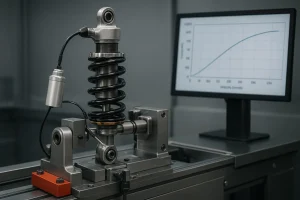









Combining shock dyno data with real-world testing is crucial for effective suspension tuning. Each method offers unique advantages that enhance your motorcycle’s performance.
Optimizes Shock Absorbers: You gain insights into how shocks perform under pressure. This knowledge allows you to make adjustments that enhance ride quality.
Improves Vehicle Handling: A well-balanced shock setup contributes to a smoother driving experience. This is vital for maintaining control at high speeds.
Long-Term Benefits: Maintaining shock performance can extend the lifespan of the entire suspension system.
By utilizing both methods, you ensure that your suspension system operates at its peak performance.
Key Takeaways
Combine shock dyno data with real-world tests for better suspension tuning. This mix improves motorcycle performance and reliability.
Use shock dyno data to make shock absorbers better. This data shows how shocks work under pressure, leading to a smoother ride.
Get driver feedback during real-world tests. This feedback helps change suspension settings based on real riding conditions.
Test and adjust your suspension settings often. Regular checks keep your motorcycle running at its best over time.
Learn about shock dyno graphs to make smart tuning choices. Look at force vs. velocity curves to find areas to improve.
Shock Dyno Data Importance
Measuring Shock Performance
Shock dyno data is very important for tuning suspension systems. It helps you see how well your shock absorbers work in different situations. By looking at this data, you can make smart changes to improve your motorcycle’s ride quality and handling. Here’s how to measure shock performance well:
Find out the stroke needed for the shock absorber test.
Attach the shock using the right dyno adapters and secure it.
Connect the dyno to a computer and open the LABA7 Shock Dyno Software.
Start a new project and write down details about the shock absorber.
Calibrate the dyno using the automatic calibration feature.
Set the test parameters, including speeds for compression testing.
Run the tests and check the results in the software.
This step-by-step method helps you collect accurate data on shock performance, which is key for good tuning.
Key Metrics in Dyno Data
When looking at shock dyno data, several key metrics give you insights into performance. Knowing these metrics helps you improve your suspension setup. Here are some of the most common metrics analyzed:
Metric Type | Description |
|---|---|
Force vs. Absolute Velocity | Shows how the shock resists movement in low- and high-speed damping situations. |
Force vs. Displacement | Illustrates how a shock resists movement through a given stroke length. |
Also, consider these metrics:
Force needed for rebound
Shock response to different speeds
Shock response to different stroke lengths
Kingham‘s shock absorbers use shock dyno data to improve product performance. Each shock absorber unit goes through high-speed dyno testing before packaging. This testing helps ensure that all production batches meet high standards of control and stability.
Shock dyno data also helps find the best damper settings for different vehicle types. It gives insights into how dampers work, like their force versus velocity behavior. This information is important for figuring out the best damping curves—whether linear, progressive, or digressive—for different driving conditions and vehicle dynamics.
Understanding Shock Dyno Graphs
Force vs. Velocity Curves
Knowing how to read force vs. velocity curves is important for tuning suspension. These curves show how damping force changes with shock piston speed. A good shock will have little difference between bump-accelerating and bump-decelerating phases. You want a small gap in the Force/Velocity graph. This means the shock is of better quality.
Aspect | Description |
|---|---|
Damping Characteristics | The curves show how damping settings affect performance at different speeds. This is important for tuning choices. |
Low Speed Adjustments | At low speeds (0-50mm/s), the lines on the graph are close together. This means there is little change in damping force with adjustments. This is key for vehicle body movements when turning. |
Mid Speed Adjustments | Between 50-150mm/s, adjustments show clear differences in damping forces. This is important for heavy braking and quick direction changes. |
High Speed Adjustments | At speeds over 150mm/s, the graph shows how the damper reacts during tough conditions like hitting curbs. This helps guide adjustments for better performance. |
Compression and Rebound Insights
Looking at compression and rebound data helps you see how suspension works in different situations, like jumps and turns. It shows how suspension acts differently based on speed. This is key for making adjustments. Grouping data from various situations makes predictions more accurate. For example, you might see big differences in average speeds during jumps compared to other parts of the track.
When reading shock dyno graphs, watch out for common problems. Spotting issues at high temperatures can help find problems that happen when the shock absorber gets hot. Unusual patterns in the graph may show mechanical wear or wrong nitrogen pressure. Big peaks or drops in the graph mean a drop in damping force. This shows that the damper is less effective during that stroke.
By learning how to read shock dyno graphs, you can make smart choices that improve your motorcycle’s performance. Kingham’s products are made based on these studies, so you get high-quality parts that fit your riding needs.
Real-World Testing Validation
Driver Feedback Integration
Real-world testing is very important to check the results from shock dyno data. While dyno tests give controlled information, they can’t show the full picture of real riding. You need to get feedback from riders who use the motorcycle in different places. This feedback helps you see how the suspension works in various situations.
Think about these points when using driver feedback:
Comfort Levels: Riders can tell how comfortable they feel during different moves.
Handling Characteristics: Feedback on how the motorcycle acts during turns or sudden stops is very important.
Performance Under Stress: Real-world situations often show how shock absorbers deal with tough conditions, like rough roads or fast cornering.
By listening to riders, you can make smart changes to improve suspension performance. This use of driver feedback makes sure your tuning matches real-world needs.
Adjusting for Road Conditions
Different road conditions greatly change how shock absorbers work. Real-world tests mimic many environments, from smooth highways to bumpy backroads. This helps you adjust damping features for comfort and handling.
Here are some key things to think about regarding road conditions:
Quality of Roads: The International Roughness Index (IRI) checks road quality. Bad roads can cause more wear on shock absorbers.
Temperature Effects: Inside temperatures can go over 120°C, changing fluid thickness and damping forces. As temperatures rise, fluid thickness drops, causing weaker rebound damping.
Long-Term Durability: Long-term tests mimic thousands of miles of driving quickly. This helps see how shock absorbers wear out over time, especially under tough conditions like off-road bumps.
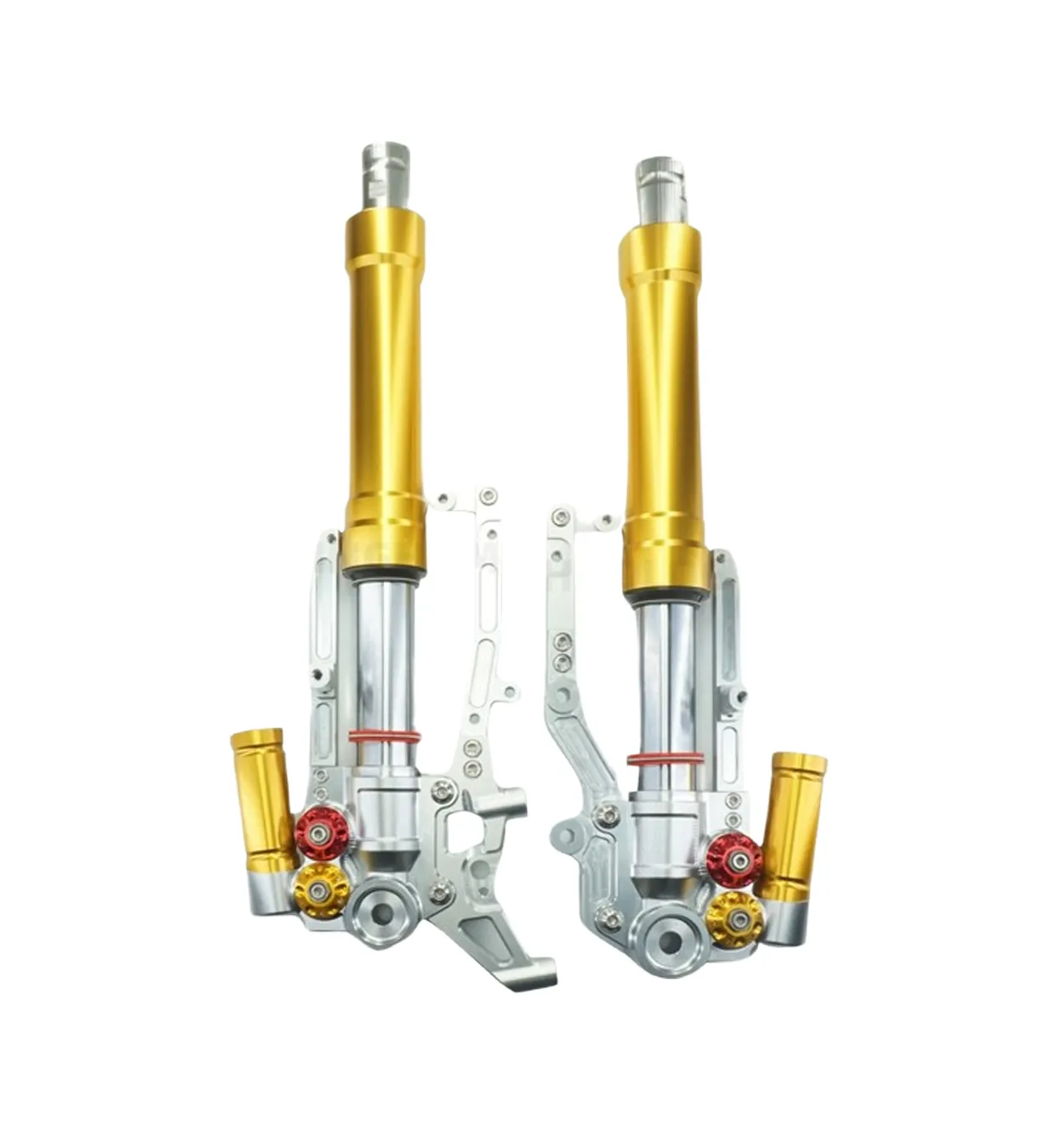
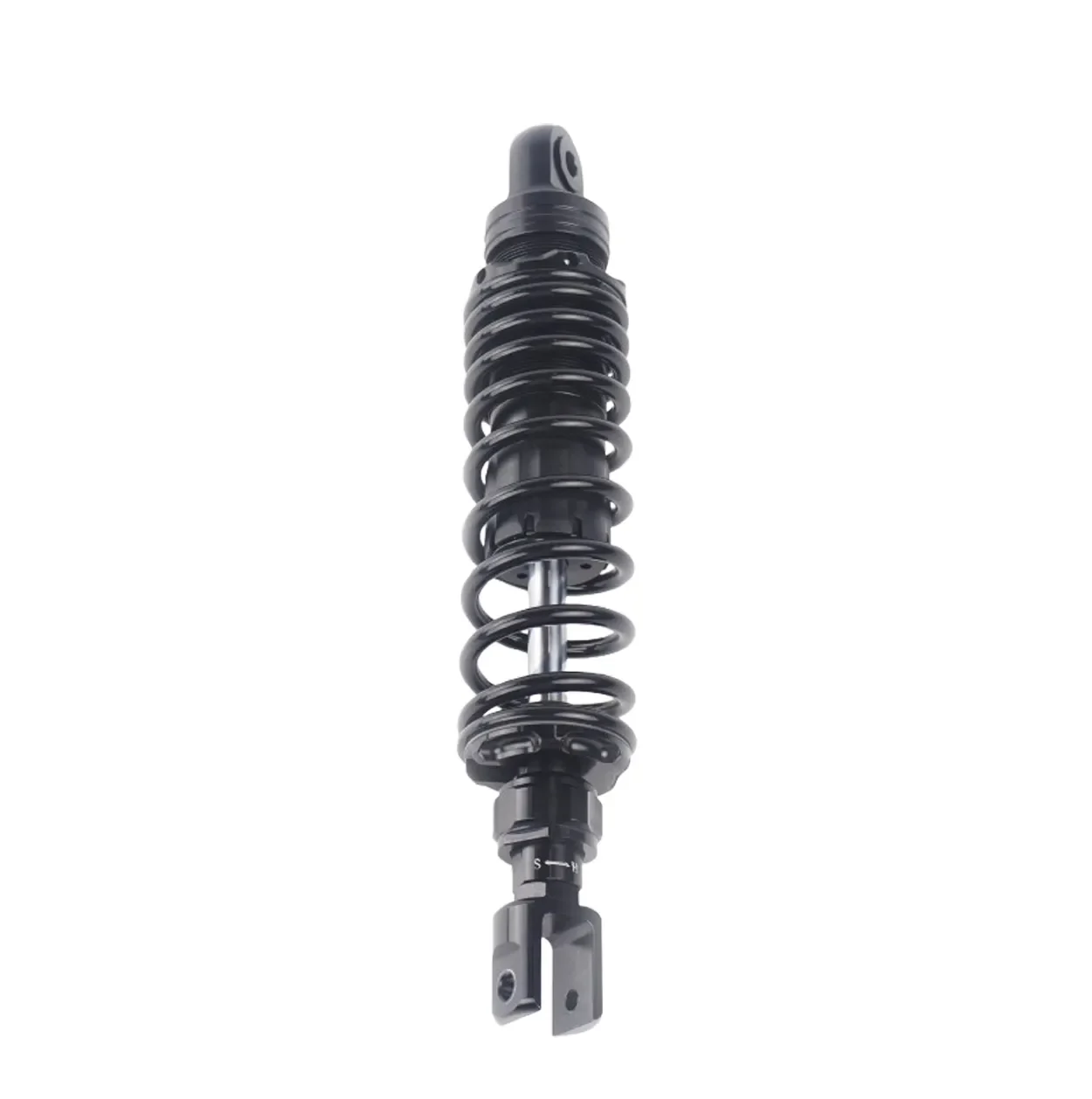
Kingham’s shock absorbers are made to work well on different road types. The front units use strong aluminum alloys, making them strong but light. The rear shock absorbers use high-strength steel, able to handle heavier loads and stress. Ongoing improvements in hydraulic fluids and sealing technologies boost the performance and life of these shock absorbers.
By mixing shock dyno data with real-world testing, you can create a suspension setup that not only meets but goes beyond performance goals.
Integrating Dyno Data and Testing

Developing a Tuning Strategy
To make a good suspension tuning plan, mix shock dyno data with real-world testing. Follow these important steps:
Collect data about your current suspension settings and how well they perform.
Test different suspension setups on a dyno to get controlled data.
Analyze real-world performance data from track sessions.
Adjust suspension settings based on driver feedback and performance results.
Document all changes and how they affect performance for future reference.
This organized method helps you improve your tuning process over time. For example, AIX Racing improved lap times and handling by using LABA7’s Electromagnetic Damper Test System after every race. Similarly, Samsonas Motorsport got real-time insights into damper performance, which saved them money by moving testing from the car to the lab.
Practical Tips for Implementation
Using both shock dyno and real-world testing can boost your suspension tuning. Here are some helpful tips to get started:
Gather Your Equipment: Make sure you have the shock absorber, a shock dyno machine, and a computer ready for data analysis.
Mount the Shock: Carefully secure the shock absorber onto the test rig.
Initiate the Test: Turn on the dyno machine to mimic road conditions.
Collect and Review Data: Move data from sensors to your computer for performance metrics.
Analyze and Adjust: Use the data to make needed changes to the shock settings.
When using Kingham’s shock absorbers, remember to re-tune after installation. Change the compression and rebound settings based on your weight and riding style. Kingham shocks improve handling through focused damping circuitry and custom valving, which enhances road feedback and stability. Their design stops thermal fade, ensuring steady performance during tough use.
By combining shock dyno data with real-world testing, you can create a well-tuned suspension that meets your performance goals.
Mixing shock dyno data with real-world testing is very important for good suspension tuning. This method has many key advantages:
Optimizes shock absorbers by showing how they work under pressure.
Improves vehicle handling, which helps with control at high speeds.
Offers long-term benefits by making suspension parts last longer with regular care.
By using both methods, you boost your motorcycle’s performance and reliability. This mix results in a smoother ride and a better time on the road.
FAQ
What is shock dyno data?
Shock dyno data shows how shock absorbers work in different situations. It gives you information about damping features. This helps you adjust suspension settings for better handling and a smoother ride.
Why is real-world testing important?
Real-world testing checks the results from shock dyno data. It helps you see how suspension works when riding. This includes things like road conditions and feedback from riders.
How can I adjust my suspension settings?
You can change suspension settings by looking at shock dyno data and using driver feedback. Adjust compression and rebound settings based on your weight and riding style for the best performance.
What should I look for in shock dyno graphs?
Pay attention to force vs. velocity curves and compression/rebound data. These graphs show how damping forces change with speed. This helps you find areas to improve your suspension setup.
How often should I test my suspension?
Testing regularly is very important, especially after big changes or upgrades. Try to test your suspension settings every few months or after major rides to keep performance at its best.