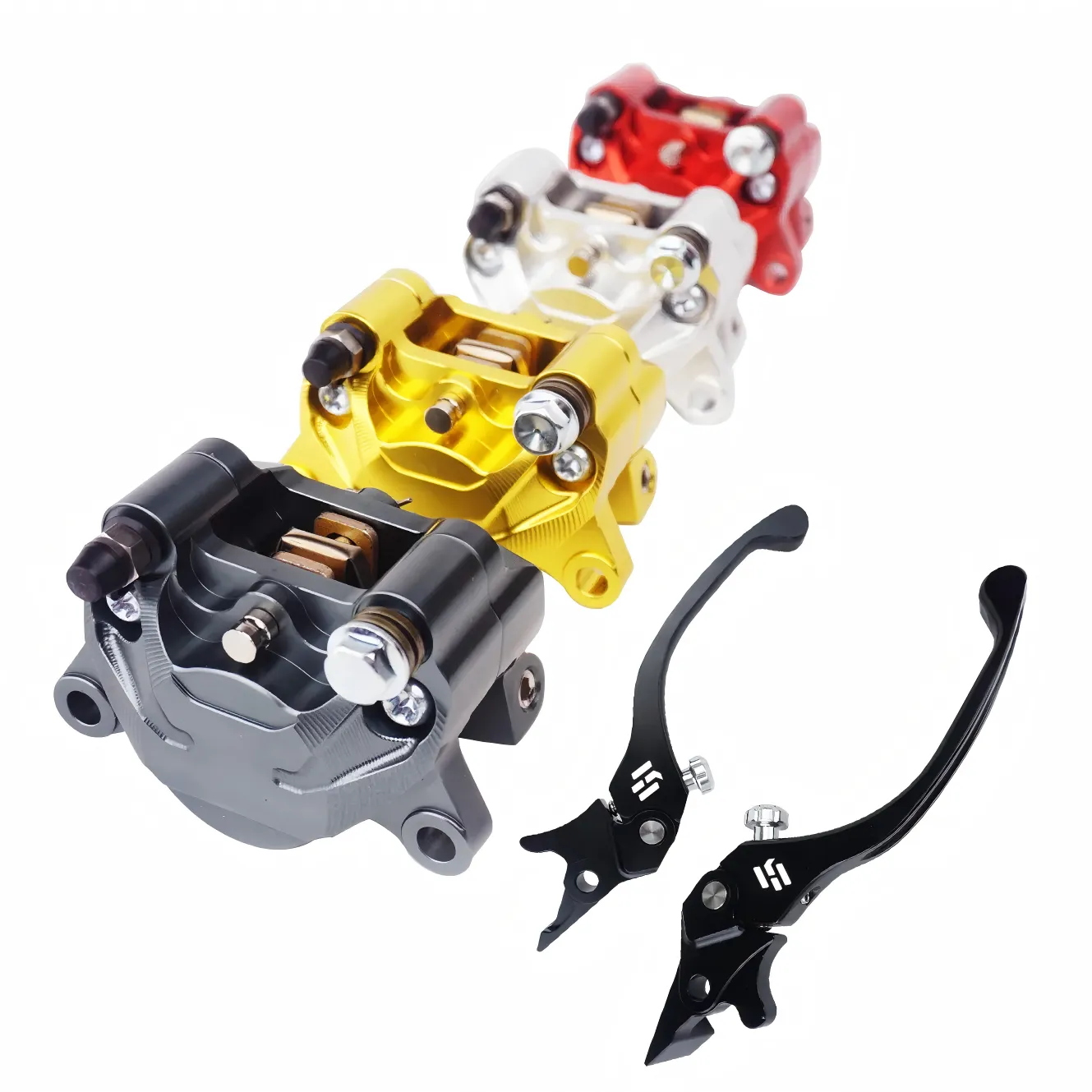








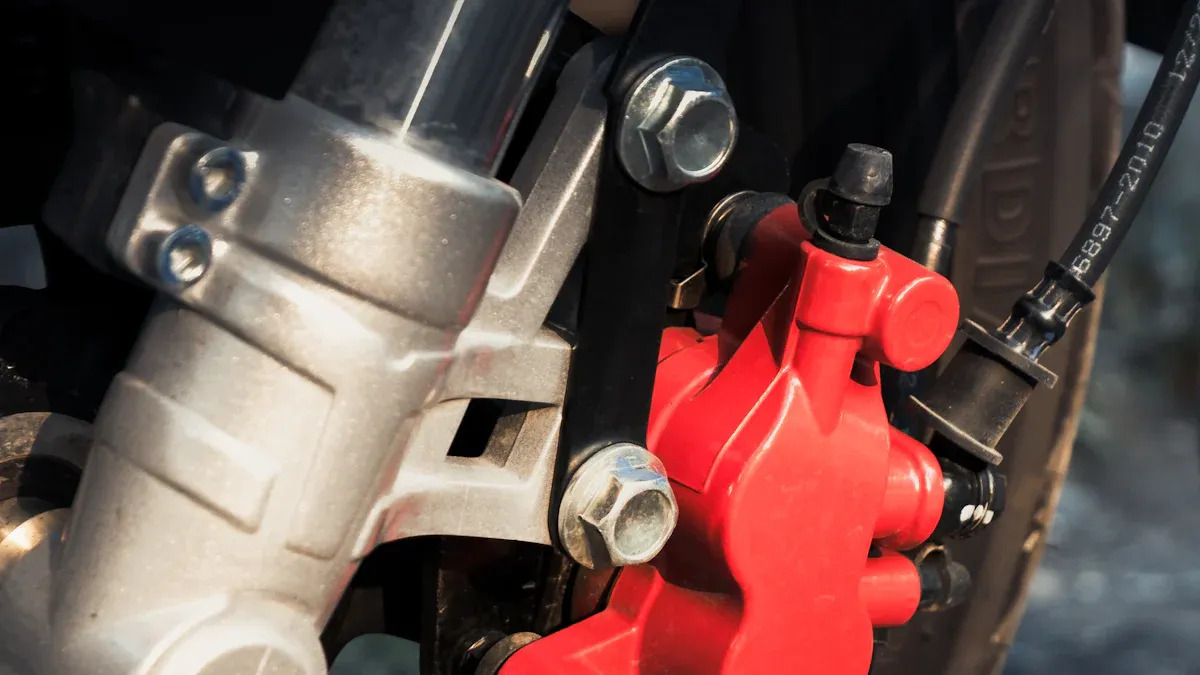
OEM brake pads and discs are very important for your vehicle’s safety and how well it works. The National Motor Vehicle Causation Survey says that 22% of vehicle accidents happen because of brake system problems. This scary fact shows why we need dependable parts.
When you pick OEM parts, you make sure your brake parts follow strict safety rules. On the other hand, aftermarket parts can be different in quality, which might affect safety. OEM parts usually come with guarantees from the manufacturer, which helps you feel safe. Focusing on quality control is very important. It makes sure your braking system works well and is reliable.
Key Takeaways
Picking OEM brake pads and discs keeps you safe. They follow strict rules from the maker.
Quality control is very important in making them. It stops mistakes and keeps brake parts working well.
Kingham uses smart tests, like heat and friction tests, to make sure their brake parts work and last long.
Checking suppliers and doing audits help keep materials good. This makes sure every part meets industry rules.
Regular checks and quality rules make customers trust them. This makes brake systems more reliable.
Manufacturing Process
Material Selection
The making of OEM brake pads and discs starts with picking the right materials. You need to choose materials that keep you safe, perform well, and last long. The most common materials are:
Semi-Metallic: These pads work really well but make some noise and dust. They wear out rotors faster and cost a bit more.
Organic: Organic pads have decent performance with low noise and dust. They are easy on rotors and are the cheapest choice.
Ceramic: Ceramic pads perform well with very little noise and dust. They wear on rotors at a moderate rate and cost about the same as semi-metallic pads.
Here’s a summary of these materials:
Pad Type | Performance | Noise | Dust | Wear on Rotors | Price |
|---|---|---|---|---|---|
Semi-Metallic | Very High | Moderate | Moderate | High | $$ |
Organic | Moderate | Low | Low | Low | $ |
Ceramic | High | Very Low | Very Low | Moderate | $$ |
Most brake discs are made from grey cast iron. Different places have their own rules for these materials. For example, HT250 is used in China, GG20 in Europe, and G3000 in the United States. You also need to think about the mix of materials, which includes certain amounts of carbon, silicon, manganese, sulfur, and phosphorus.
Production Methods
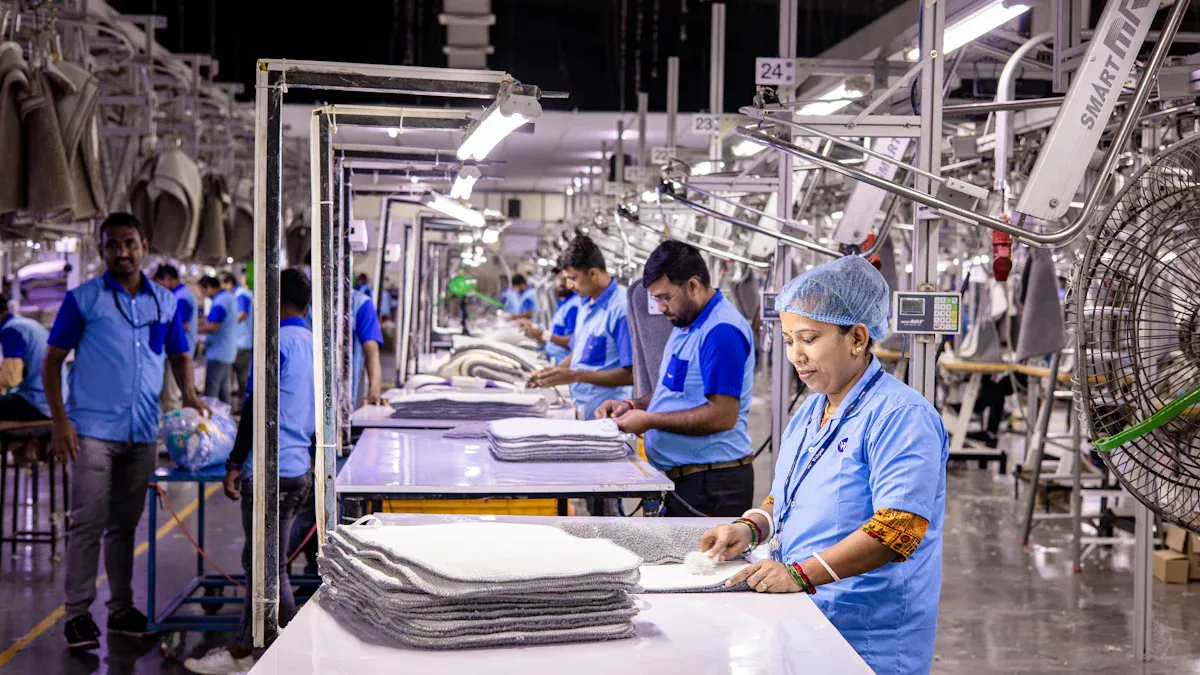
The ways to produce OEM brake pads and discs include several important steps. Here’s a simple overview of the manufacturing process:
Select Recipe: The formula is key for brake pad performance.
Ingredients, Mixing Materials: Raw materials are mixed based on a specific formula.
Degreasing of Steel Backing: Steel backing is cleaned to get rid of oil.
Steel Back Plate Rust Removal: Rust is taken off using shot blasting.
Gluing of Steel Backing Plate: Glue is used to stick materials together.
Hot Pressing: The mixture is pressed into shape under controlled conditions.
Heat Treatment: The product is heated to make it stable.
Shape Processing: Final changes are made to improve performance.
With advanced technology, Kingham’s factories can carefully control the manufacturing process. This helps keep quality and performance the same in every brake pad made. From computer-aided design (CAD) software for creating detailed pad shapes to automated production lines for exact machining and assembly, Kingham works hard for excellence in brake pad making.
Automation tools, like robots and computer vision systems, have greatly improved checking and assembly accuracy. This leads to more products made and fewer mistakes in disc brake pad production. The average mistake rate in the industry is very low, with some makers showing failure rates below 0.3%. This means only three failed rotors for every thousand sold, showing how effective modern manufacturing methods are.
Kingham’s focus on quality control during the manufacturing process makes sure you get reliable and high-performing brake parts.
Quality Control Measures
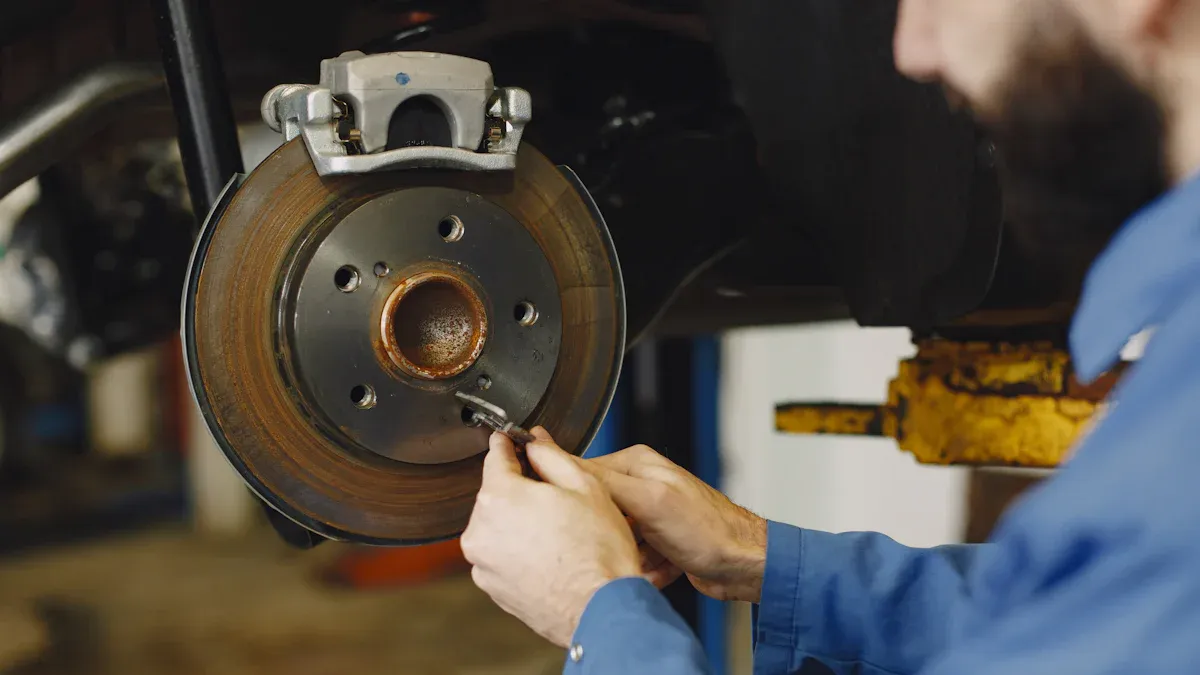
Quality control is very important in making OEM brake pads and discs. It makes sure every part is safe and works well. You want to be sure your brakes will work when you need them. Strict quality control stops problems in brake parts, keeping users safe. It also helps your brand by providing good products.
Testing Protocols
Kingham uses many testing methods to ensure the quality of its brake parts. Here’s a list of the most common tests used:
Testing Method | Purpose |
|---|---|
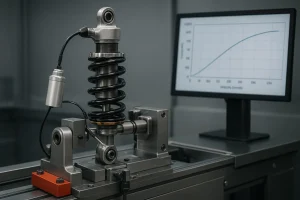
Thermal Testing | Checks how brake parts handle heat. |
Brake Dynamometers | Tests material performance during repeated stops. |
Friction Testing | Measures how well brake parts grip the road. |
Wear Testing | Predicts how long parts will last and checks for damage. |
Endurance Testing | Simulates long-term use to check for wear and tear. |
NVH and Fitment Checks | Ensures quiet operation and fits with vehicle systems. |
Real-World Validation | Tests brake performance in different weather and situations. |
Quality Management Systems | Follows IATF 16949 and ISO 9001 standards for quality checks. |
These tests help you see how well the brake pads and discs will work in real life. For example, thermal testing checks how materials react to heat from braking. This is important because too much heat can cause brake fade, which is unsafe.
Inspection Procedures
Kingham’s inspection steps are careful and organized. QC engineers check many parts every day against different standards. This careful process makes sure aftermarket parts meet or beat OEM standards. You can trust that each part goes through strict checks before it is sold.
The inspection process includes:
Visual checks for surface problems.
Size checks to ensure accurate measurements.
Performance tests to confirm how parts work under similar conditions.
By keeping strict quality control, Kingham makes sure every brake disc and pad meets high standards. This focus on quality gives you confidence in your brake systems.
Procurement Process
Sourcing Materials
In the procurement process for OEM brake pads and discs, getting materials is very important. You need to think about global supply chain trends. These trends can change how available and expensive materials are. Changes in raw material prices affect how much it costs to make things and how much profit you make. Political issues and new rules mean you need smart sourcing to stay competitive. You must adjust to meet safety and environmental rules.
To make sure you have high-quality brake pads and discs, choose materials that are strong and perform well. This means looking at materials like semi-metallic, organic, and ceramic for brake pads. For brake discs, grey cast iron is often used. You must check that the materials meet local standards, like HT250 in China or G3000 in the United States.
Supplier Evaluation
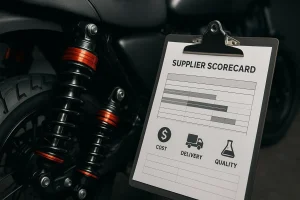
Checking suppliers is a key part of the procurement process. You need to make sure that suppliers can always give you high-quality materials for brake pads and discs. Kingham checks supplier reliability and quality in several ways:
Do strict quality checks to ensure products meet high standards.
Perform sample checks and client-specific inspections to keep quality high.
Verify suppliers by checking their business registration.
Conduct factory audits to confirm supplier authenticity.
These steps help you keep a reliable supply chain. They also ensure that the brake pads and discs you make meet industry standards. By carefully choosing and checking suppliers, you can improve the overall quality of your products and build trust with your customers.
Quality Assurance in Procurement
Quality assurance is very important when getting OEM brake pads and discs. You want to make sure every part is good before it goes to your production line. Kingham uses different methods to keep quality assurance during procurement.
Supplier Audits
Kingham does regular checks on suppliers to make sure they follow quality rules. These checks help you confirm that suppliers always provide materials that match your needs. Here are some key quality assurance steps taken during these checks:
Quality Assurance Protocols | Description |
|---|---|
Material Testing | Testing incoming materials to check for consistency, friction, and durability. |
Supplier Audits | Regular checks of suppliers to ensure they meet quality standards. |
Performance Testing | Final tests of brake pads for temperature, fade resistance, and stopping distance before shipping. |
Certification Verification | Checking material certifications to confirm quality compliance. |
In-house Chemical Analysis | Performing chemical tests to ensure material quality. |
ISO Compliance | Following ISO 15484 standards for lab equipment and testing methods. |
These steps help you keep a reliable supply chain and make sure the brake pads and discs you create are safe and work well.
Compliance Checks
Kingham also has strict checks for suppliers. These checks make sure all materials follow industry rules. Here are some important compliance checks needed for suppliers:
Design Approval: Showing that parts meet FAA standards for replacements or changes.
Production Approval: Doing thorough checks to meet specifications before any product leaves the factory.
Quality Control: Working closely with Manufacturing Inspection District Offices to ensure they follow production and quality systems.
By following these compliance checks, Kingham makes sure every supplier meets the right standards. This focus on quality assurance helps you build trust with your customers and improves the overall reliability of your brake systems.
Adding quality checks in making and buying OEM brake pads and discs is very important. It keeps them safe and working well. Here’s how it helps you:
Every brake pad is tested a lot. They are tested for 300,000 kilometers on roads and 2,000 hours on machines. This makes sure they work great and are safe.
Ongoing quality checks use strict steps like picking materials and testing how they work. This makes them safe for a long time.
Machines check sizes to find mistakes right away if they don’t match the plans.
By focusing on quality checks, you can trust your brakes to work well. This gives you peace of mind when driving.
FAQ
What are OEM brake pads and discs?
OEM brake pads and discs are parts made by the original equipment manufacturer. They follow safety and performance rules set by car makers. Using these parts makes sure your brakes work well and are reliable.
Why is quality control important in brake manufacturing?
Quality control makes sure every brake part is safe and works right. It stops problems, so your car’s brakes work when you need them most.
How does Kingham ensure the quality of its brake parts?
Kingham uses strict testing and checking steps. They do heat tests, grip tests, and real-world checks to make sure their brake parts work well and last long.
What materials are used in OEM brake pads?
OEM brake pads usually use semi-metallic, organic, or ceramic materials. Each type has different performance, noise, and wear levels, so you can pick what fits your driving needs.
How can I ensure compatibility with my vehicle?
To make sure parts fit, check your car’s details and ask Kingham or dealers. They can help you pick the right OEM brake parts for your car’s make and model.