


Suspension systems are very important for how your car works and keeps you safe. They take in bumps from the road, giving you a smooth ride. Steering and suspension issues cause 3% of car accidents from mechanical problems. This shows why keeping these systems in good shape is important.
To make your car work better, think about getting accessories. These can really change how you drive. Here are some good things about new suspension technologies:
Make the ride smoother, more stable, and easier to control.
Help stop tires from wearing out fast and save on gas.
Keep the ride steady with systems like the Cabmate Semi-Active Cab Suspension System.
By paying attention to shock absorbers and their add-ons, you can have a safer and more fun drive.
Key Takeaways
Check your shock absorbers often for a smooth ride. Look at them every 12,000 to 15,000 miles.
Get high-quality shock absorbers to make your ride better by up to 25%. This helps reduce bouncing and makes it more comfortable.
Pick the right shock absorbers for your vehicle and driving style. Monotube shocks give better control, while twin-tube shocks are more comfortable.
Watch for signs of suspension problems, like clunking sounds or uneven tire wear. Fixing these early can save you money on repairs.
Buying a complete suspension system improves your vehicle’s performance, safety, and comfort. This makes driving more enjoyable.
Shock Absorbers Overview
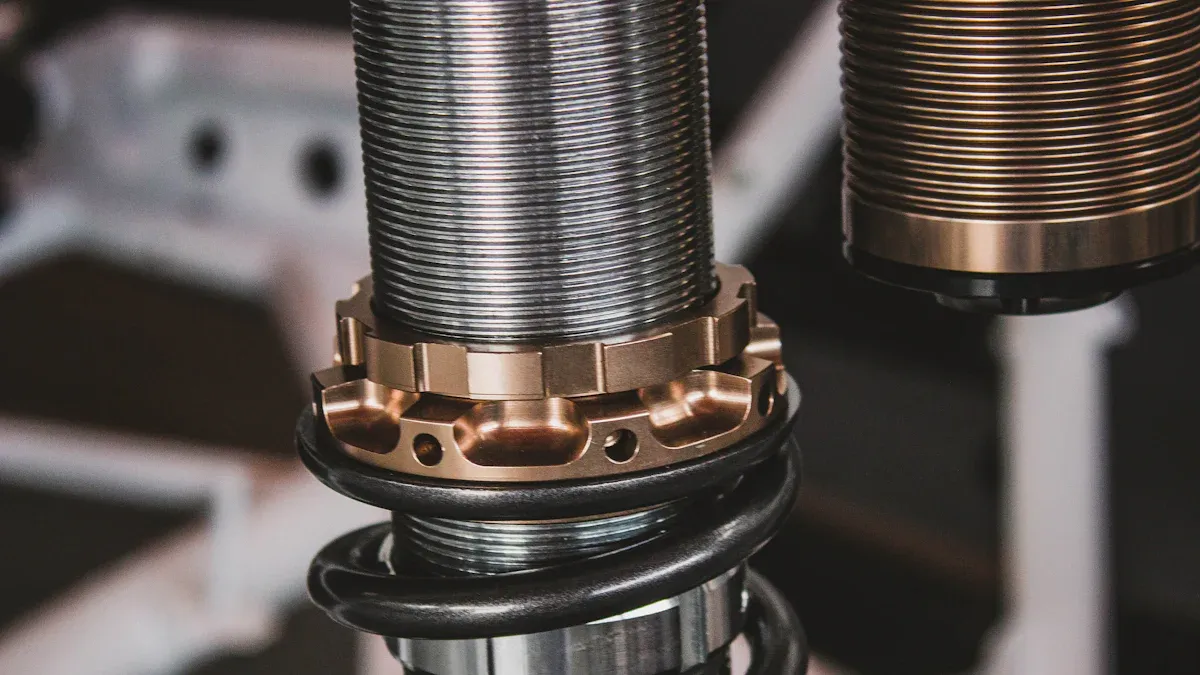
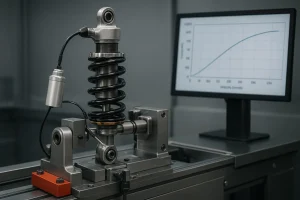
Shock absorbers are very important for your car’s suspension system. They help control how the suspension moves, giving you a smooth and steady ride. By reducing spring bouncing, shock absorbers improve ride quality and handling. When you drive over a bump, shock absorbers limit too much movement. They change kinetic energy into heat energy using hydraulic damping. This keeps your vehicle stable and stops it from bouncing too much.
How Shock Absorbers Work
Knowing how shock absorbers work helps you see why they matter. Inside each shock absorber, a piston moves through oil in a sealed tube. This movement creates resistance, slowing down motion and keeping the ride smooth. When your car hits a bump, the piston moves down, pushing hydraulic fluid through small holes or valves. This action turns kinetic energy into heat, controlling how the springs bounce back and reducing vehicle shaking.
Shock absorbers change kinetic energy into heat energy using hydraulic damping.
They control how the springs bounce back, stopping excessive bouncing.
This keeps the vehicle stable and makes the ride more comfortable.
Types of Shock Absorbers
There are different types of shock absorbers for passenger and commercial vehicles. Each type has its own benefits and works well in different driving conditions.
Type | Description |
|---|---|
Mono-tube | A single tube design, often used for better heat control and performance. |
Twin-tube | Has two tubes, giving a more comfortable ride, often found in passenger cars. |
Gas shocks | Use gas pressure to boost performance, good for both passenger and commercial vehicles. |
Oil shocks | Use hydraulic fluid, common in many vehicle types for effective damping. |
Monotube shocks have one chamber where the fluid is separate from the gas. This allows for a smooth and steady ride. They give better control and response, great for performance driving. Monotube shocks also handle heat better, which helps keep performance strong. On the other hand, twin-tube shocks use a base valve to manage fluid flow between two shells. This allows for lower gas pressure and more resistance. They focus on comfort, making them good for daily driving but not as effective for high-performance situations.
Monotube shocks provide more control and response, with better heat management.
Twin-tube shocks give a comfy ride and are cheaper but hold heat more.
By knowing these types, you can pick the right shock absorbers for your car, improving both comfort and performance.
Suspension System Components
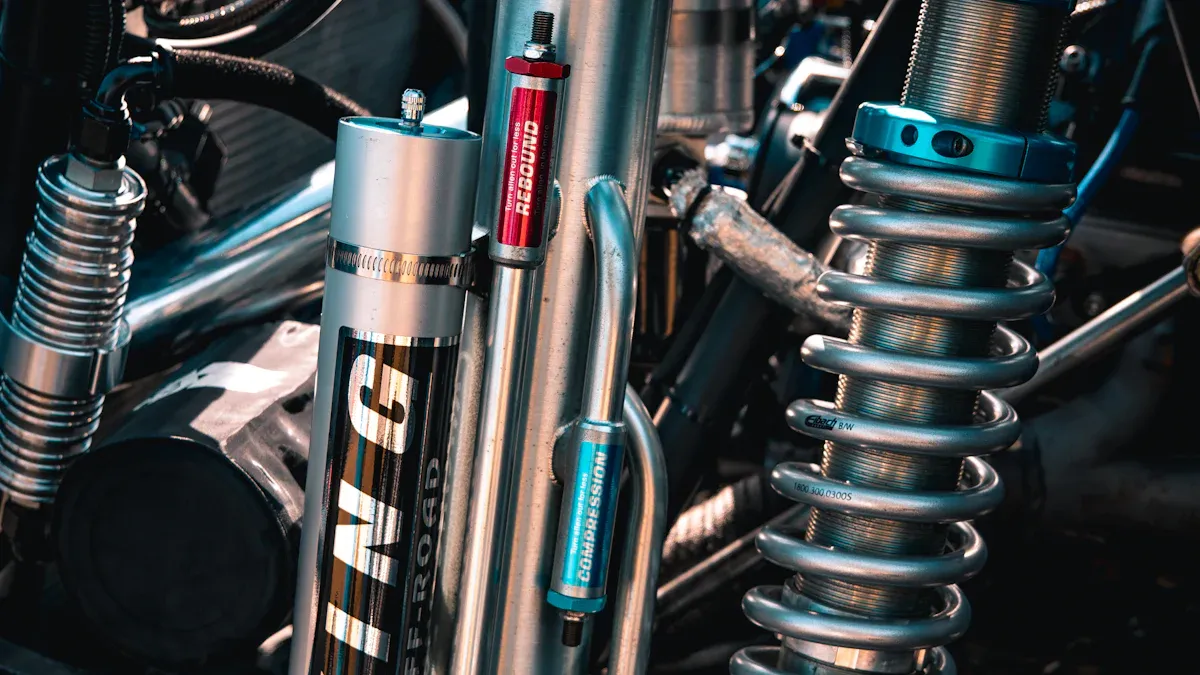
A complete suspension system has several important parts. These parts work together to keep your vehicle stable and comfortable. Knowing about these parts helps you see how they improve your vehicle’s performance.
Springs and Their Function
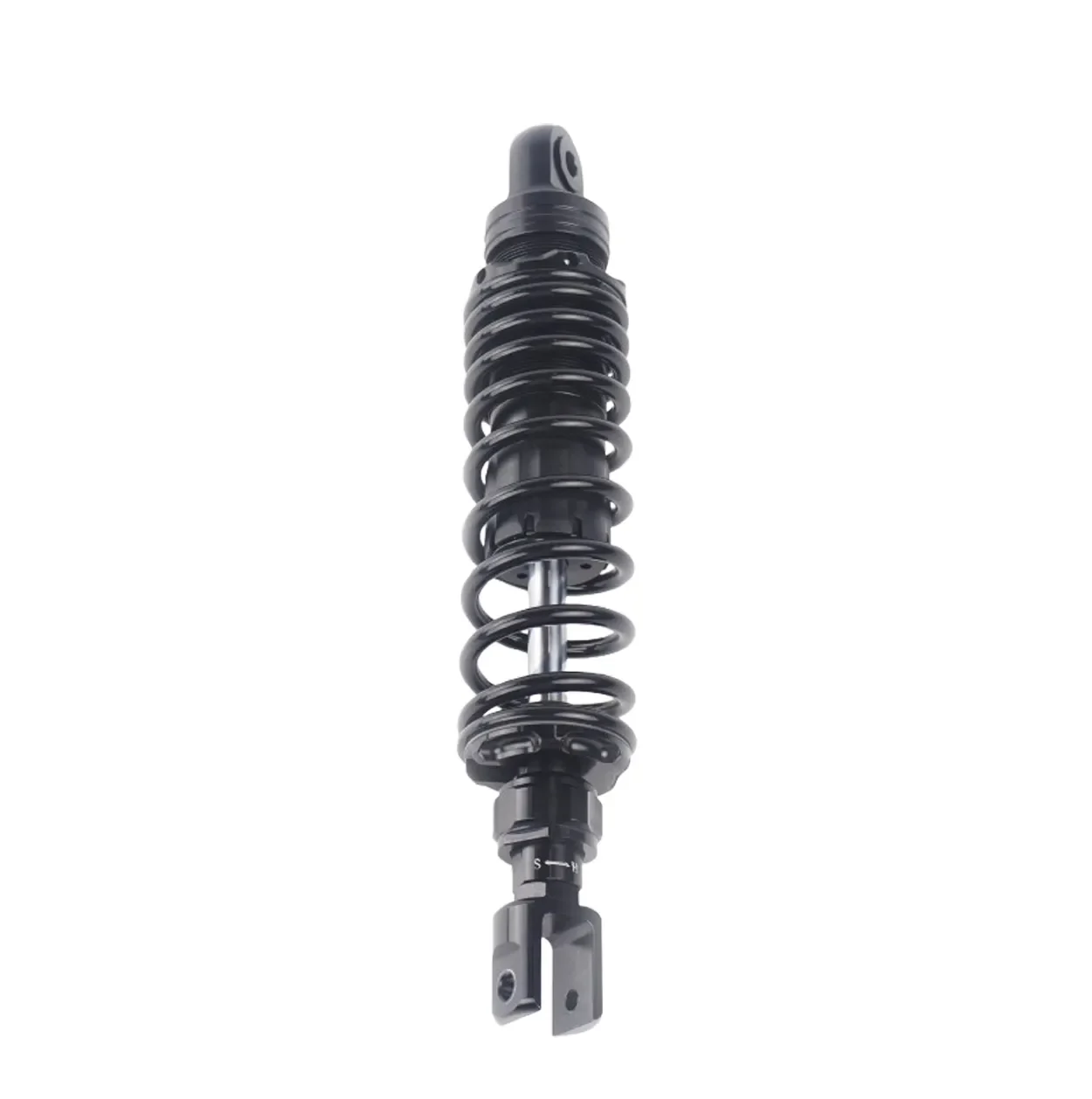
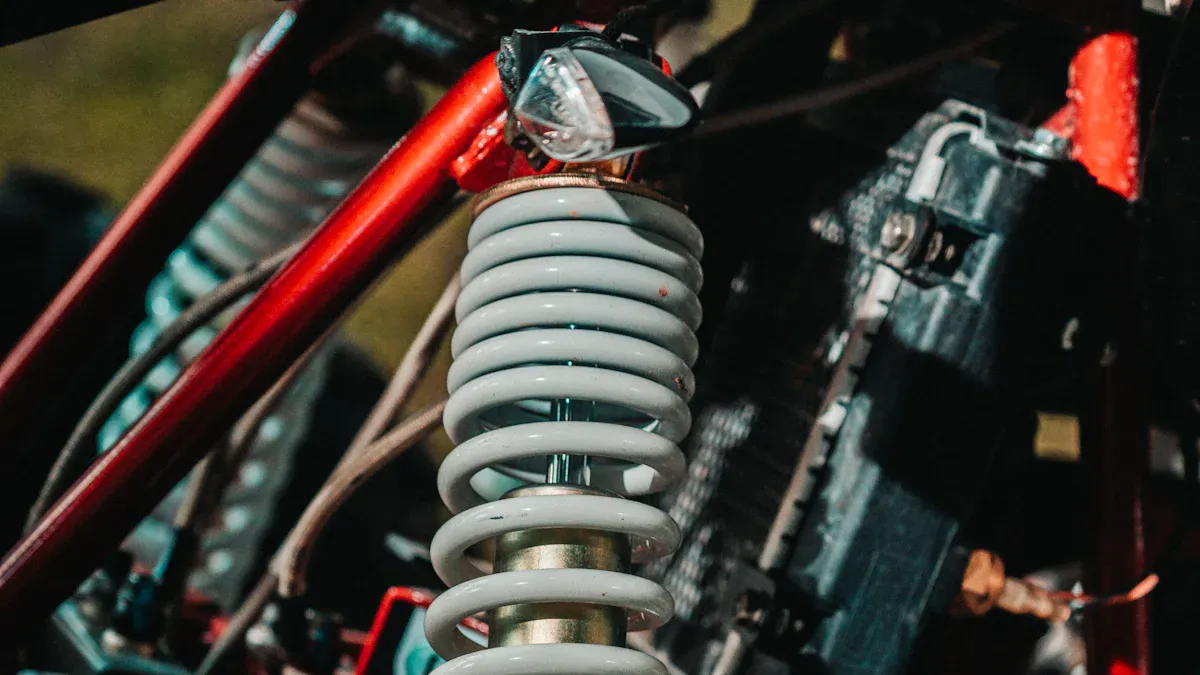
Springs are very important in your vehicle’s suspension system. They hold up the vehicle’s weight and soak up bumps from the road. This helps give you a smooth ride. There are different kinds of springs, like coil springs and leaf springs. Coil springs can compress and expand to absorb shocks from uneven roads. This keeps the tires in contact with the ground and improves stability. Leaf springs have been used since the 18th century. They are good at absorbing bumps and supporting heavy loads, making them great for trucks.
Support the vehicle’s weight to stop sagging.
Absorb road shocks for a smoother ride.
Keep tires in contact for better traction.
Air springs can change stiffness and damping. This helps keep ride quality steady, even when carrying heavy loads. They help spread weight evenly across axles and reduce stress on vehicle parts. Unlike regular springs, air springs keep a steady natural frequency. This is great for better vibration control and shock absorption.
Control Arms and Sway Bars
Control arms and sway bars are key for keeping your vehicle stable and easy to handle. Control arms connect the wheels to the vehicle’s frame. This allows the wheels to move properly and stay aligned. This connection is important for good handling and keeps the wheels aligned.
Sway bars, also called anti-roll bars, connect the left and right sides of your vehicle’s suspension. They help keep your car steady during turns by reducing body roll. When your car turns, weight shifts to the outside wheels. Sway bars push back against this movement. This gives you better control and a more level ride. This helps keep your vehicle safe by lowering the chance of rollovers and improving handling.
Benefits of Sway Bars:
Improve handling and cornering.
Allow for quicker steering and a smoother drive.
Reduce wear on your vehicle’s suspension parts by spreading out forces.
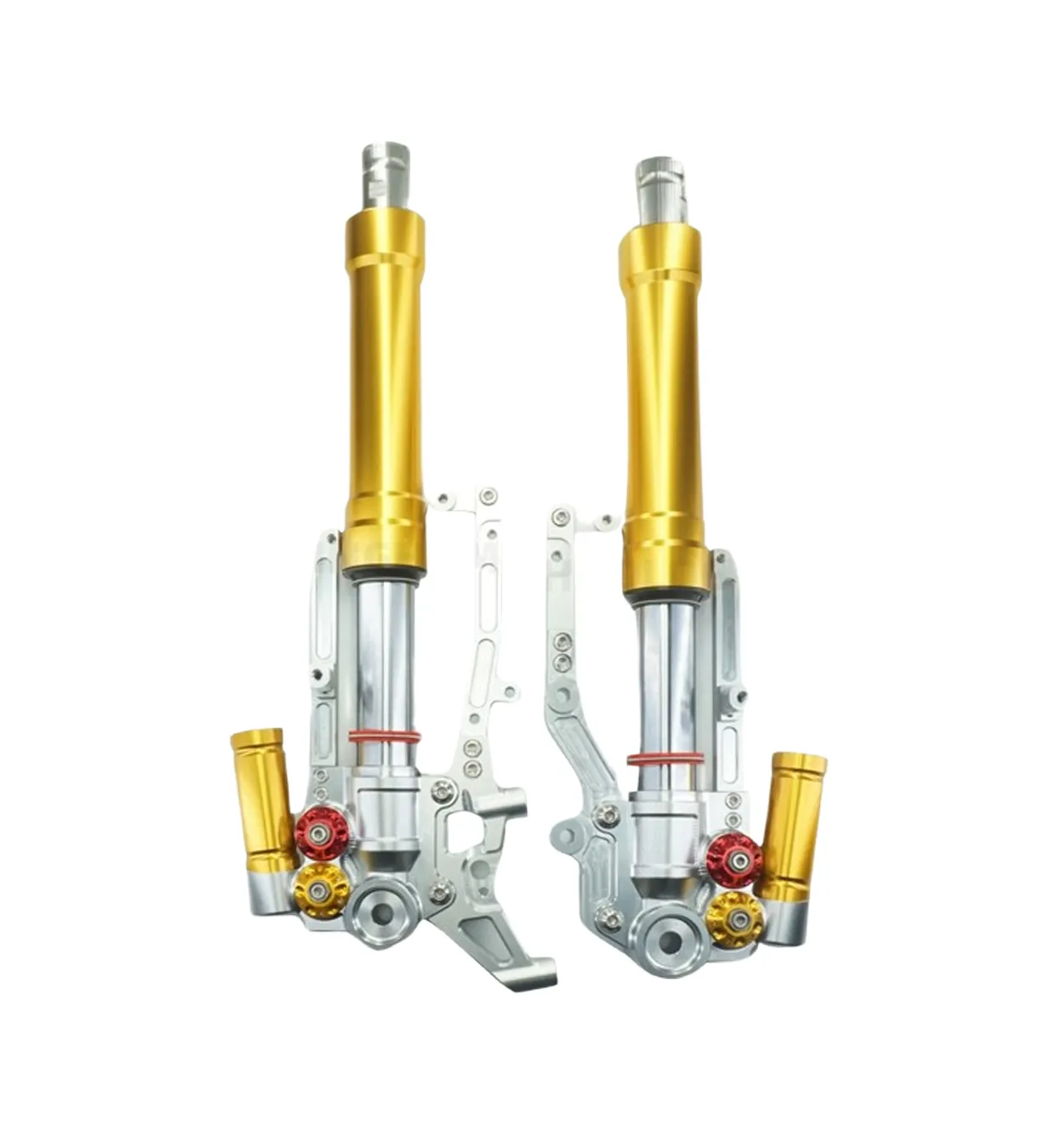
Kingham has many suspension products for different types of vehicles. For example, Kingham’s models for ATVs and UTVs have adjustable spring preload, rebound, and compression settings. This ensures the best performance in different conditions. These products improve your vehicle’s dynamics, giving you an edge in performance and safety.
Vehicle Type | Kingham Model # | Length | Adjustment Features |
|---|---|---|---|
ATV/UTV | H172 | 440-520MM | Spring Preload & Rebound & Compression Adjustable |
Golf Cart | H145 | 380-450MM | Spring Preload & Rebound & Compression Adjustable |
Recreation Vehicles | H192 | 495/520MM | Air Shock Absorber |
By putting these parts together, your suspension system absorbs shocks, keeps tire contact, and provides support. This is important for handling different loads, ensuring a smooth and stable ride.
Benefits of a Well-Maintained Suspension
Improved Comfort and Control
A well-kept suspension system is very important for a smooth ride. It helps soak up bumps in the road, which makes the ride more comfortable. If you upgrade to better shocks, you can improve ride quality by about 25% compared to older systems. This means less bouncing and swaying, keeping your vehicle steady and making passengers more comfortable.
A good suspension system helps your tires stay in touch with the road. This contact is key for good traction and handling. If your suspension breaks, your wheels might bounce or slide, especially on sharp turns or wet roads. Keeping tire contact steady stops too much bouncing, which improves your vehicle’s stability and control.
Enhanced Safety Features
Modern suspension systems have advanced safety features. Independent suspension lets each wheel move on its own, which helps with handling and stability. Air suspension changes automatically based on road conditions, making the ride better and more stable. Adaptive and active suspension systems use sensors to adjust in real-time for the best performance.
These systems also have electronic stability control (ESC) and anti-lock braking systems (ABS). ESC helps stop skidding by applying brakes to individual wheels, while ABS stops wheels from locking up when braking. These features help keep control on slippery roads, making driving safer.
Upgrading your suspension with high-quality shock absorbers can also help reduce driver tiredness. Advanced systems absorb shocks better, cutting down vibrations and helping drivers stay focused. This means less tiredness on long trips, which improves safety and comfort.
Adding high-quality suspension accessories can also raise your vehicle’s resale value. They absorb impacts better, protecting the vehicle’s frame and reducing wear. This saves money on repairs and helps keep performance strong over time.
Signs of Suspension Issues
Common Symptoms of Suspension Problems
You should know some signs that show your suspension system might need help. Watch for these common symptoms:
Clunking, squeaking, or knocking noises when driving over bumps.
The front of the car dipping quickly when you brake, which means there might be a problem.
Feeling every bump and dip while driving, which could mean damaged struts or coil springs.
Seeing that one corner or side of the vehicle is lower than the others.
Experiencing too much swaying or body roll when turning.
If you see any of these signs, it’s important to fix them quickly. Ignoring these signs can lead to bigger problems and higher repair costs.
Maintenance Tips for Shock Absorbers
Taking care of your shock absorbers is very important for a smooth and safe ride. Here are some tips to help keep your suspension system in great shape:
Inspect Shock Absorbers Regularly: Check your shock absorbers every 12,000 to 15,000 miles. If you drive on rough roads or see uneven tire wear, check them every 8,000 to 10,000 miles.
Replace Shock Absorbers When Needed: Usually, you should change shock absorbers every 50,000 to 100,000 miles. But if you see signs of worn shock absorbers, like too much bouncing or leaking fluid, change them sooner.
Keep an Eye on Tire Wear: Uneven tire wear can show suspension problems. Regularly check your tires for wear and have your suspension checked if you see any issues.
Consult Professionals: If you’re not sure about the condition of your shock absorbers, ask a professional mechanic. They can do a thorough check and suggest repairs.
By following these maintenance tips, you can make your shock absorbers last longer and improve your vehicle’s overall performance.
Switching to a full suspension program gives your car many perks. It boosts how well it works, keeps you safe, and makes rides comfier. Here are some main benefits:
Benefit | Description |
|---|---|
Better Car Performance | Improves how the car handles, turns, and stops. |
More Safety | Keeps tires on the ground during quick moves or emergencies. |
More Comfort | Makes rides smoother and gives better control of the car. |
Longer Car Life | Lessens damage to other parts by making the car work better overall. |
Getting a full suspension system not only makes driving better but also keeps your car safe and dependable on the road.
FAQ
What are the signs that my shock absorbers need replacement?
Watch for signs like too much bouncing, leaking fluid, or tires wearing unevenly. If your vehicle dips when you brake or makes clunking sounds over bumps, it’s time to check your shock absorbers.
How often should I inspect my suspension system?
Check your suspension system every 12,000 to 15,000 miles. If you drive on rough roads, inspect it more often, about every 8,000 to 10,000 miles, to keep it working well.
Can I upgrade my suspension system myself?
Yes, you can upgrade your suspension system yourself if you have the right tools and know-how. But, think about asking a professional mechanic for help with tricky installations to make sure it’s safe and works right.
What benefits do adjustable shock absorbers provide?
Adjustable shock absorbers let you change your ride. You can set them for comfort, handling, and performance based on how you drive and the road conditions.
How do I choose the right shock absorbers for my vehicle?
Think about your vehicle type, driving style, and how you plan to use it. Look into different shock absorber types and talk to professionals or check product details to find the best match for your needs.