







NVH control is very important. It makes sure products are good. It also makes customers happy. Cavitation, clicks, and squeaks are problems. If not fixed, they make users unhappy. They also hurt a brand’s name. This blog post shows how to find these problems. It also adds ways to stop them. This is part of a checklist. It is for an Assortment Playbook. This guide helps teams. They can handle NVH problems early.
Key Takeaways
NVH means Noise, Vibration, and Harshness. Good products control NVH. This makes customers happy.
Cavitation, clicks, and squeaks are NVH problems. Special tools find these problems.
Engineers fix NVH issues. They change designs. They change materials. They change how products work.
A checklist helps find NVH problems early. This makes products high quality.
Training keeps the NVH checklist useful. Updates also help. This makes products better.
Understanding NVH: Cavitation, Clicks, Squeaks
What is NVH and its Criticality
NVH means Noise, Vibration, and Harshness. These are bad things in a product. Noise is unwanted sound. It is not the sound you want. Engineers look at sounds from 30 to 4000 Hz. Vibration is shaking from a product. People feel shaking. They do not hear it. Harshness is how bad a sound or shake feels. It often comes from quick events. Harshness is a feeling. It is not easy to measure. Controlling NVH is key. It makes products good. It makes customers happy. Bad NVH makes users unhappy. It hurts a brand’s name. Noise can be airborne. This is sound in the air. It comes from fluid pressure. Noise can also be structure-borne. This is sound from a shaking part.
Defining Cavitation: Causes and Impact
Cavitation happens when bubbles form in liquid. Then they quickly pop. This harms machines. It also makes noise. Many things cause cavitation. Hot fluid is one cause. It makes fluid thin. This leads to bad oiling. Very hot or cold fluid can cause it. Keep the fluid at the right heat. Keep its thickness right. Too much system pressure also causes it. Bubbles pop under high pressure. They also pop with a quick pressure drop. This popping makes shock waves. These waves hurt hydraulic parts. Machine problems also cause it. Bad design can cause it. Poor upkeep can cause it. Leaky pipes cause it. Worn parts cause it. These make low-pressure spots. Air in the system causes it. Air gets in through leaky seals.
Defining Clicks: Sources and Perception
Clicks are short, sharp sounds. They show sudden moves. Or parts hitting each other. Loose screws cause clicks. Worn bearings cause clicks. Parts suddenly joining cause clicks. For example, brakes might click. This happens if parts move a little. Users hear clicks right away. They can be surprising. Clicks can mean things are not exact. Or parts are wearing out.
Defining Squeaks: Mechanisms and Annoyance
Squeaks are high, annoying sounds. They come from two surfaces rubbing. One way is stick-slip friction. This happens in bearings. The oil film breaks down. The movement makes a force. This force overcomes static friction. It causes fast and slow motion. This makes shakes and sound. Edge loading also makes squeaks. Stripe wear also makes squeaks. In ceramic bearings, force moves over a sharp edge. This damages both surfaces. This damage is called stripe wear. Friction-induced whirl vibration is another cause. The spinning part of movement can cause these shakes. This shaking is the cause of squeaking. Squeaks are very annoying. They are high-pitched. They happen over and over.
General NVH Diagnostic Methodologies

Systematic NVH Troubleshooting Framework
A good plan helps teams. It fixes NVH problems. This plan makes sure things are done in order. It goes from finding the problem to fixing it. First, you must know the problem. Then, you collect facts. To find the real cause, you need tools. You need skilled people. You also need to know the product well. Next, you look into why there is noise. You check for shaking or harshness. After finding the cause, you make changes. You change the design. Or you change the materials. This gets rid of the NVH problem.
Acoustic Analysis Techniques
Acoustic analysis looks at sound. It studies how sound works. Engineers use many ways. They find where noise comes from. They see how it travels. They measure how sound waves move. They use special tools for this. These tools do not touch the car. They scan in 3D. They check NVH in car insides. Teams test whole cars. They also test car parts. They do this in wind tunnels. They find out how parts make noise. They check sound-deadening stuff. This is called sound packages. A special method measures squeaks and rattles. Scanning tools show where sound comes from. They show it clearly. Other tools help find problems fast. They also help study sound. These are PicoScope NVH Kits.
Vibration Analysis Techniques
Vibration analysis finds bad movements. It shows what they are like. Engineers use computer models. These models check slow shakes. This is for things like engine shaking. Other models check fast shakes. These are for sounds above 1 kHz. For middle-speed shakes, they use other methods. These methods can check inside parts.
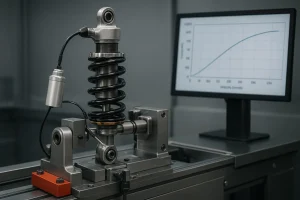
Special tests find shake problems. BSR testing finds certain noises. This is part of NVH plans. Modal testing uses software. It collects data from hits. It uses a hammer for this. This helps find how things move. Recording data from real use is important. This makes sure tests are correct.
Many ways process shake data. FFT analysis finds shake speeds. It shows how strong they are. This helps see changes. Spectrograms show shake changes over time. They show different shake types. They show strong signals. Octave band analysis groups sounds. It groups shakes into ‘bins’. This shows how people hear them. Order tracking watches engine speed changes. It links this to shakes. This finds shake sources.
Engineers use tools for shake data. Microphones get noise levels. Accelerometers get shake levels. Laser vibrometers also get shake levels. PicoScope NVH Kits help find problems fast. They measure shakes in 3 ways. Engineers use software too. It acts out driving. It checks car NVH. These simulations save time. They save money too. This is before making real parts. Other ways include acoustic holography. It shows noise sources. It shows their paths. Transfer path analysis finds how noise moves. It finds how shakes move. Operational deflection shape analysis measures shakes. It checks how a part shakes.
Material Science & Tribology
Materials and friction matter a lot. They change NVH. Tribology studies rubbing. It studies wear and oil. In clutches, friction affects NVH. Bad friction makes shaking. If friction is too low, it shakes a lot. If friction is higher, it stops shaking. This makes things more steady.
In stern bearings, soft parts help. They share the weight. They stop bad rubbing. They make sure pressure is even. This stops friction noise. Special alloys stop shaft shakes. They stop them from going to the base. This makes shakes better.
Oils are also key. Special oils lower rubbing. More of these oils mean less rubbing. Oils with certain ingredients help. They absorb shock. They lower noise. Oils that are thick and stretchy work best. They keep rubbing and wear good. This makes things work better. Oils with tiny bits reduce gear noise. They do this at different speeds. Housing designs with slots help. They stop sound in gearboxes. This is for sounds from 20 Hz to 20 kHz. Greases with certain plastics help. They stop shakes. They also handle heat better.
Environmental Factors on NVH
Outside conditions change NVH. Temperature changes materials. It changes how stiff they are. It changes how they absorb sound. Cold makes materials break easily. This makes more noise and shakes. Hot makes materials soft. This changes how they absorb sound. Humidity also changes NVH. Water makes materials swell. Or it makes them break down. This causes more rubbing. Or it makes parts loose. Dust and dirt get into parts. They make them wear out faster. They make unwanted sounds. Road conditions cause shakes. Rough roads or potholes do this. Wind speed and direction cause noise. This is true for fast things. Engineers must think about these things. They must do this when designing. They must do this when testing. This makes sure NVH is good. It is good in all conditions.
Specific Diagnostics for Cavitation
Identifying Cavitation
Finding cavitation needs special tools. It needs special ways. Engineers use many methods. They find these bad vapor bubbles.
Primary Function | Aspect Addressed | |
|---|---|---|
Vibration Analyzer | Measures shake levels. It finds pattern speeds. | Finds machine problems. Finds cavitation shakes. |
Acoustic Emission Sensor | Catches high-pitch noise from cavitation. | Finds cavitation by sound. |
Ultrasonic Detector | Measures high-pitch noise from cavitation. | Finds vapor bubbles without touching. |
Pressure Gauge | Checks pressure going in and out. | Makes sure NPSH is good. Finds pressure drops. |
Flow Meter | Measures how fast fluid moves. | Finds uneven flow. Finds blocks. |
Other ways look at certain signals. They find a clear sound. It is at half blade passing speed. This often shows cavitation starting. Engineers also use computers. They use shake and pressure signals. This helps find how bad blocks are. It finds how bad cavitation is. Fast cameras look at cavitation start. They look at its growth. They take pictures of quick fluid changes.
Cavitation Root Cause Analysis
After finding cavitation, engineers find its cause. This process finds why cavitation happens. They look at data from tools. For example, low pressure readings. These might mean not enough Net Positive Suction Head (NPSH). Shake patterns can show machine problems. Or they show worn parts. Sound patterns help tell cavitation apart. They tell it from other sounds. Looking at flow meter data shows problems. It shows blocks in fluid flow. This helps find bad pump choice. It finds bad pipe design. Or it finds wrong settings.
Cavitation Mitigation Strategies
Stopping cavitation uses many plans. These plans focus on design. They focus on how it works. They focus on upkeep.
Adjusting operational parameters: Engineers change pump speed. Or they change system pressure. This keeps fluid pressure high. It keeps it above its vapor point.
Optimizing pump and piping: They pick pumps that fit the fluid. They fit system needs. They design pipes to be smooth. This keeps pressure even.
Implementing control techniques: Things like vortex breakers help. Anti-vortex plates in the pump inlet help. They make flow better.
Modifying components: Engineers might change the pump impeller. They can use an inducer. Or they change blade shape.
Ongoing monitoring: Putting in sound or shake sensors helps. It gives real-time data. This finds cavitation early.
Regular maintenance: Checking pump parts is key. Seals, bearings, and impellers are checked. This keeps things working well.
These steps help stop cavitation. They make systems last longer.
Specific Diagnostics for Clicks
Pinpointing Click Sources
Engineers find where clicks come from. They use different ways. They first listen closely. Workers use special tools. These are acoustic stethoscopes. They make sounds louder. They find the exact spot of a click. Shake sensors also find quick moves. These sensors go on different parts. They record small bumps or shifts. Fast cameras can film parts hitting each other. This shows parts touching. Special computer programs study sound. They tell clicks from other sounds. This careful way finds the right source.
Click Root Cause Analysis
After finding a click, engineers find why. They check parts for loose screws. Loose bolts let parts move. Worn bearings can cause play. This play makes clicking sounds. Bad assembly often causes clicks. Parts not lined up right cause problems. Wrong tightening also causes it. Material tiredness also plays a part. Parts under stress can crack a little. These cracks make clicks. Engineers check design plans. They compare them to the product. This helps find mistakes.
Click Mitigation Strategies
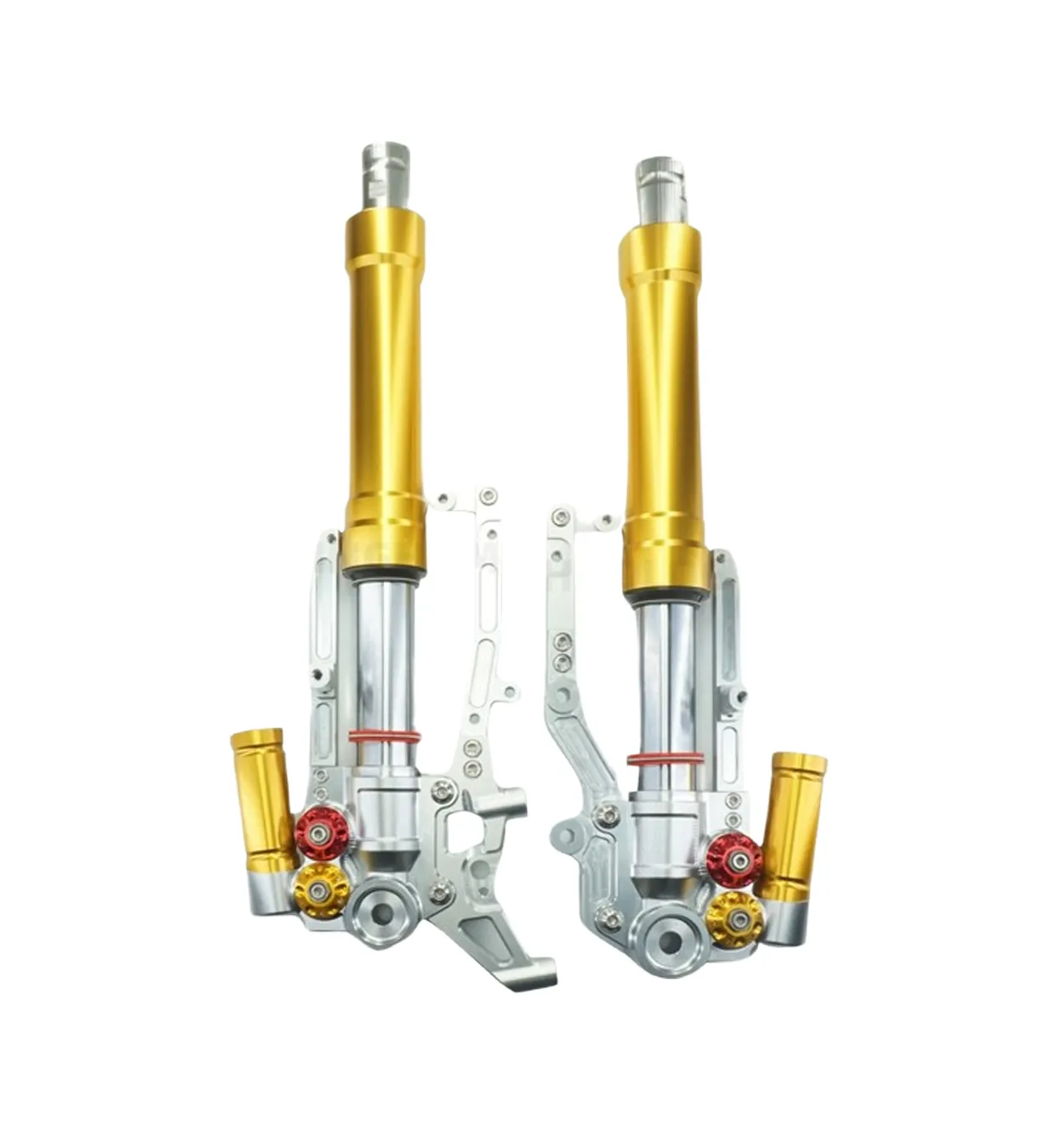
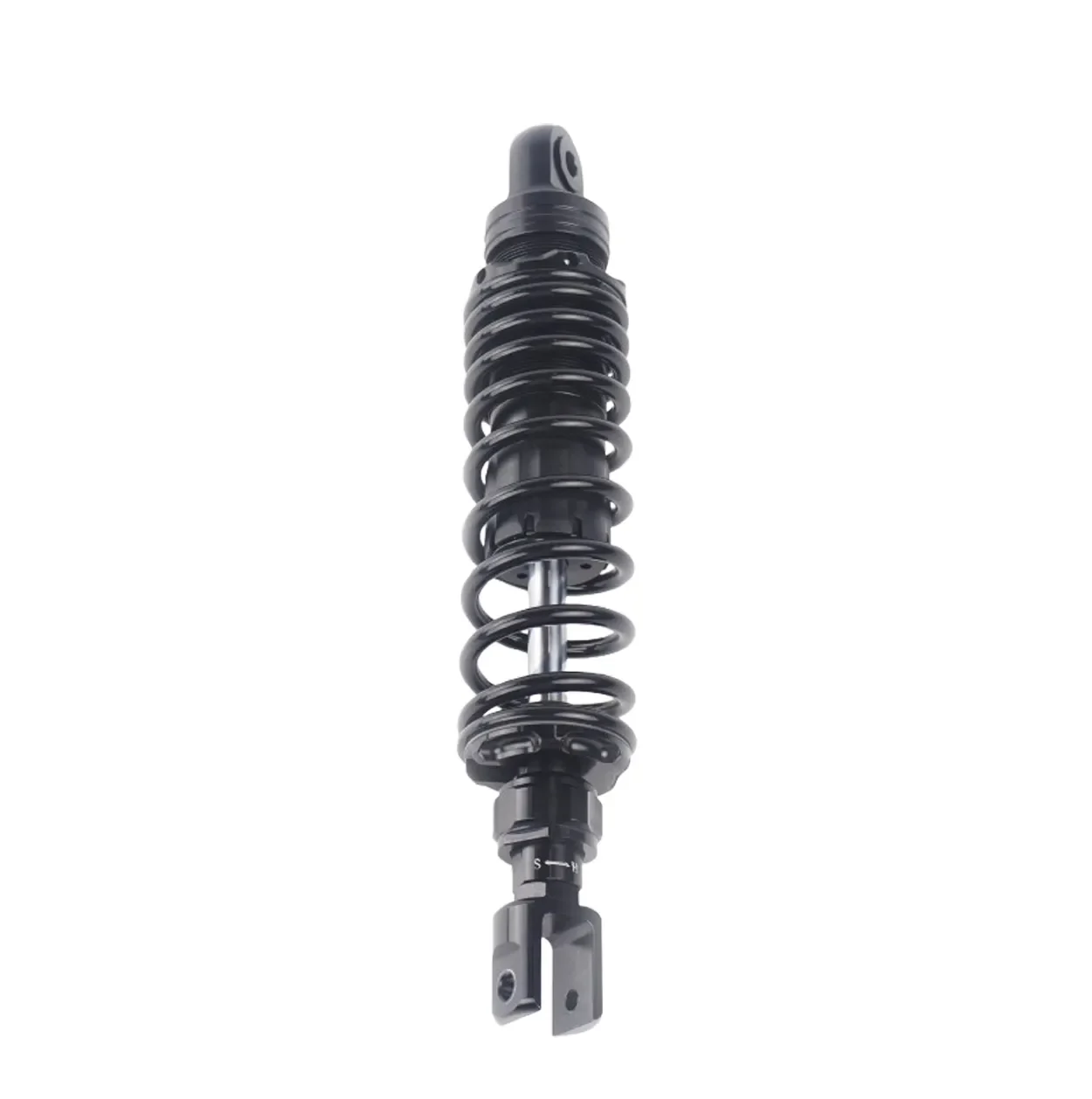
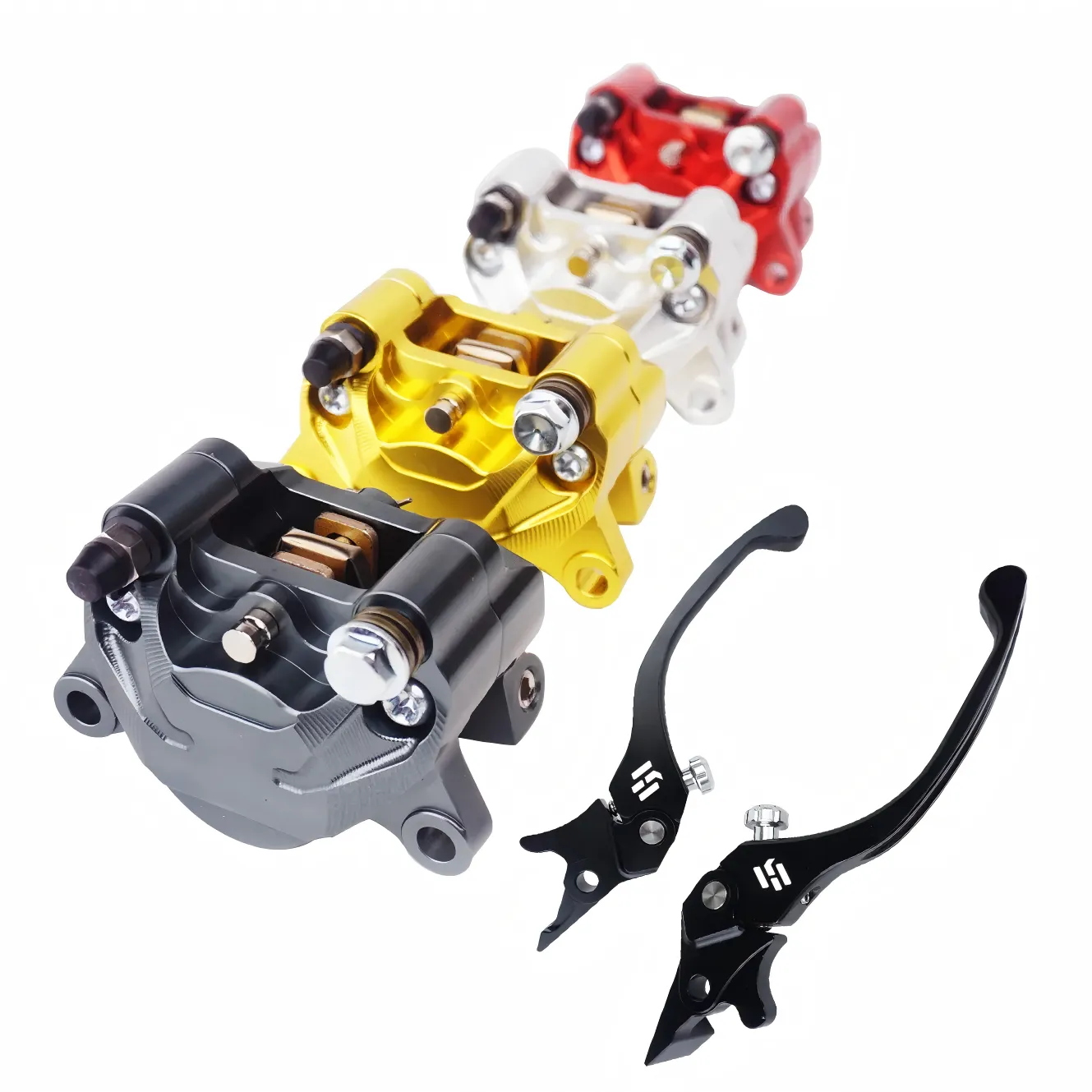
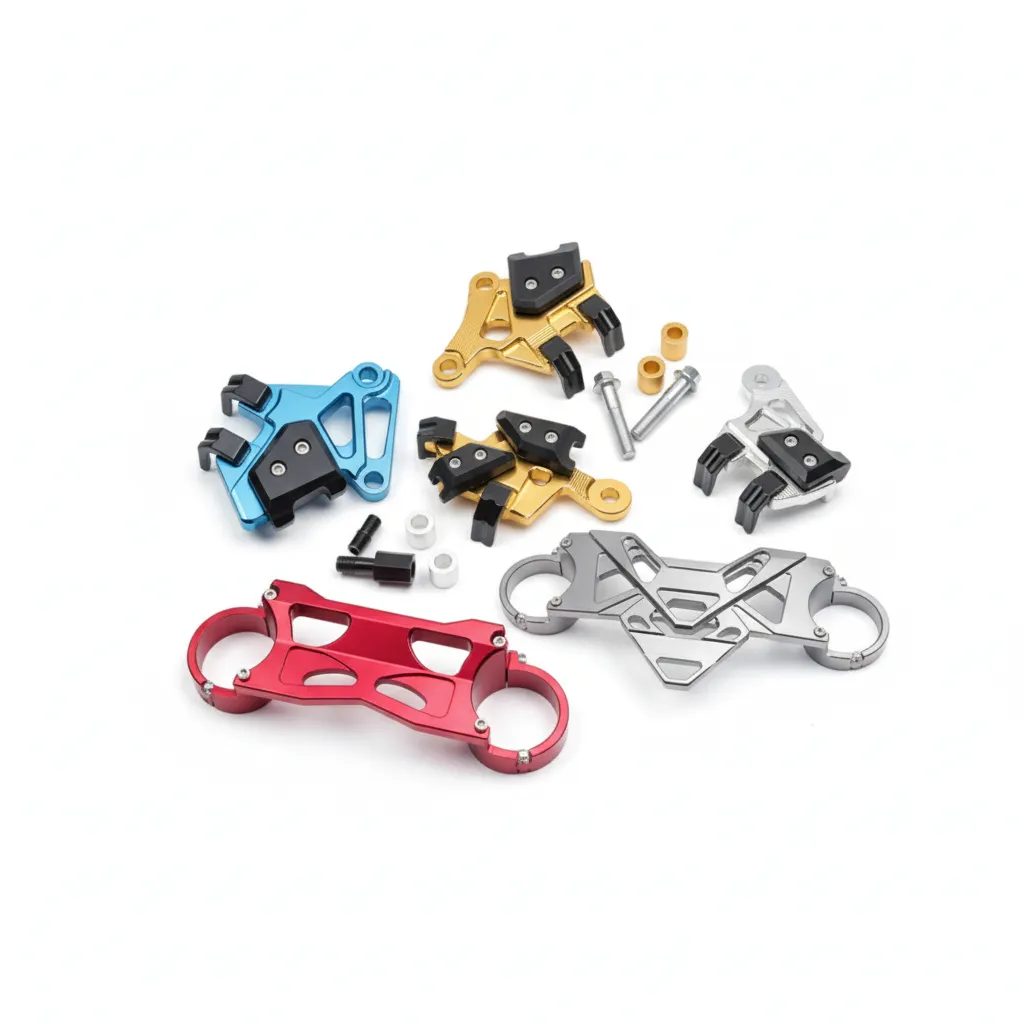
Stopping clicks needs good design. It needs strong assembly. Makers make parts fit tightly. This stops unwanted movement. Kingham‘s parts show this. Their shock absorbers stop clicks. Their brake parts also stop clicks. They do this by exact making. Kingham uses special machines. These machines make parts very exact. This exactness makes small gaps. It stops parts from moving or hitting. Strong assembly also stops clicks. Tightening screws correctly helps. Good materials stop wear. Kingham’s finishes make things last. These finishes stop rubbing. Regular care also stops clicks. Workers check and tighten parts. They change worn parts fast. These steps make a quiet product.
Specific Diagnostics for Squeaks
Locating Squeak Origins
Engineers find where squeaks start. They listen closely. Workers use special tools. These are acoustic stethoscopes. They make sounds louder. They find the exact squeak spot. Shake sensors also find quick moves. These moves are from squeaks. Sensors go on different parts. They record small shakes. Thermal cameras show hot spots. Rubbing makes heat. The camera sees this heat. This way finds where squeaks come from.
Squeak Root Cause Analysis
Engineers find why a squeak happens. Rubbing parts cause most squeaks. This is “stick-slip.” Parts rub without oil. This makes the squeak. Worn parts also squeak. Bearings get rough. Bad assembly makes parts rub. Loose screws let parts move. Dust or water can make more rubbing. Engineers check materials. They check oil. They check how parts fit. This finds the real cause.
Squeak Mitigation Strategies
Good design stops squeaks. Good materials stop squeaks. Less rubbing between parts is key. Good oil is very important. Engineers pick materials that rub less. Kingham uses good materials. These materials rub less. They wear less. Kingham’s shock absorbers use new materials. Their brake parts are built well. Special finishes make parts last. They make a smooth surface. This surface rubs less. It stops squeaks. Regular care helps too. Workers check parts. They add oil. They change worn parts fast. This makes a quiet product.
Making an NVH Checklist Before Delivery
Why a Standard NVH Checklist is Important
A standard NVH checklist is very important. It makes sure products are good. It checks every product the same way. This helps find noise problems early. It stops customers from being unhappy. It also protects the brand’s name. Without a checklist, teams might miss problems. This can cause expensive fixes. It can also cause returns. A good plan makes sure products are high quality. It shows a promise to be excellent.
What Makes a Checklist Good
A good NVH checklist has clear steps. It helps workers check things well. A key part is checking noise. Workers drive the product. They drive on different roads. They drive at different speeds. They listen for buzzes. They listen for squeaks. They listen for rattles. This includes checking for loud thuds. It also checks for strange shaking. These problems often happen at certain speeds. For example, at 50-55 MPH. The checklist also lists spots to check. It checks for cavitation. It checks for clicks. It checks for squeaks. It has clear pass or fail rules. It also needs good notes. This helps track problems. It helps confirm fixes.
Adding to the Assortment Playbook
Adding the NVH checklist helps quality control. The Assortment Playbook is a full guide. It is for making products. It is for managing them. Putting the checklist there helps. It makes sure it is used for all products. This makes quality checks the same. It also helps fix NVH early. Teams can easily find the checklist. They know its role. This means every product is checked. This includes Kingham’s parts. This makes the checklist key. It is a vital part of the playbook.
Training and Using the Checklist
Good training is key. It helps use the NVH checklist well. Training should include key people. They help make the checklist. This makes it easy to use. It helps people use it. Teams must test the checklist. They test it in fake and real places. This helps use it right. It helps people accept it. Regular training is also needed. These sessions should happen often. They should happen every 3–6 months. This keeps skills sharp. It makes the checklist a habit. Studies show training helps confidence. It also helps people think it is useful. This means fewer mistakes. It means fewer errors in tests. Good training helps workers. They can find NVH problems. They can report them. This makes the quality better. It makes the playbook stronger.
Making it Better Over Time
An NVH checklist is not set in stone. It needs to get better. It needs changes. Teams should check it often. They should see if it works. They should look at worker feedback. They should look at customer reports. This data helps find common problems. It finds areas needing more work. New tech or designs may need updates. For example, Kingham makes new parts. The checklist must change with them. This process keeps the checklist good. It keeps it working well. It helps keep products high quality. This makes the whole playbook stronger.
NVH Case Studies and Best Practices

Successful NVH Problem Resolution
Many companies fix NVH problems. Tesla’s Model Y shows one way. Engineers use many layers. They use them for the front firewall. This includes fiberglass. It also includes foam. They add sound deadeners. These go on “drumming zones.” Special computer tests find these spots. Mastic pads help with low shakes. These pads go on flat parts. More sound deadeners go on aluminum parts. These are in the back. This stops parts from shaking too much.
Another example is for car parts. It is for NVH e-axle test cells. A research group made one. It tests many car engines. It tests electric ones. It tests hybrid ones. It tests gas ones. Its drive system has a special shaft. This shaft is in a quiet room. This stops noise from spreading. Machines that test power are outside. The part being tested gets less noise. The whole test system is separate. It is separate from the base. This makes sure it shakes well. It also has safety features. Workers can check noise. They check it at low speeds. They check it at low power.
Springs also lower NVH. They are used in many places. Buses and trains use them. They make rides smoother. They lower noise. Machines in factories use them. They lower shakes and noise. This makes workers more comfy. It makes machines last longer. Building machines use springs. They lessen bumps and shakes. This helps machines and workers. It makes things safer. It makes work faster. Boats use springs too. They lower shakes from waves. They lower noise. This makes rides better. It fixes NVH problems.
Kingham’s products also show good work. They fix NVH problems. They work for cars. They work for motorcycles. Kingham works with clients. They make custom parts. These parts lower noise. They lower shakes. This makes rides smoother. It makes them quieter.
Industry Best Practices for Noise Control
Top companies care about noise control. They add it to every step. This starts with design. It goes through making the product. A key step is early NVH tests. Engineers use special software. They guess noise problems. They do this before making real parts. This saves time. It saves money. It stops costly changes later.
Another good step is picking materials. Companies choose materials. These materials stop shakes. They soak up shakes well. They also lower sound. Keeping parts separate is key. Engineers use special parts. These parts separate shaking parts. They separate them from the main body. This stops noise from moving.
Making parts very well is important. It makes sure parts fit. This stops clicks. It stops squeaks. Kingham shows this care. Their research and making are top-notch. They use many machines. This makes parts very exact. Kingham also has a special quality badge. This shows they care about quality. These steps are key for NVH control. They are key for motorcycle parts.
Testing often is also important. Products are tested a lot. They are tested in labs. They are tested in real life. This checks if noise control works. They also get feedback. They get it from complaints. They get it from fixes. This helps make better designs.
NVH Tools and Technologies
Special tools help with NVH. They help engineers find noise. They help fix noise. Pico Technology has many kits. One kit measures shakes in 3 ways. It measures X, Y, and Z. Another kit measures shake or sound. It does this in one spot. A bigger kit measures shake or sound. It does this in four spots.
These kits have key parts. They have an NVH box. They have a shake sensor. A microphone catches sound. Cables and magnets are also in the kits. Other special tools help too. There is a smart shake checker. There is another shake sensor. A special cable also helps.
A kit from Pico Technology fixes many NVH issues. It measures shakes in three ways. It also measures shake or sound. It does this in four spots. The software shows data live. It shows graphs. It shows charts. It shows speed views. It shows time views. It can record data. This is before driving. This helps later. It lets the driver focus. Recordings can be saved. They can be shared.
Kingham also uses special NVH tools. Their own test places are key. Their research center is also vital. These places make NVH solutions. They test them. They test them for Kingham’s parts. This makes sure their motorcycle parts are good.
A good plan for NVH is very important. It helps a lot. Using ways to find problems helps. A checklist before delivery helps too. This checklist goes into the Assortment Playbook. It makes fewer bad products. Customers will be happier. People will trust the brand more. NVH control keeps changing. Companies should stay updated. This helps them make good products.
FAQ
What does NVH stand for?
NVH means Noise, Vibration, and Harshness. These are bad feelings. They come from a product. Engineers try to make them small. This makes products better. It makes users happier.
Why is NVH control critical for products?
NVH control is very important. It makes products good. It makes customers happy. Bad noise or shaking makes users unhappy. It hurts a brand’s name. Good control makes products great.
How do engineers identify cavitation, clicks, and squeaks?
Engineers use special tools. They use stethoscopes for clicks and squeaks. Vibration tools find cavitation. They find other movements. Ultrasonic tools find cavitation bubbles. Fast cameras see parts move quickly.
What is the purpose of a pre-delivery NVH checklist?
An NVH checklist helps quality. It finds noise and shakes. It finds harshness. This is before products go out. This plan lowers problems. It makes customers happier.