


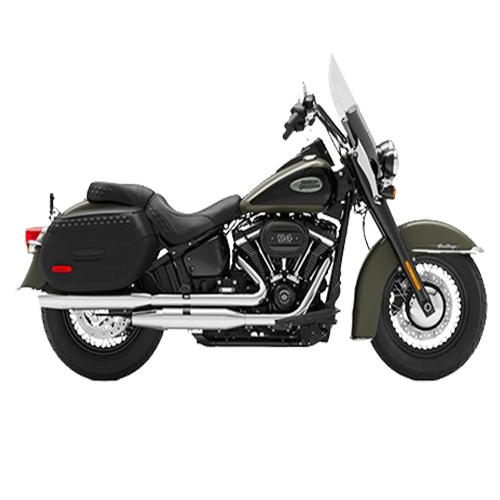
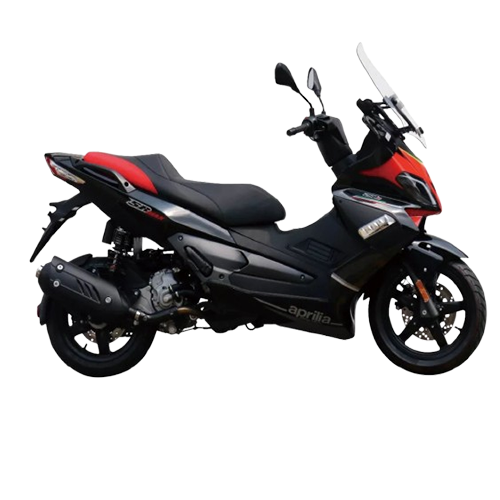
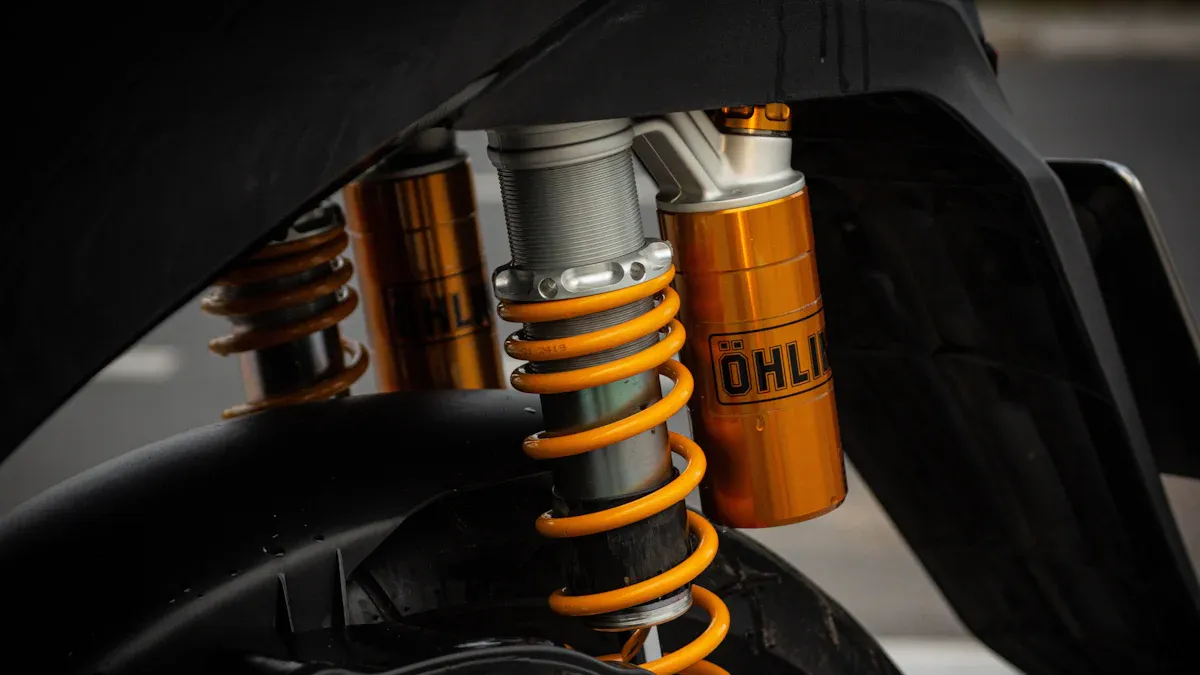
Damping options in front suspension kits are very important. They help improve your ride quality and handling. These options let you absorb shocks and vibrations well. This makes your ride smoother on the road. Adjustability helps you change the suspension to fit your needs. This ensures you have the best comfort and control. Also, knowing your rider profile is key. Your weight and riding style matter a lot. This can change how you set up your suspension. This knowledge helps you make smart adjustments for a better ride.
Key Takeaways
Damping options are very important for a better ride and handling on sport bikes. Changing compression and rebound damping makes riding more comfortable and gives you better control.
Knowing your rider profile, like your weight and riding style, helps you set up your suspension for the best performance and safety.
Adjustable suspension systems let you change your ride based on road conditions and what you like, making it more fun.
Always check and change your suspension settings to keep stability and traction, especially after big changes in weight or terrain.
Kingham‘s suspension products have special features for different riding styles, making sure you find the right setup for you.
Damping Options in Front Suspension
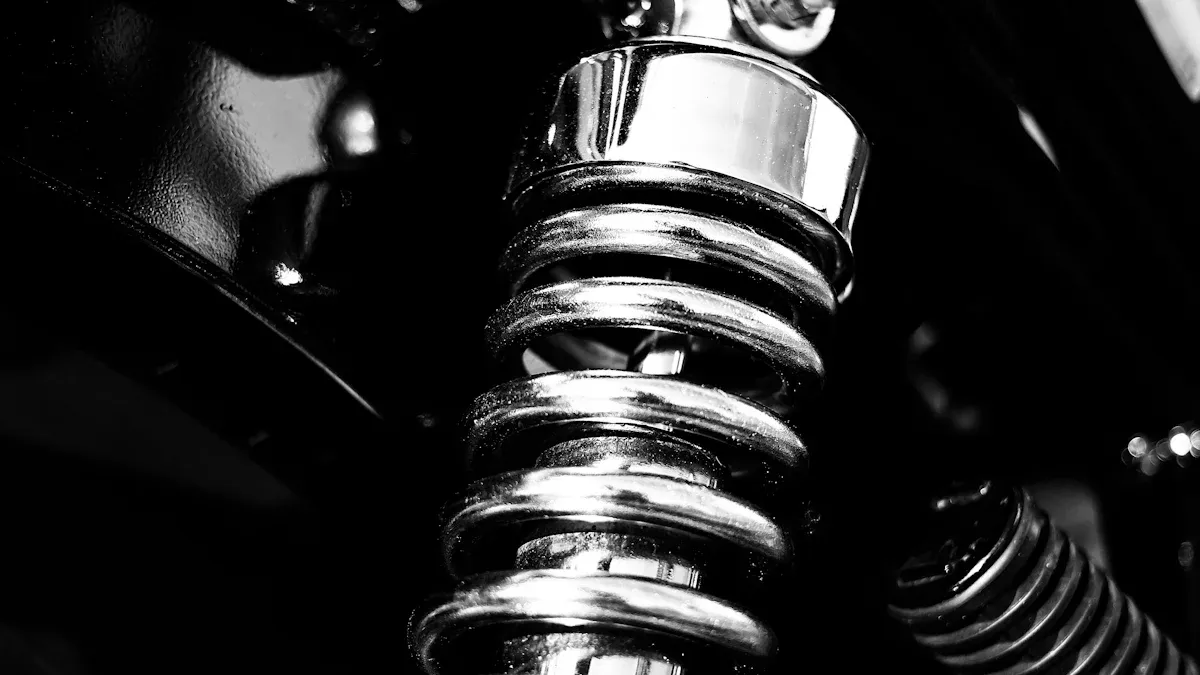
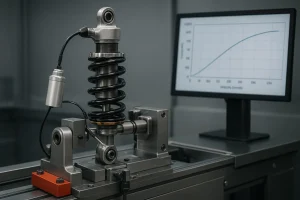
When you think about front suspension kits, knowing the types of damping is very important. Damping affects how your motorcycle handles different road conditions. It helps control how energy is used in the suspension system. This makes your ride smoother.
Compression Damping
Compression damping controls how fast the suspension compresses when you hit bumps or potholes. This adjustment is key for keeping control and comfort. Here are some important points about compression damping:
It stops quick compression that can cause loss of control or discomfort.
Good settings of compression damping are needed for the best ride quality and handling.
Not enough compression damping can make your motorcycle feel unclear or bouncy. Too much can make the ride rough over small bumps.
Symptoms | Effects on Front-End Stability | |
|---|---|---|
Insufficient Compression | Too much front-end dive, unclear feel, bottoming out | Leads to poor grip and control when braking hard |
Too Much Compression | Rough ride, front end sits high, less brake dive | Can upset chassis stability, affecting corner handling |
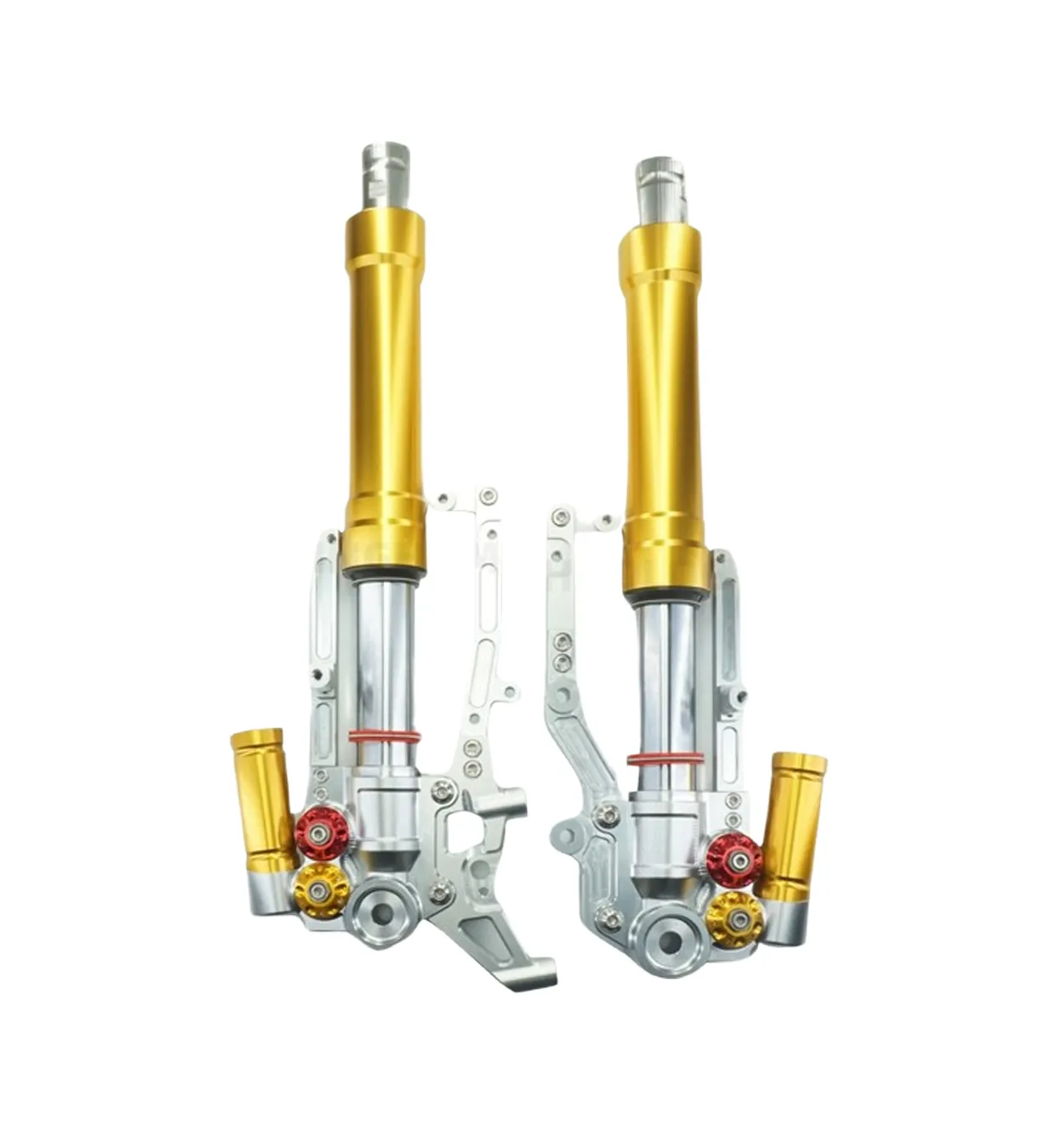
Kingham’s front shock absorbers improve handling by giving adjustable compression damping. This feature lets you adjust your suspension based on your riding style and road conditions. With Kingham’s technology, you can change the damping to fit your needs, making your ride more controlled and enjoyable.
Rebound Damping
Rebound damping controls how fast the suspension goes back after compression. This adjustment is important for keeping traction and stability. Here are some key points about rebound damping:
Good adjustment is needed for keeping traction and stability.
Not enough rebound damping can make your ride feel wobbly. Too much can stop the wheel from getting traction back.
Not enough rebound damping can cause instability and too much movement, risking loss of control.
Effect | Description |
|---|---|
Makes the suspension return too slowly, risking loss of wheel contact with the road. |
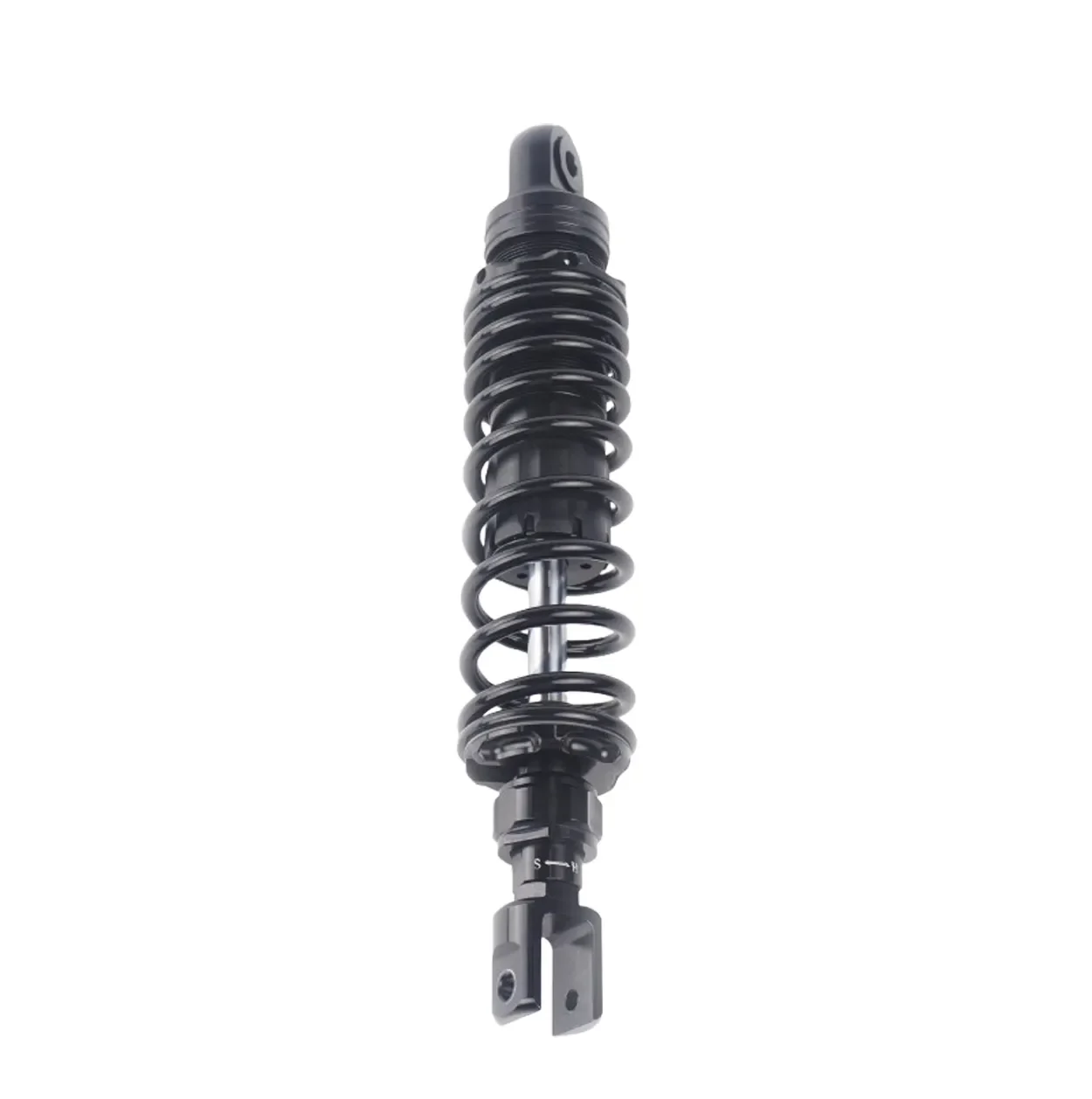
Kingham’s advanced damping technologies have adjustable rebound damping. This helps you keep tire contact and traction when turning. This feature makes sure your motorcycle reacts quickly to road surfaces, improving your overall riding experience.
Importance of Suspension Adjustability
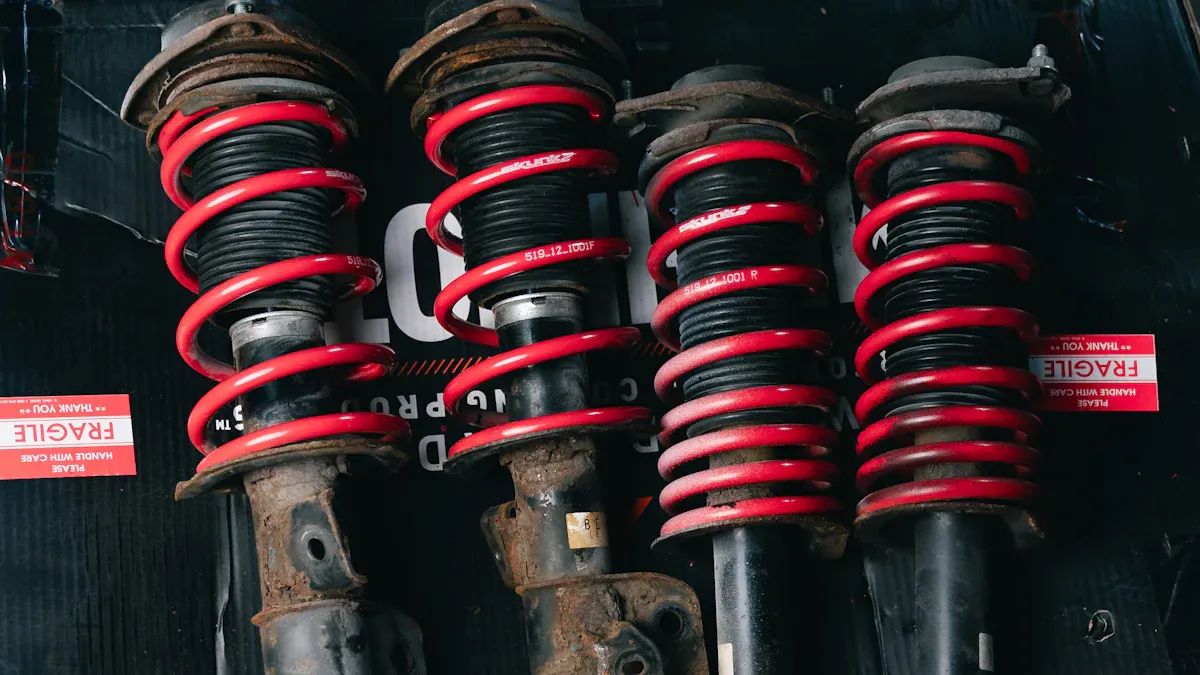
Adjustable suspension systems are very important for your ride. They let you change how your motorcycle performs based on what you like and the road conditions. Here are some main benefits of having adjustable suspension:
Benefits of Adjustability
Improved Comfort: Adjusting the preload helps your motorcycle sit at the right height. This makes riding more comfortable, especially on long trips.
Enhanced Handling: With adjustable damping settings, you get better control during rides. This feature helps you handle different road conditions well.
Increased Stability: Stiffer damping settings give you better stability when riding aggressively. You will feel more confident when turning or braking hard.
Superior Damping Control: Aftermarket shocks have advanced valving for better control over suspension. This lets you fine-tune your ride for the best performance.
Benefit | Description |
|---|---|
Improved Comfort | Proper preload adjustments make riding more comfortable by keeping the motorcycle at the right height. |
Enhanced Handling | Adjustable damping settings help with better control and predictability while riding. |
Increased Stability | Stiffer damping settings improve stability during aggressive riding. |
Superior Damping Control | Aftermarket shocks provide advanced valving for better control over suspension. |
Adjusting suspension settings is very important for better grip and handling. This change helps improve lap times and makes your ride better overall. A well-tuned suspension gives you more control over your bike, which leads to faster performance on the track.
Common Features in Kingham Products
Kingham’s front shock absorbers have many adjustable features for different riding styles. Here are some common features in Kingham products:
Brand | Model | Years | Kingham Model# | Length | Adjustment Features | Position |
|---|---|---|---|---|---|---|
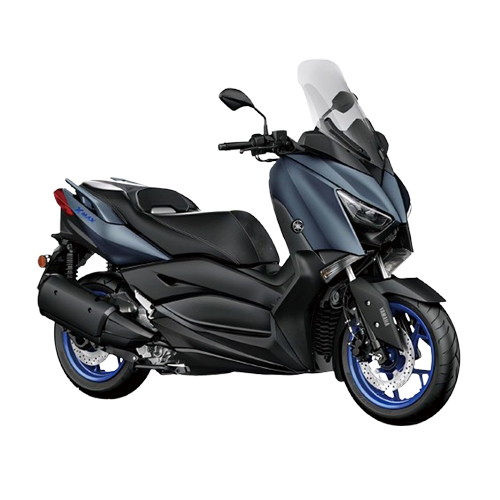
NMAX 155 | 2017-2025 | Q079 | 430MM | Rebound & Compression Adjustable | Front | |
Yamaha | NMAX 155 | 2017-2025 | Q086B | 430MM | Rebound & Compression Adjustable | Front |
Yamaha | NMAX 155 | 2022-2024 | H158D | 305MM | Spring Preload & Rebound & Compression Adjustable | Rear |
Yamaha | NMAX 155 | 2022-2024 | H00A | 305MM | Spring Preload & Rebound Adjustable | Rear |
Yamaha | NMAX 155 | 2022-2024 | H133 | 305MM | Spring Preload & Rebound Adjustable | Rear |
Yamaha | NMAX 155 | 2022-2024 | H022 | 305MM | Spring Preload & Rebound Adjustable | Rear |
Yamaha | NMAX 155 | 2022-2024 | JH020 | 305MM | Spring Preload & Rebound Adjustable | Rear |
Yamaha | NMAX 155 | 2022-2024 | H00B | 305MM | Spring Preload & Rebound Adjustable | Rear |
Yamaha | NMAX 155 | 2022-2024 | H003 | 305MM | Spring Preload & Rebound Adjustable | Rear |
These adjustable features let you set your suspension for the best performance. Whether you are commuting or racing, Kingham’s products help you have the right setup for your needs.
Matching Suspension Specs to Market Segments
When picking suspension systems, knowing the market segments is very important. Different riders have special needs based on their motorcycle type and riding style. Here’s a simple breakdown of the main segments:
Motorcycles: This group needs high-performance suspension systems for better handling and stability. Riders often look for advanced parts that improve their experience on the road or track.
Scooters: These need lighter and cheaper suspension solutions. Comfort and ease of use are key for city commuting.
Electric Two-Wheelers: This new group focuses on new technology and light materials to boost performance and efficiency.
Entry-Level vs Performance Kits
You will see two main types of suspension kits: entry-level and performance-focused. Each has different uses and comes with its own pros and cons.
Pros | Cons | Best for | |
|---|---|---|---|
Inverted Forks | Lighter weight, stiffer design, better feedback and precision | More costly, exposed parts can get damaged, higher repair costs | Sport bikes, track-focused machines, performance-oriented riders |
Telescopic Forks | Simple design, widely supported, easy to fix, cost-effective | Can flex under heavy loads, limited adjustability on basic models | Commuters, standard bikes, cruisers |
Entry-level kits, like the Timbren Front Suspension Enhancement System, focus on basic load support and comfort. They are great for riders who want affordability and easy maintenance. On the other hand, high-performance kits improve handling and stability. They often have advanced parts like camber kits for adjusting wheel alignment, which helps with traction and cornering.
Avoiding Over-Specification
When choosing suspension parts, avoid over-specifying. You should think about your riding style and the conditions you usually face. Tuning your motorcycle’s suspension is key for better comfort and safety. Things like your weight and the type of terrain you ride on should help guide your adjustments.
Understanding Sag: Aim for 25-30% of total travel for the best performance.
Measuring Front Sag: Have a friend mark the rubber ring on the stanchion, then get off and measure how far it moved.
Measuring Rear Sag: Similar to front sag, but measure from the shock body.
By matching the right suspension specs to your needs, you can have a better riding experience.
Rider Profiles and Suspension Setup
Weight Considerations
Your weight is very important for setting up your motorcycle suspension. Getting the right suspension sag helps with performance. Here are some key points to remember:
Rider sag is how much the suspension compresses when you sit on the bike.
Correct sag settings stop problems like bottoming out when braking or turning.
You can adjust sag using preload settings based on your weight.
To get the right sag, follow these steps:
Make sure all parts are in good shape and have no oil leaks.
Lift the front wheel and measure the exposed part of the fork leg (L1).
With you in full gear, measure the exposed part of the fork again (L2).
Calculate the sag (L1 – L2), aiming for about 1/3 to ¼ of total suspension travel.
Change the preload on the forks to get the right sag.
Do the same for the rear suspension.
Set compression and rebound damping for both front and rear.
Riding Style Adjustments
Your riding style also affects how you should set up your suspension. For example, track racing needs stiffer suspension for hard braking and fast acceleration. On the other hand, street riding needs a more flexible setup for different road conditions.
Riding Style | Compression & Rebound Adjustments | Fork Oil Change Interval | Shock Oil Change Interval |
|---|---|---|---|
Street Riding | Every 5,000 to 7,000 miles | Every 8,000 to 10,000 miles | |
Track Riding | Continuous evaluation | Every 10 days | Every 1 to 2 years |
Aggressive riders may need to adjust their suspension more often. Casual riders can keep their setup longer. By knowing your weight and riding style, you can adjust your Kingham suspension systems for a better ride and improved handling.
In conclusion, knowing about damping options and adjustability is very important for improving your sport bike’s performance. Here are some main points to remember:
Adjusting rebound and compression damping is key for comfort, handling, and safety.
Rebound damping controls how fast the suspension goes back, which affects stability and traction.
Compression damping controls how quickly the suspension compresses, making your ride more comfortable and controlled.
You should also think about your rider profile. Changing your suspension can make your ride feel more personal. This helps with comfort and lowers the chance of injury. Try out Kingham’s products to find the best setup for your riding style. Have fun riding!
FAQ
What is the purpose of suspension in a motorcycle?
Suspension helps soak up bumps from the road. It makes your ride more comfortable and easier to handle. A good suspension keeps your motorcycle steady when turning and braking.
How does rebound damping affect my ride?
Rebound damping controls how fast the suspension goes back after it compresses. Adjusting it right helps your tires stay on the road, which improves grip and stability.
What is the difference between high-speed and low-speed damping?
High-speed damping deals with quick movements, like hitting bumps. Low-speed damping manages slower movements, like when you turn. Both settings help with handling and comfort.
How often should I adjust my suspension settings?
You should change your suspension settings based on how you ride and the conditions. Regular checks after big changes in weight or terrain can help keep your bike performing well.
Can I install Kingham suspension products myself?
Yes, many Kingham suspension products are easy to install. But, you should follow the manufacturer’s instructions for the best results. If you are unsure, ask a professional mechanic for help.