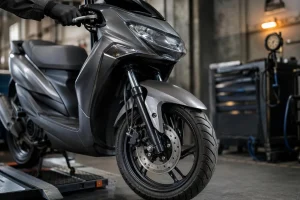



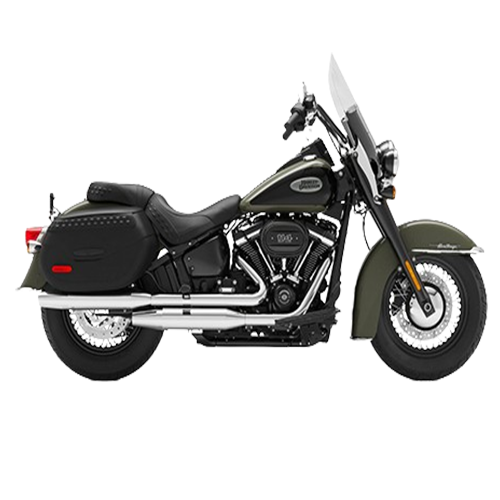
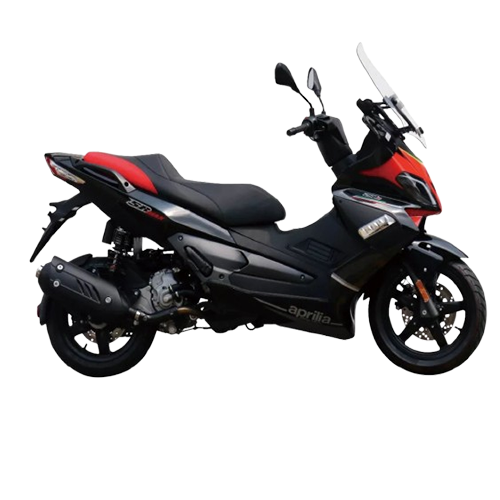

Handling instability on a Honda motorcycle rarely arrives as one obvious, single moment. It usually starts small — a faint front-end wobble on some rides and not others — and that inconsistency is what makes it so hard to pin down. The account below follows a composite rider’s experience rather than one documented repair, and it ends in a place many owners will recognise: the tires were replaced, the bike felt better for a while, and the wobble did not fully go away. What it shows is how a handling complaint gets reasoned through, not what is wrong with any one bike.
The First Sign of Trouble: A Front-End Wobble at Highway Speed
The first time it happened, nothing dramatic preceded it. A rider was holding a steady highway cruise — the routine kind, where the bike normally tracks straight and the bars sit quiet in your hands — when the front end began to move in a way it hadn’t before. Not an abrupt loss of control, but a light, repeating side-to-side movement through the bars that made the motorcycle feel less settled than it should. The instinct is to tense up and hold the bars harder, which is the opposite of what helps. The advice for a wobble is narrow and unglamorous: hold the bars without fighting them, close the throttle gradually, stay off the brakes, and pull over as soon as it’s safe (the Motorcycle Safety Foundation’s rider handbook sets out that same line of response for a wobble, and warns that braking or trying to accelerate out of it tends to make the shaking worse). Then have the bike inspected rather than waiting to see whether it happens again.
The movement didn’t appear on every ride. Some days the bike felt completely normal; on others the same front-end wobble came back. An intermittent symptom is not necessarily a mild one, and it is harder to diagnose: the rider can’t reproduce the conditions on demand and can’t tell a workshop much beyond “it did it again on the way in.” A bike that feels stable most of the time has only shown you that it was stable on those rides.
The tires were a reasonable first suspect. They touch the road, they wear, they can be checked without dismantling anything, and they’re the part most riders associate with grip and motorcycle stability. That reasoning isn’t wrong, just incomplete — and the next section follows where it led. It also helps to know which behaviour you’re describing, since a front-end wobble and a high-speed weave are different motions and don’t point at the same things. And one warning before any of this gets tested: don’t go looking for the wobble by riding faster. Provoking a high-speed instability over and over to confirm it exists is how a manageable problem turns into a crash.
The First Suspect: Why Changing the Tires Didn’t Fix Everything
Tires earn that first suspicion honestly. They’re the only contact with the road, and their condition feeds straight into how the bike tracks, turns and settles. Michelin’s tire guidance lists the usual tire-side contributors to a handling complaint: pressure that doesn’t match the manufacturer’s specification, wear that’s uneven or concentrated, a carcass that’s damaged or deformed, a size or specification that doesn’t match the bike, and mounting or balancing that wasn’t done properly. All of it affects steering response and handling stability, and none of it needs a technician to understand — which is exactly why the tire is where most investigations begin.
New rubber is the most obvious first attempt, so that’s what this rider did. It was a reasonable move. But the problem didn’t fully go away.
A tire change isn’t wasted work — rubber of the right specification, at the correct pressure and properly balanced, rules out a real and common set of tire-related causes, and it may genuinely have improved something. What it doesn’t do is rule out all of them. The working theory — tires caused it, new tires fix it — had been tested, and it came back incomplete.
That result is more useful than it feels at the time. When a plausible cause has been dealt with and the symptom survives, doing the same job again buys you the same answer twice. The honest conclusion sits somewhere narrower than “the tires were fine” and broader than “something else is broken”: the original explanation was simply too small. So the next step wasn’t to guess at a failed part. It was to widen the investigation to the wheel installation, steering components, bearings and suspension — and accept that the answer might not be on the outside of the bike.
Looking Beyond the Tires: Where Suspension Fits In
Widening the question means accepting something riders often resist: motorcycle stability isn’t a property of any single part. It comes out of how the tires, wheels, steering assembly, chassis geometry and suspension behave together while the bike is moving. A front-end wobble is a behaviour of that whole arrangement, which is why the same symptom turns up on bikes with quite different faults — and why nothing can be convicted from the symptom alone.
Suspension is easy to leave out of that picture because it usually gets discussed in terms of comfort. On a bike it does a second job that matters more here: it keeps the wheels in contact with a road that keeps changing underneath them.
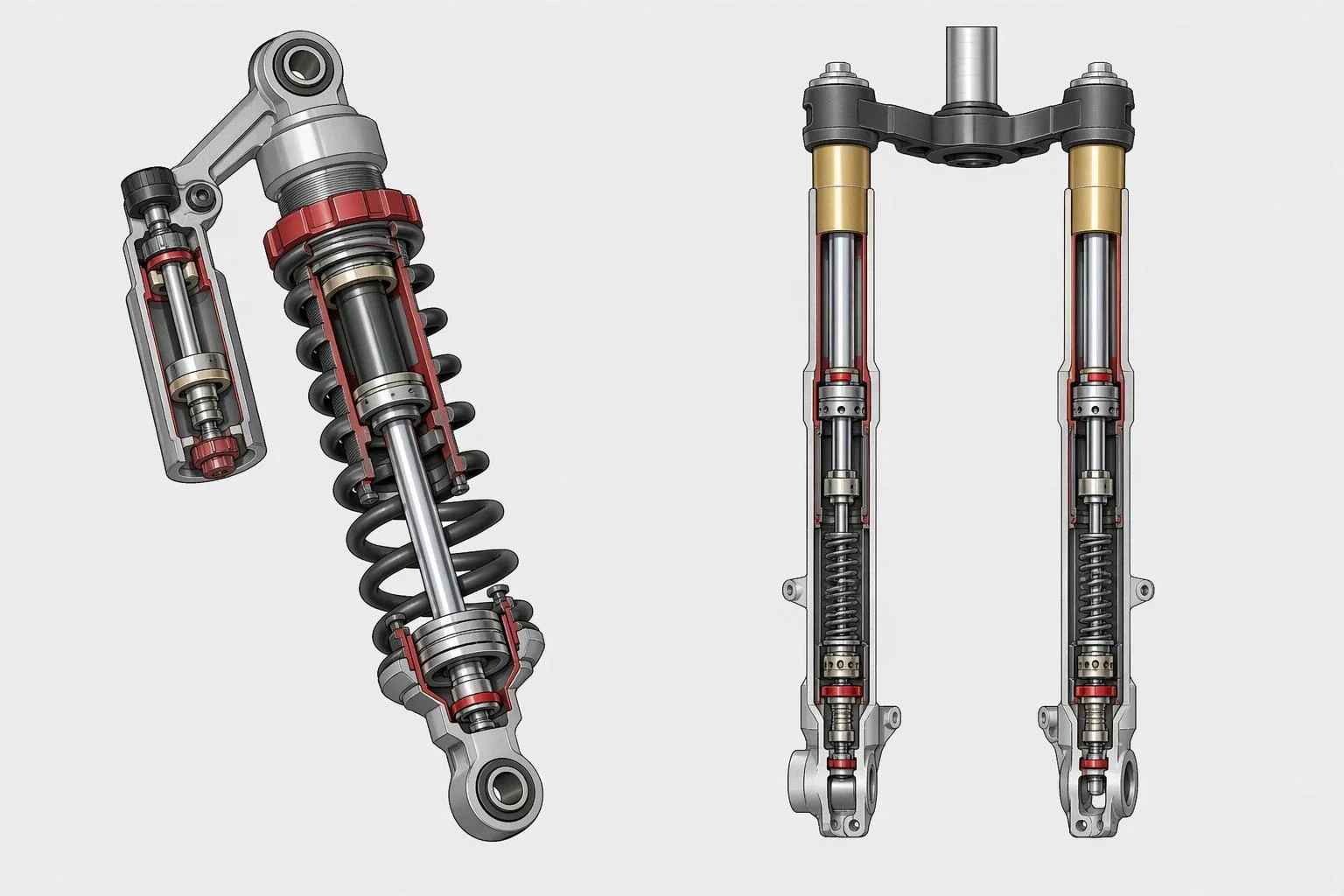
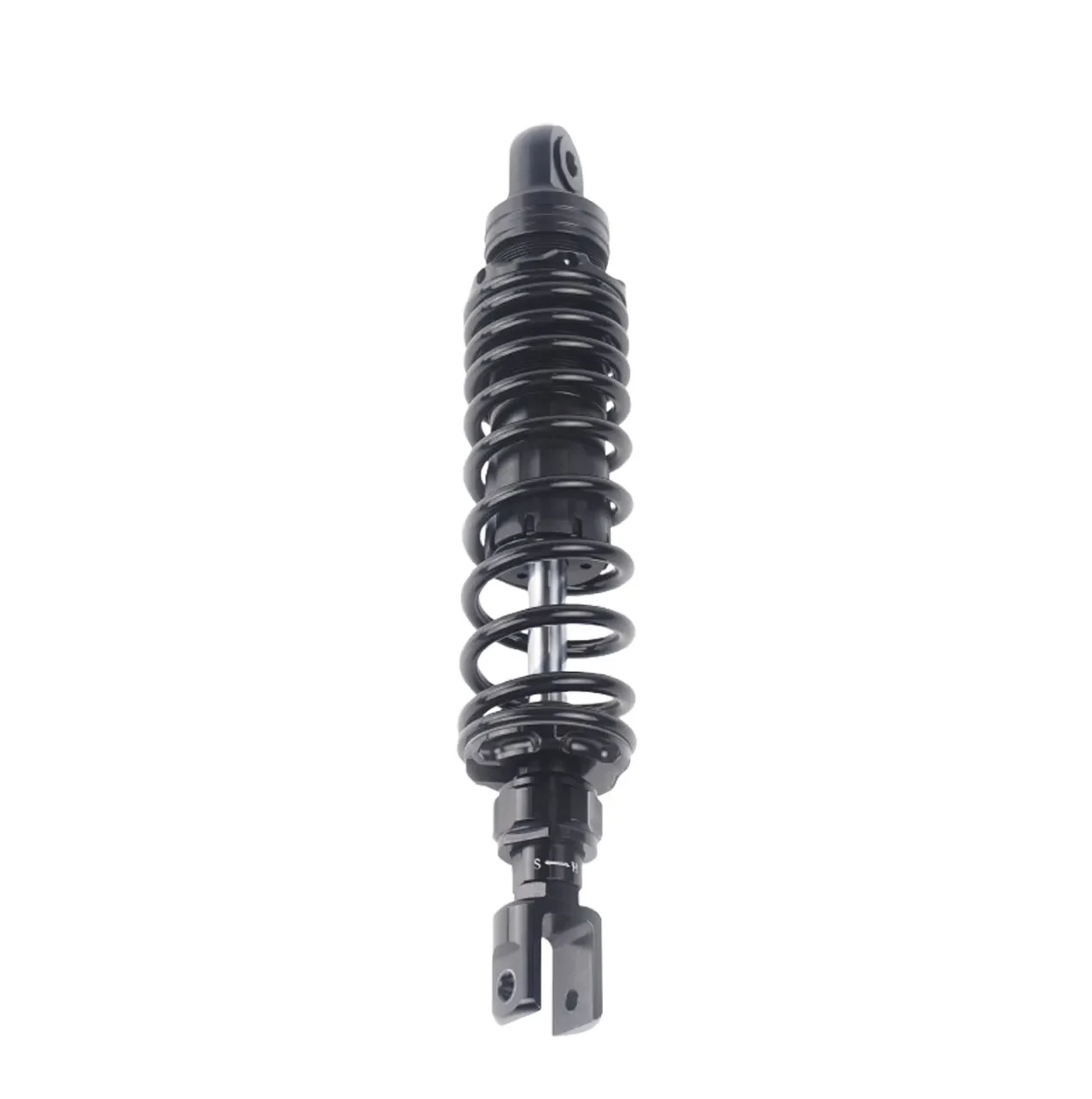
Springs support the bike and set its ride height, and damping controls how fast the suspension moves (RevZilla’s suspension vocabulary explainer covers the terms in plain language). What matters here is chassis motion, not comfort: suspension behaviour can influence how consistently a tire maintains contact with the road, especially as the bike responds to changing surfaces and load distribution. Front and rear should also be read as a pair, because pitch and load transfer change how the machine responds as a complete system.
What follows from all that is a limit, not a diagnosis. A suspension fault is one possible contributor to a handling complaint; a bike with a persistent wobble does not automatically need new shocks. The tires may already have been dealt with while wheel installation, steering components, bearings and suspension all remain unassessed — and any of them could be involved. Treating shock absorbers as the answer without checking would repeat the tire assumption, one level deeper. That conclusion has to be earned by inspection, which is where the next section goes.
Working Through the Checks: From Basic Setup to Suspension Condition
What follows is the reasoning behind a sequence of checks, not a procedure to work through in your driveway. The order is the point: each stage either removes a possible cause or leaves it standing, and that decides whether the next stage is worth the effort. Some stages will find nothing, which is a normal result rather than a wasted step.
The tires and basic setup come first, because a tire change is only as good as the work behind it. Pressure, size and type, wear and damage, mounting and balancing — a new tire seated badly or balanced incorrectly can reproduce the exact complaint the old one caused. It’s cheap, it’s quick, and it settles the most accessible variables before anything comes apart.
Once the tire side looks sound, the question shifts to how the bike is being used, and none of that needs a spanner: solo or two-up, loaded or not, and whether that has changed recently. A bike that feels stable solo and less settled with a passenger may simply be responding to different load distribution. That doesn’t rule out a mechanical fault, so the loaded condition belongs in the assessment rather than replacing it. Our engineering look at motorcycle suspension behavior under load goes into the mechanisms from a design perspective rather than a rider’s check-list.
If the symptom still isn’t explained by either, the next stage takes the bike past basic owner observations. Wheel installation and alignment, the axle and its fasteners, wheel bearings and the steering assembly all need proper tools and the service information for that model. Anything involving removal, refitting or model-specific torque figures belongs to the manual and to the person working from it — not to a roadside attempt to snug things up until they feel right.
Suspension belongs inside the wider inspection, alongside the wheel, steering and mechanical components already under review — not as a separate ritual once everything else is signed off. Shock absorbers get judged for leaks, damage and obvious wear, along with the springs and their mounts, and whether front and rear are visibly working against each other. Two cautions sit together here: a component that looks fine externally can still be performing poorly inside, and a visibly worn part isn’t automatically the whole explanation for the front-end wobble. Either finding points toward professional assessment, not a parts order.
After the Repair: What a Stable Ride Should Feel Like
Fitting a part is the middle of a repair, not the end of it. If the inspection identifies something that needs replacing — a shock absorber, a bearing, a steering part — there are two questions to settle: was the installation done correctly, and has the original fault actually gone away? They don’t always get answered together.
The first is settled by inspection. Does the replacement match the bike’s fitment requirements? Was it installed the way the manufacturer specifies? Were the fasteners secured according to the manufacturer’s specifications, and have the relevant installation checks been completed? Is tire pressure back where it belongs, and is anything from the earlier stages still unresolved? Bikes leave workshops with correctly chosen parts fitted incorrectly, and they behave accordingly.
The second question is harder, because “it feels better” is a start, not a conclusion. Verification starts with the checks the job itself calls for, and with the person who did the work confirming it was done to specification. Where the motorcycle is considered safe to operate, a controlled assessment by a qualified technician can then confirm whether the original handling complaint remains — following workshop procedure, not deliberately provoking the same high-speed instability. Comparing the result against what was recorded before the work, when the movement appeared and at what speed and load, only works if the original behaviour was written down. That’s one reason the earlier stages matter.
Some outcomes also mean the job isn’t finished. If the original oscillation is still there, if a new vibration has appeared, if the steering still doesn’t feel right, or if a mechanical finding remains unexplained, the correct response is to stop riding and reopen the investigation — not to test it again on the highway. Replacing a part is a hypothesis about the cause, and only verification turns it into a repair.
When to Stop Troubleshooting and See a Motorcycle Technician
There’s a real line between what an owner can reasonably observe and what needs a workshop. Observation is fair game: visible tire damage, an obviously wrong pressure, a change in how the bike is loaded, visible fluid leaks or damaged parts, and a rough note of which conditions bring the symptom on. That record is genuinely useful to whoever inspects the bike later.
Everything past observation belongs to someone with the tools and the model-specific specification — wheel removal and alignment, bearing and steering inspection, assessment of suspension condition, shock absorber service or replacement, and any installation or adjustment governed by the manufacturer’s procedure. In practice, three situations end self-troubleshooting: a wobble that keeps coming back, a symptom no basic check can explain, and any job that requires dismantling the wheels, bearings, steering or suspension.
Safety comes before diagnosis. The first time a front-end wobble shows up, the sensible move is to stop riding in a way that brings it on and get the bike inspected — transported, not ridden in, if it plainly isn’t safe.
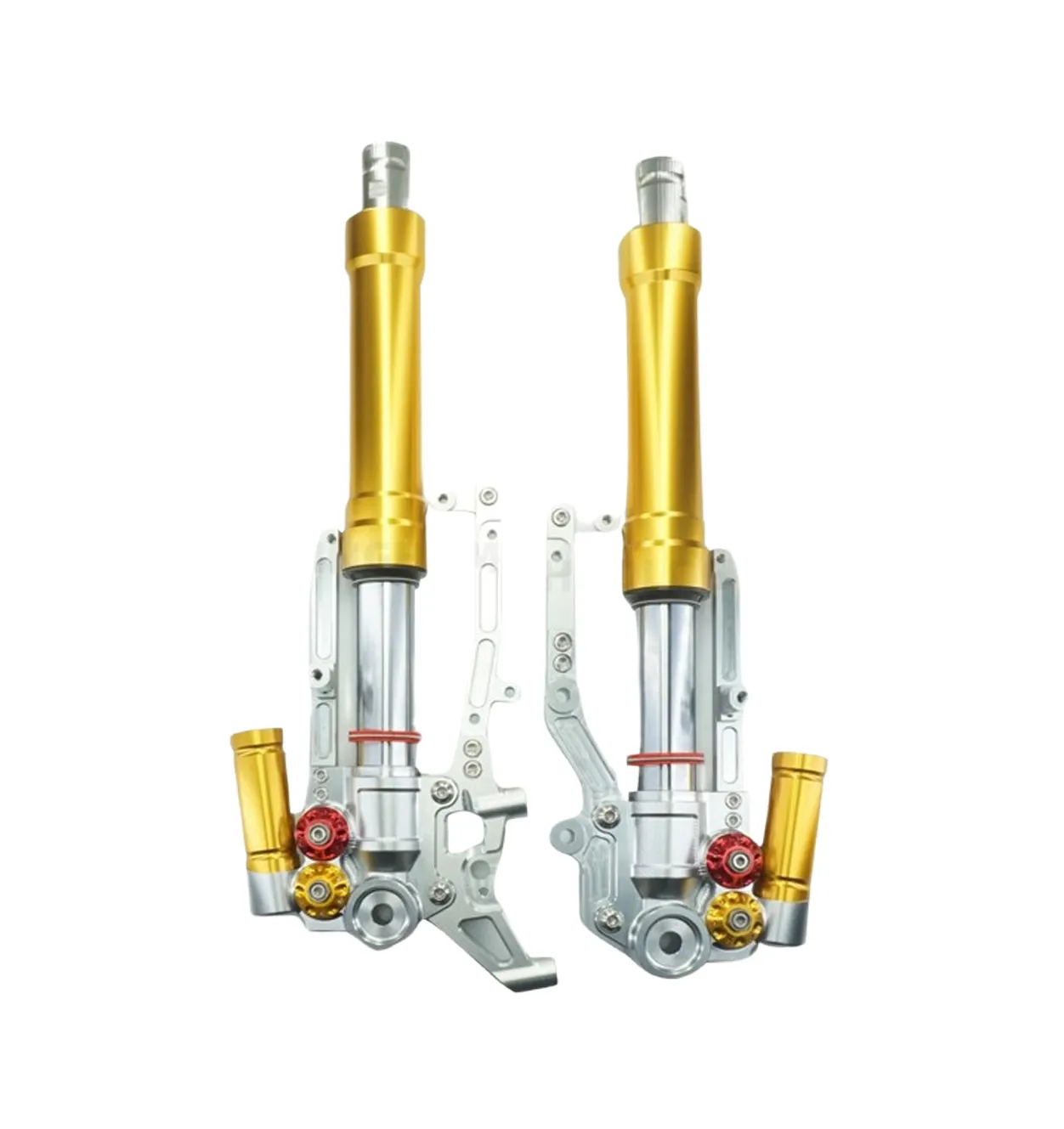
If an inspection confirms that the shock absorbers need replacing, workshops, distributors and aftermarket brands can consult Kingham Tech about Honda suspension options and model-year fitment. The right replacement starts with confirming the platform and its specific fitment requirements, not with picking a part number — and that conversation follows the inspection rather than replacing it.