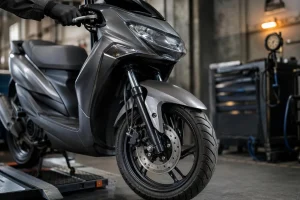
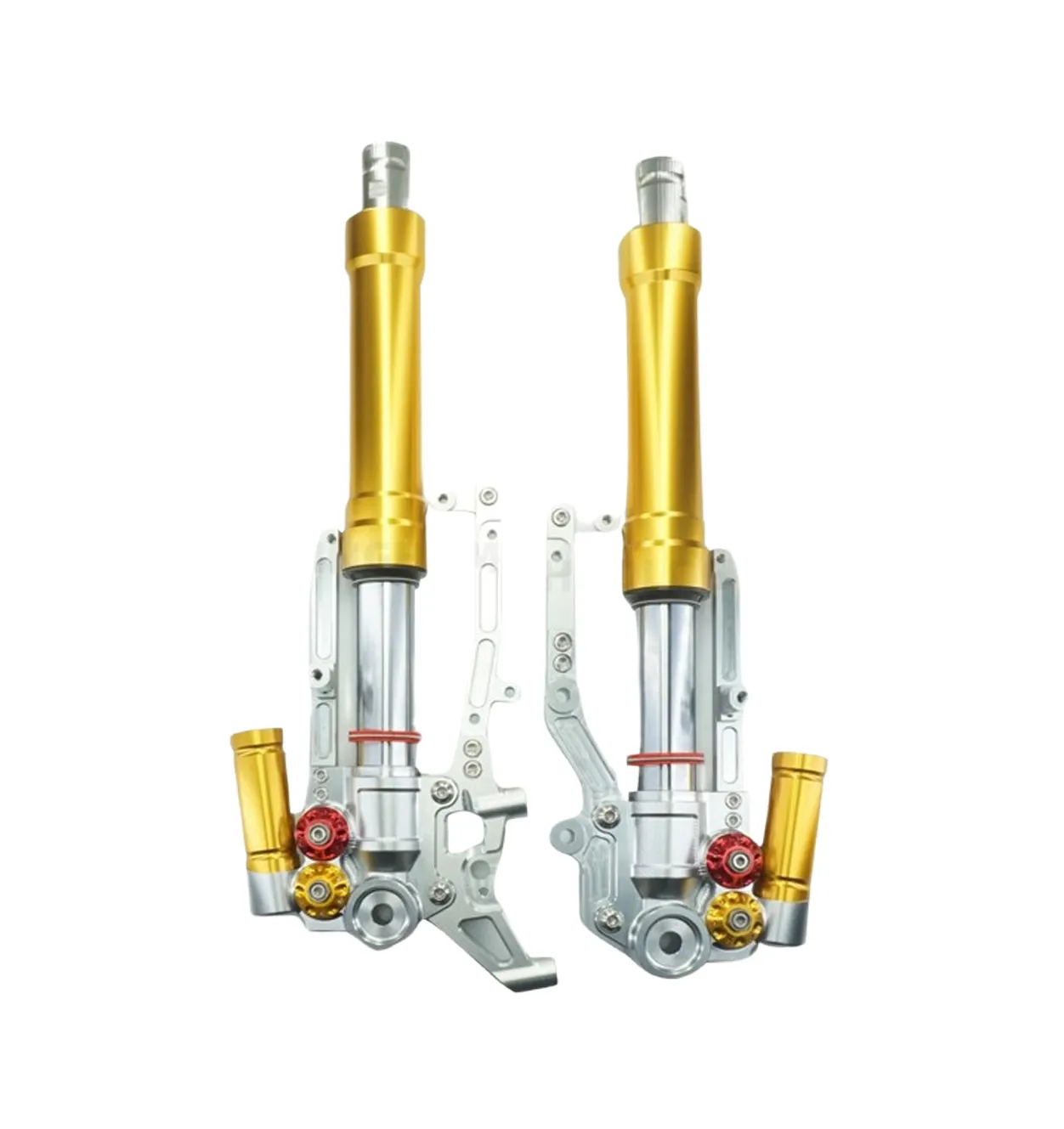
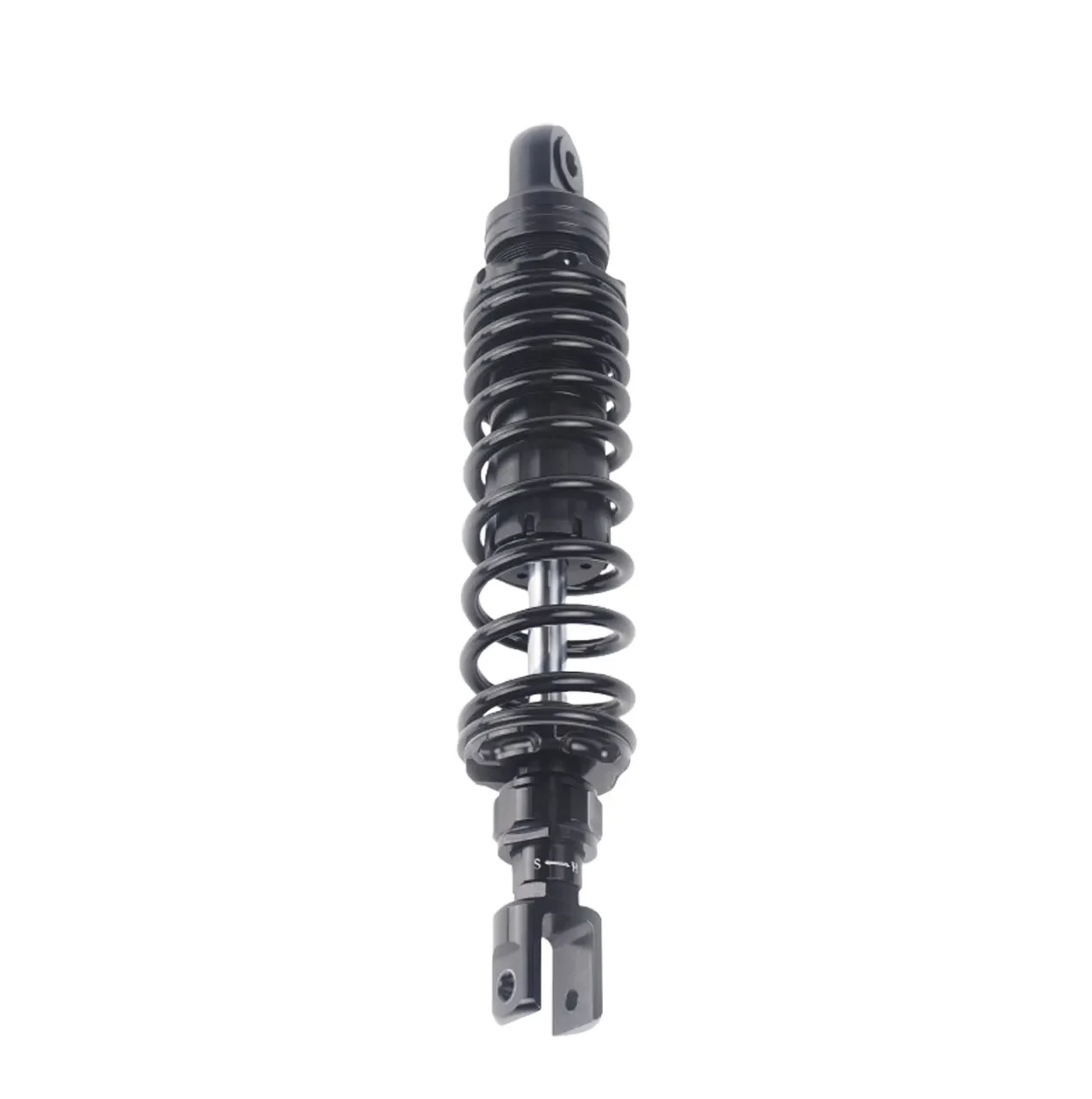


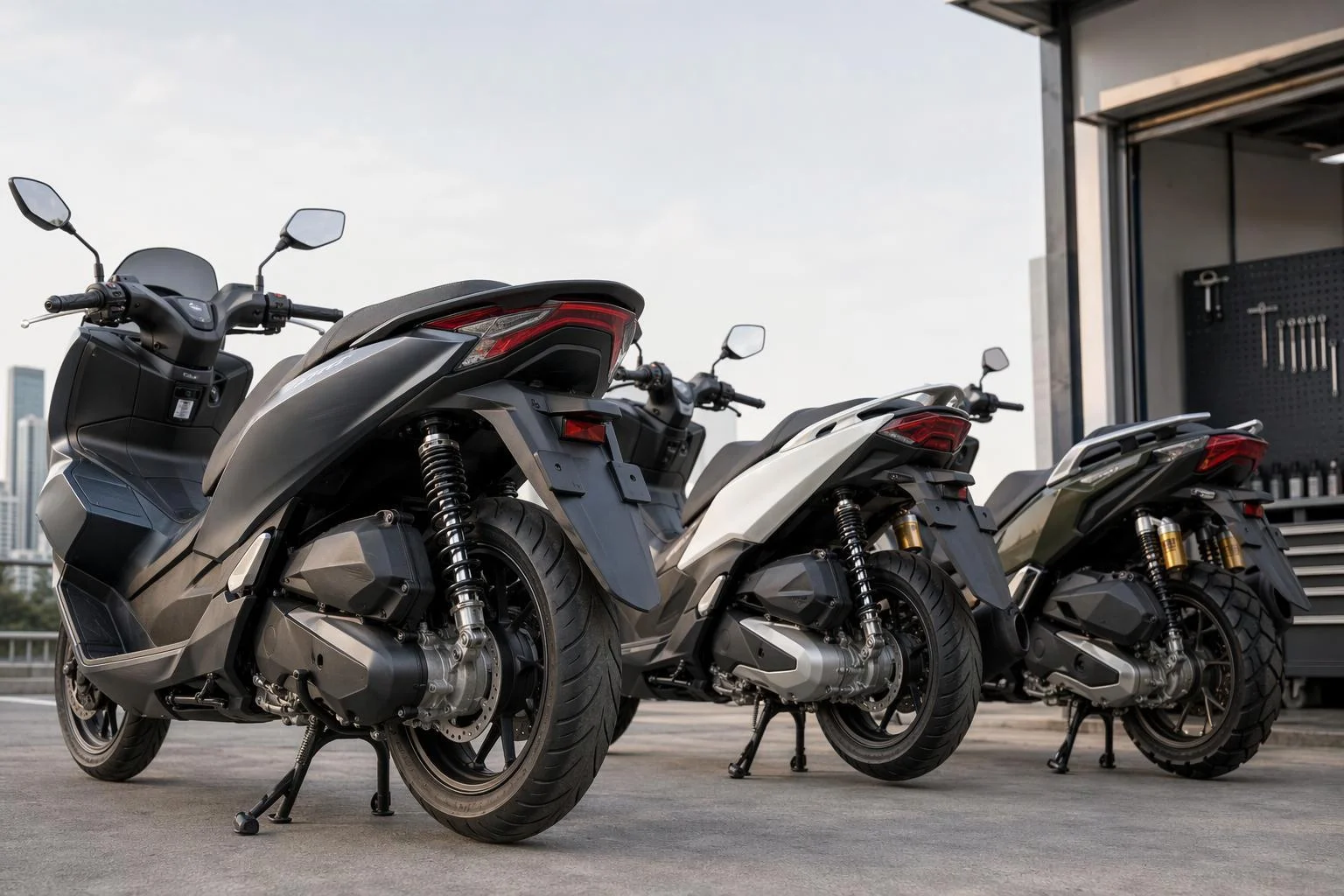
A Honda shock absorber purchase is a selection question before it is anything else. The rider or dealer is not asking what has gone wrong with the bike; they are asking which unit to put on it. That question has a fixed order: which model, then which use, then which details to confirm with the supplier before the order is placed. Take that order seriously and you avoid the mistake we see most often: a shock that suits a different platform, or a different riding pattern, than the one in front of you.
This guide covers three platforms — the PCX, the Vario (sold as the Click in Thailand) and the ADV 160 — as three separate paths rather than one merged recommendation. Each has its own role in the Honda range, and that role is what shapes what a buyer should look for. Fitment details stay general here on purpose, because the exact confirmation belongs with the supplier.
Wobble, weave and suspension-fault diagnosis aren’t what this article is about. If a rider reports that a bike feels unstable, that’s a diagnostic question, and it’s handled in our guide to Honda motorcycle instability problems. This guide covers selection: how to choose the right shock absorber by model and use.
PCX, Vario and ADV 160 — What Differs by Model
The three platforms are not interchangeable, and treating them as one category is where selection goes wrong first. Each occupies a different role — a high-volume urban commuter, a global commuter scooter, an adventure-styled commuter — and that role sets the priorities a buyer should weigh. What follows is a general look at what to prioritise on each platform — no dimensions or fitment rules, since those get confirmed with the supplier.
PCX
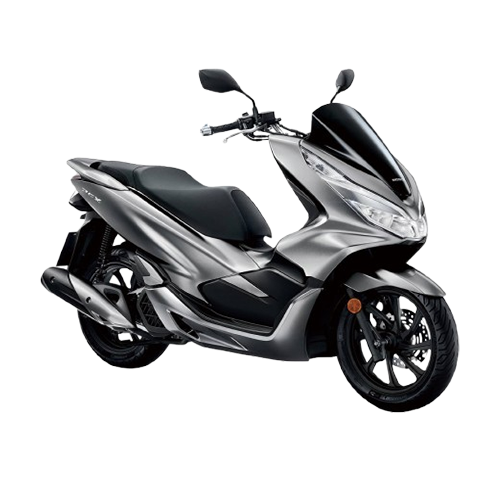
The PCX is a global commuter scooter, and buyers in this segment pay for refinement rather than outright aggression. That puts two-up comfort and stability over distance at the top of the list. What to look for: load support that holds up with a passenger aboard, damping that stays composed as a ride lengthens rather than fading, and a configuration matched to the rider’s typical daily distance. A commuter covering short hops and a rider covering long daily runs on the same platform may reasonably want different specifications, which is why the use question comes next.
Vario (Click)
The Vario is the high-volume urban commuter here, and in Thailand the same platform is sold as the Click — a naming point worth settling before any order, because a dealer should quote against the platform name the supplier actually uses. Selection emphasis here is bump control and load support in stop-and-go traffic. What to look for: quick recovery over repeated small bumps, and consistent behaviour under the frequent weight shifts that city riding produces — a rider alone, then a passenger, then a loaded basket, all within the same short trip.
ADV 160
The ADV 160 is the adventure-styled commuter, and its selection criteria differ because the platform is built around longer travel and mixed-surface use. Worth knowing what Honda fitted as standard: the ADV160 carries twin piggyback Showa shocks with 4.1 inches of travel and triple-rate progressive springs, which Honda says deliver progressive loading for road-holding in varying situations, including two-up riding and rough terrain (Honda press release). That describes the stock unit, not a fitment rule for aftermarket parts. What to look for: travel and damping suited to rougher surfaces and occasional two-up riding.
How to Choose by Use
Model narrows the field; use decides within it. The same platform can call for different shock specifications depending on how the bike is actually ridden, because load, spring rate, damping and travel are not fixed preferences — they respond to what the bike carries and what the road does underneath it. Use should refine the model decision, never override it: a rough-road specification does not make a Vario into an ADV 160. Each of the three use cases below changes something specific, and it’s easier to pick the right shock once you know which one fits the riding you actually do.
City commuting
City commuting means frequent stops, repeated small bumps and constant weight shifts, usually with one rider. The shock is working constantly here, but over short strokes. What to prioritise: quick recovery over small bumps and predictable behaviour as load shifts on and off — a rider hopping on and off, a passenger added at the school gate. A specification tuned for sustained high load is not automatically the better city choice; it can feel firm over the inputs that dominate this use.
Long rides and two-up travel
Long rides and two-up travel mean sustained load: a passenger, luggage, and heat building up over distance. Here the shock is holding a heavier, more constant load for longer. What to look for: spring support rated for the intended load, and damping that does not fade as the ride continues. Preload adjustment matters in this use because it sets where the suspension sits under load, and it is worth confirming that the chosen configuration allows the preload range the rider’s typical load requires.
Rough roads and mixed surfaces
Rough roads and mixed surfaces mean larger inputs, less predictable surfaces and occasional two-up riding. Travel and progressive spring behaviour matter here, because the shock needs room to absorb bigger hits and a spring that stiffens as it compresses rather than bottoming out. What to look for: sufficient travel for the surfaces the rider actually meets, and damping matched to that travel. Rough road is a use category, not a fault. If a rider reports wobble or weave rather than harshness, that is a diagnosis question for our instability guide, not a selection question here.
What to Check Before Ordering
Once model and use are settled, the remaining work is confirmation — fitment, then configuration, then after-sales. Work through it in that order. Configuration questions only make sense once fitment is settled, and after-sales terms are only worth negotiating on a part that will actually fit.
Fitment
Eye-to-eye length alone does not confirm fitment. Two shocks can share a length and differ in mounting geometry, and a small dimensional error in an aftermarket replacement becomes a warranty claim. Confirm with the supplier: the mounting geometry and any spacer requirements for the specific model; the model and market variant, since the same nameplate can differ by market; and the platform name the supplier uses, so a Vario order and a Click order are not confused. Ask for the fitment confirmation in writing, tied to the model and market you are ordering for.
Configuration
Configuration is where the use case you picked earlier gets answered. Confirm with the supplier: the adjustability level — preload only, preload and rebound, or preload, rebound and compression — and whether that level matches what the rider will actually adjust; the spring setup for the intended load, including whether a different spring rate is available for heavier or two-up use; and how the proposed configuration corresponds to the use case, so the supplier can explain the reasoning rather than simply quoting a part number. Keep these as supplier-confirmed points, not assumptions carried over from another platform.
After-sales
After-sales terms are procurement checks, not claims about any supplier, so get them before you commit. Confirm: warranty terms in writing, including what is covered and for how long; the claim process and the evidence required to support a claim; spare-parts availability, so a damaged unit can be serviced rather than replaced outright; and lead time with its start point defined, since a figure counted from purchase order and one counted from drawing approval are not comparable. Verbal assurances do not survive a personnel change, so ask for written confirmation of coverage, claim process and remedy before the order is placed.
Conclusion and Next Step
The decision sequence holds: model first, then use, then the pre-order checklist. Model separates the PCX, the Vario (Click) and the ADV 160 into three distinct paths, each with its own selection emphasis. Use refines the choice within that path — city commuting, long rides and two-up travel, and rough roads each change what to prioritise in load support, damping and travel. What’s left is to put it in writing with the supplier: fitment for your model and market, configuration that matches the use you picked, and after-sales terms agreed before you commit.
And keep the two limits in mind. Fitment in a guide like this stays general, because the exact answer is per model and per market, straight from the supplier. Selection is also not diagnosis: if a bike feels unstable rather than simply unsuited to its use, that question belongs with our instability guide, not with this one.
When you’re ready, start with fitment by model. Bring the platform, the market variant and the intended use, and ask the supplier to confirm fitment, configuration and after-sales terms against those three. Platform coverage across the Honda range is listed on the Honda vehicle page.