

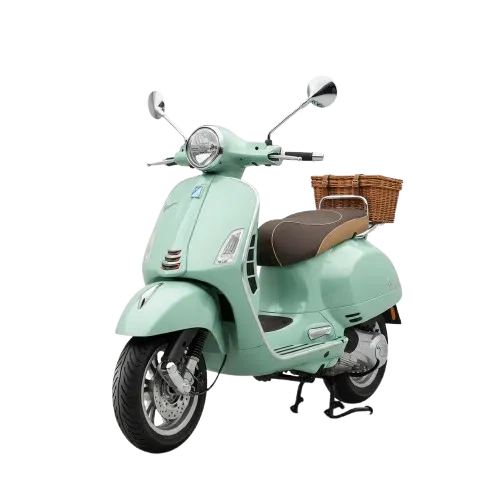
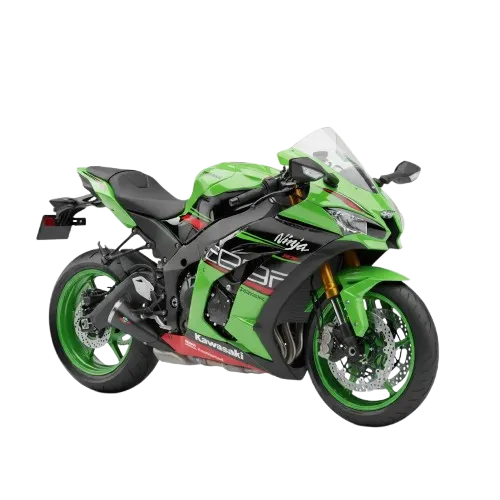
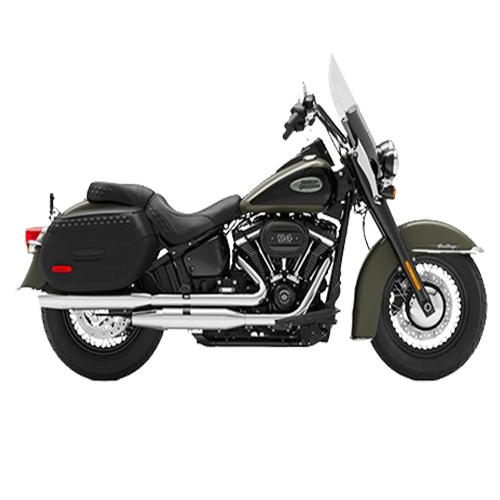
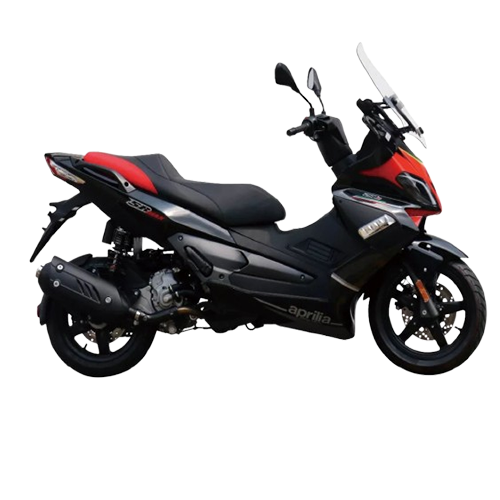

Choosing the right spring rate and damping for your scooter is very important. It helps you have a comfortable ride and good performance. If these settings are wrong, you might feel more bumps and wobbles. This can even make it hard to control your scooter. Not enough damping can lead to more accidents. If the spring rate is too low, your scooter might hit the ground too hard. This can make you tired while riding. Well-tuned shock absorbers reduce bumps and improve stability. This makes your ride safer and more fun.
Key Takeaways
Picking the right spring rate is very important for comfort and control. Heavier riders need stronger springs to stop bottoming out.
Damping settings change how your scooter deals with bumps. Change them based on your weight and riding conditions for better balance.
Preload adjustment changes your scooter’s suspension. The right preload stops bottoming out and makes the ride better.
Testing your scooter’s suspension on different surfaces helps you find the best settings. Get feedback to make smart changes.
Working with experts can improve your scooter’s performance. They offer special solutions and advanced tips for the best setup.
Spring Rate Basics
What is Spring Rate?
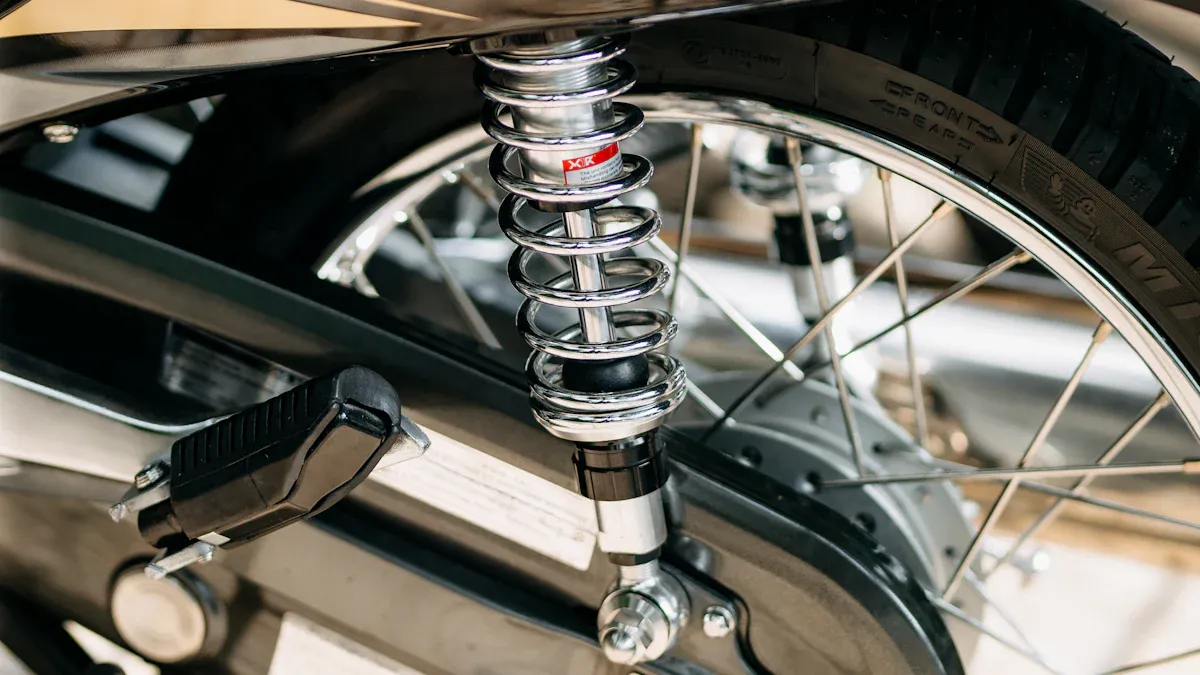
The spring rate shows how stiff a spring is in a suspension system. It tells us how much weight a spring can hold before it squishes down. A higher spring rate means a stiffer spring. A lower spring rate means a softer spring. This measurement is very important for how your scooter works.
When you ride over bumps or rough roads, the spring takes in the impact energy. This is important for keeping a good ride, especially in cities where roads can be very different. If damping is not good, a soft spring can cause too much bouncing. This makes it hard to control your scooter.
Choosing the Right Spring Rate
Picking the right spring rate needs you to think about a few things. Here are some important points to remember:
Rider Weight: Your weight greatly affects how the scooter works. A heavier rider might need a higher spring rate to stop bottoming out.
Speed: How fast you ride also changes how the scooter handles. Going faster can mean you need a stiffer spring for better stability.
Terrain Conditions: Different types of ground can lower how well your scooter works. For example, bumpy surfaces can cut performance by 30-50% compared to what is advertised.
When picking a spring rate, think about these factors:
Performance: Heavier riders might go slower and have less range.
Safety: Going over weight limits can cause problems with the scooter’s structure.
Durability: More weight can make parts wear out faster.
A strong suspension system is key for taking in bumps and shocks. For example, scooters like the Apollo City use a dual spring suspension with self-sealing tires. This setup helps them deal with potholes and city bumps well.
By knowing why spring rate matters, you can make your ride better. Well-tuned shock absorbers will make your ride more comfortable and stable. This makes your daily trips more fun.
Damping Explained

What is Damping?
Damping is how we control the movement of a suspension system. It helps the spring go back to its starting position after being pushed down. Good damping is very important for a smooth ride. It stops too much bouncing and keeps your scooter steady on bumpy roads.
There are different types of damping systems in commuter scooter rear shocks. Each type works in its own way:
Description | |
|---|---|
Spring suspension | Uses springs to soak up energy from movement, keeping balance and stability. |
Hydraulic suspension | Uses hydraulic parts to absorb shocks, often adjustable for how fast it rebounds. |
Rubber suspension | Uses stretchy rubber to reduce vibrations, usually found in lighter scooters because they are cheaper. |
Swingarm suspension | Combines a rotating axis and shock absorbers to spread out vibrations, common in high-performance models. |
Adjusting Damping Settings
Changing damping settings is important for making your scooter work better. You can adjust the damping to fit your riding style and the conditions you face. Here are some things to think about when changing damping:
Rider Weight: Heavier riders might need stiffer damping to stay in control.
Riding Conditions: If you ride on rough roads a lot, you may need more damping to soak up shocks well.
Personal Preference: Some riders like a firmer ride for better handling, while others prefer a softer setup for comfort.
Good damping settings improve grip and control on rough roads. Here are some benefits of good damping:
Damping soaks up shocks and vibrations, improving grip and control on rough roads.
Active damping systems stop too much bouncing, keeping wheels on the ground for stability.
Constant vibrations can cause ‘Vibration Fatigue,’ which makes it hard to control the scooter safely.
To help you find the right damping settings for different riders and commuting conditions, check this table:
Bike Model | Recommended Damping Settings | |
|---|---|---|
Adventure Touring | BMW R1200GS | Progressive spring rates, extended travel changes, adjustable damping systems |
Track Day Evolution | Suzuki SV650 | Stiffer springs, more compression damping, quick rebound settings |
Dual-Sport Versatility | Kawasaki KLR650 | Balanced spring rates, DDC cartridge kit upgrade, adjustable compression |
By knowing and adjusting damping settings, you can greatly improve your ride. A well-tuned suspension system will make your daily trips smoother and more fun.
Preload Adjustment
What is Preload?
Preload is the tension on a spring before any weight is added. This adjustment is very important for setting up your scooter’s suspension. By adjusting the preload correctly, you can change how stiff the suspension feels based on your weight and how you ride.
How to Adjust Preload
Changing the preload on your scooter’s rear shocks is easy. Here’s how to do it:
Find the Preload Adjuster: Most scooters have a preload adjuster on the shock. This could be a knob or some rings.
Know Your Weight: Your weight helps you figure out how much preload to use. Heavier riders usually need more preload.
Make Changes: Turn the adjuster clockwise to add preload and counterclockwise to take it away. Start with small changes and then ride your scooter.
Test Ride: After making adjustments, ride your scooter. Notice how it feels over bumps and during turns. Change it again if needed.
Tip: Adjusting preload lets you customize how stiff the suspension is for your weight. It helps stop the suspension from bottoming out during big bumps. This makes your ride smoother and more controlled.
Preload affects how much the spring compresses at first. This is important for comfort while riding. The corner weight and preload amount decide how much the spring compresses overall. If a spring is preloaded, the corner weight does not push the spring down more than the preload. This means the spring reacts to extra forces based on its spring rate and the preload setting.
Preload changes how much the spring compresses at first, affecting ride height.
The corner weight shows how much more compression happens beyond the preload.
More preload makes the spring stiffer, which changes ride comfort.
By learning about and adjusting preload, you can greatly improve your ride. A well-tuned suspension system will make your daily trips smoother and more fun.
Tuning Suspension with Kingham Products
Features of Kingham Rear Shock Absorbers
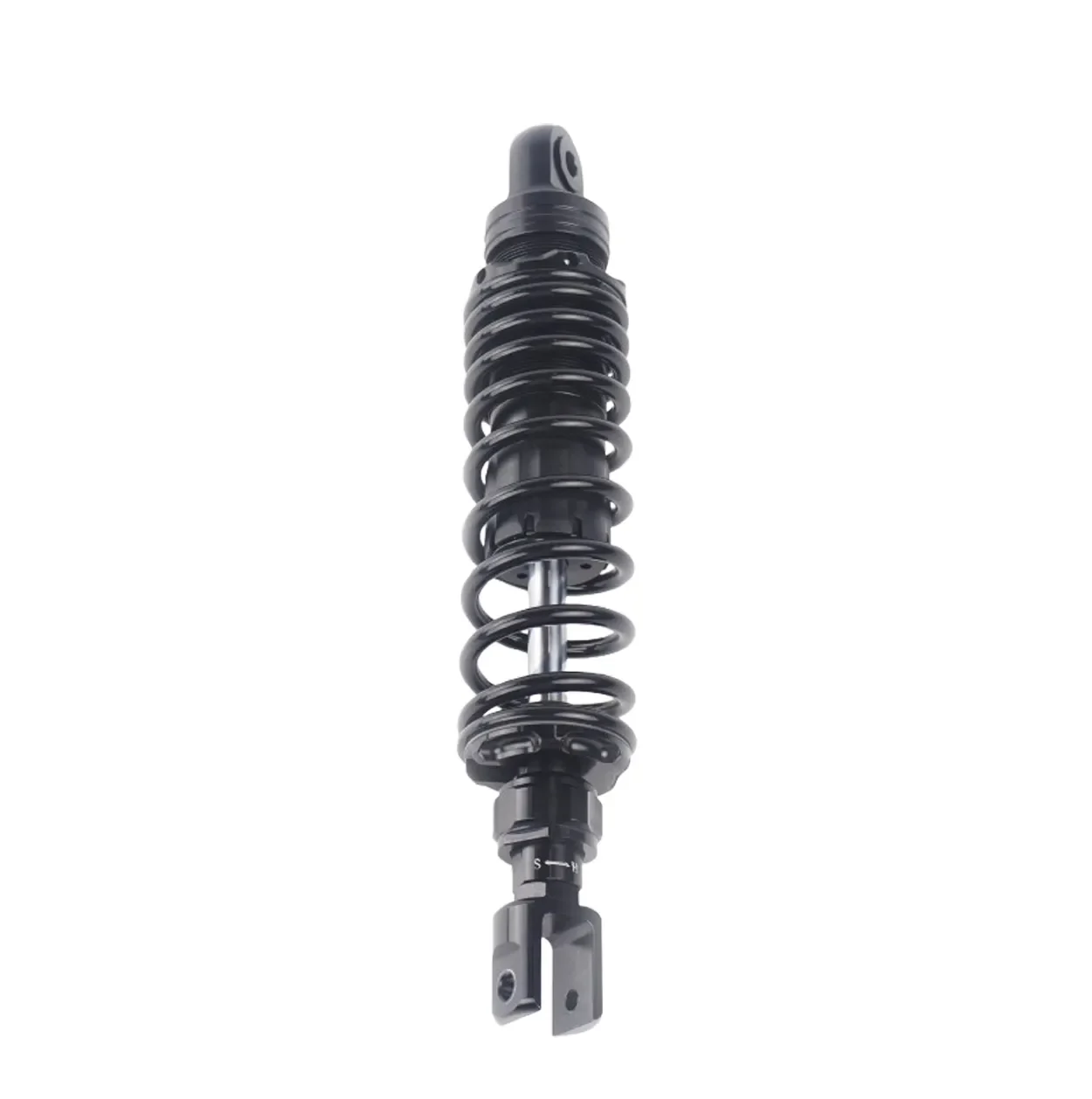
Kingham rear shock absorbers are special because of their great features. These shocks make your scooter ride better and feel more comfortable. Here are some important features that make Kingham different from others:
Feature | Kingham Rear Shock | Competitors |
|---|---|---|
Review Score | Varies | |
Fit | Made for Honda Vario Click 160 | General Fit |
Rebound Adjustability | Yes | Limited |
Material | Aluminum | Steel/Other |
These features make sure you get a high-quality product that fits your riding needs. The aluminum material is strong but light, which helps your scooter handle better.
Customization Options
Kingham has many ways to customize their rear shock absorbers. This lets you change the shocks to fit your riding style and what you like. Here are some customization options you can choose:
Model Type | Customization Options |
|---|---|
Spring Preload/Dual Adjustable | You can adjust the spring preload and rebound for better performance and comfort. |
Triple Adjustable | You can change compression damping, rebound damping, and spring preload for exact settings. |
You can also pick from other customization options, like:
Customized logo (Min. order: 500 pairs)
Customized packaging (Min. order: 500 pairs)
Color Customized (Min. order: 500 pairs)
Model Customized (Min. order: 500 pairs)
Upgrading your rear shocks can cost between $100 to $500 or more, depending on the type of suspension system. Basic spring suspension units cost about $100 to $150, while hydraulic suspension upgrades usually cost between $200 and $350. Premium dual suspension systems with full adjustability can cost $300 to $500 or more. Installation can be tricky, so think about getting professional help if needed.
With Kingham’s rear shock absorbers, you can create a ride that makes your experience better. Whether you want comfort or performance, these shocks are a great choice for your commuter scooter.
Collaborative Suspension Development
Working with Experts
If you want to make your scooter’s suspension better, you need to work with experts. These professionals know a lot and can help you choose the best options. They can help you pick the right spring rates and damping settings. Here are some reasons why working with experts is helpful:
Tailored Solutions: Experts can look at how you ride and suggest changes.
Advanced Techniques: They know the newest technologies and methods for suspension design.
Problem-Solving: If you have problems with your setup, experts can find and fix them fast.
Testing and Feedback
Testing your scooter’s suspension is very important for good performance. After making changes, take your scooter for a test ride. Notice how it feels on different surfaces. Also, get feedback from other riders. Here are some steps to follow when testing:
Ride on Various Terrains: Try your scooter on smooth roads, bumpy streets, and uneven ground.
Evaluate Comfort: Think about how comfortable the ride is. Are you bouncing too much? Is it too stiff?
Collect Input: Ask friends or other riders what they think about your scooter’s handling and comfort.
Tip: Keep a journal of your testing experiences. Write down what works and what doesn’t. This will help you make better choices for future changes.
By working with experts and getting feedback, you can improve your scooter’s suspension. This will lead to a smoother, safer, and more enjoyable ride. Remember, the goal is to create a setup that fits your needs and makes your commuting better.
OEM Collaboration in Rear Shock Development
Communicating Performance Targets
When you work with OEM partners on rear shock development, clear communication is very important. You need to set performance goals early on. This makes sure everyone understands what to do. Talk about things like ride comfort, handling, and durability. These factors directly affect how well your motorcycle rear suspension works.
Prototype Testing
After setting performance goals, testing prototypes is very important. You should do thorough tests to see how well the shocks work in different situations. This includes:
Field Testing: Ride the scooter on various terrains to check comfort and handling.
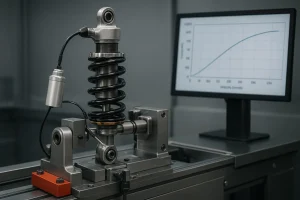
Lab Testing: Use controlled settings to measure shock response and durability.
Testing helps find any problems before making a lot of products. It lets you make needed changes to the design, ensuring the final product meets your needs.
Ensuring Long-Term Performance
To make sure your motorcycle rear suspension works well for a long time, you must focus on some key factors. Regular maintenance is very important for keeping the suspension system in good shape. Here are some key practices:
Factor | Why It Matters |
|---|---|
Strong materials prevent damage and wear. | |
Maintenance | Regular checks can stop big problems. |
You should also follow these maintenance tips:
Regular Inspection: Check for oil leaks, cracks, or rust every month.
Cleaning: Keep suspension parts clean from dirt and debris.
Lubrication: Apply the right lubricants to moving parts every three months.
Professional Service: Have your suspension system checked by a professional once a year.
By focusing on these things, you can make sure your rear shocks perform well over time. Working with OEM partners not only improves the quality of your motorcycle rear suspension but also builds trust and reliability in your products.
In conclusion, picking the right spring rate and damping settings is very important for how your scooter rides and feels. Here are some main points to remember:
Higher spring rates make the ride firmer. This helps reduce body roll but can make it bumpier on rough roads.
Lower spring rates feel softer. They help grip the road better and keep contact over bumps.
Damping settings control how fast the spring moves. Stiffer settings slow it down, while softer settings let it move faster.
To get the best comfort and performance, follow these steps:
Set the sag right by adjusting the preload.
Try out compression and rebound damping.
Adjust settings based on where you ride.
Get help from a professional if you need it.
By trying different settings and asking for expert help, you can make your ride better and have smoother, safer trips.
Remember, a well-tuned suspension system makes a big difference! 🚴♂️
FAQ
Why is suspension important for my scooter?
Suspension is very important for how your scooter works. It helps absorb bumps from the road, making your ride smoother and more stable. A good suspension system makes it easier to handle bumps and rough surfaces.
How can I tell if my shock settings are right?
You can check your shock settings by looking at how your ride feels. If you bounce too much or feel hard hits, you might need to change your suspension settings. Tuning it right makes your rides more comfortable and safer.
Can I change the preload on my scooter’s suspension?
Yes, you can change the preload on your scooter’s suspension. This change helps fit the setup to your weight and how you ride. Good preload settings stop bottoming out and improve your ride quality.
How often should I check my suspension settings?
You should check your suspension settings often, especially before long rides. Changes in weight, riding conditions, or the type of ground can change how your suspension works. Regular checks help keep your handling and comfort at their best.
What are the advantages of adjustable suspension systems?
Adjustable suspension systems let you change how your ride feels. You can change settings like compression and rebound damping to match your needs. This flexibility improves ride quality and helps you adjust to different riding conditions.