

TEL: +86 0594-2678388

Whatsapp:+86 13850271386

Author name: KHadmin

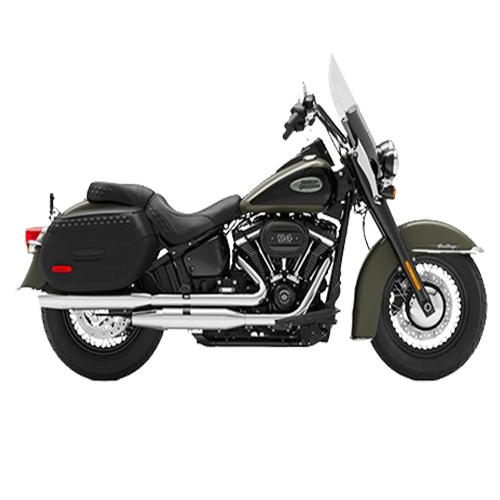
Harley-Davidson & Aprilia

Custom Motorcycle Shock Absorbers for Harley-Davidson & Aprilia: OEM/ODM, Dyno, and Supply Reliability

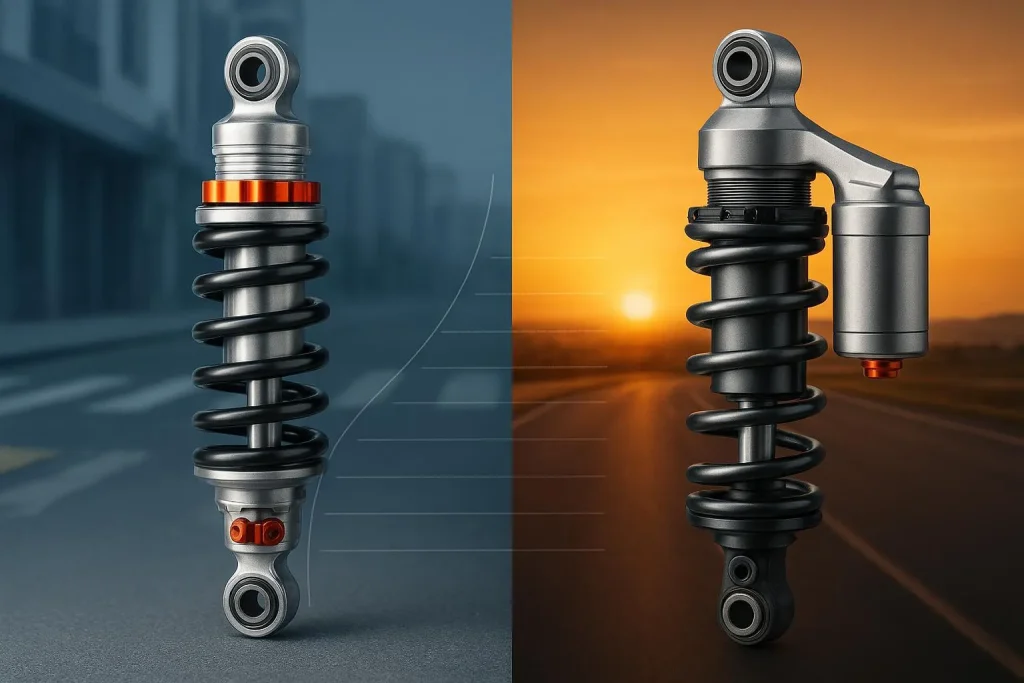
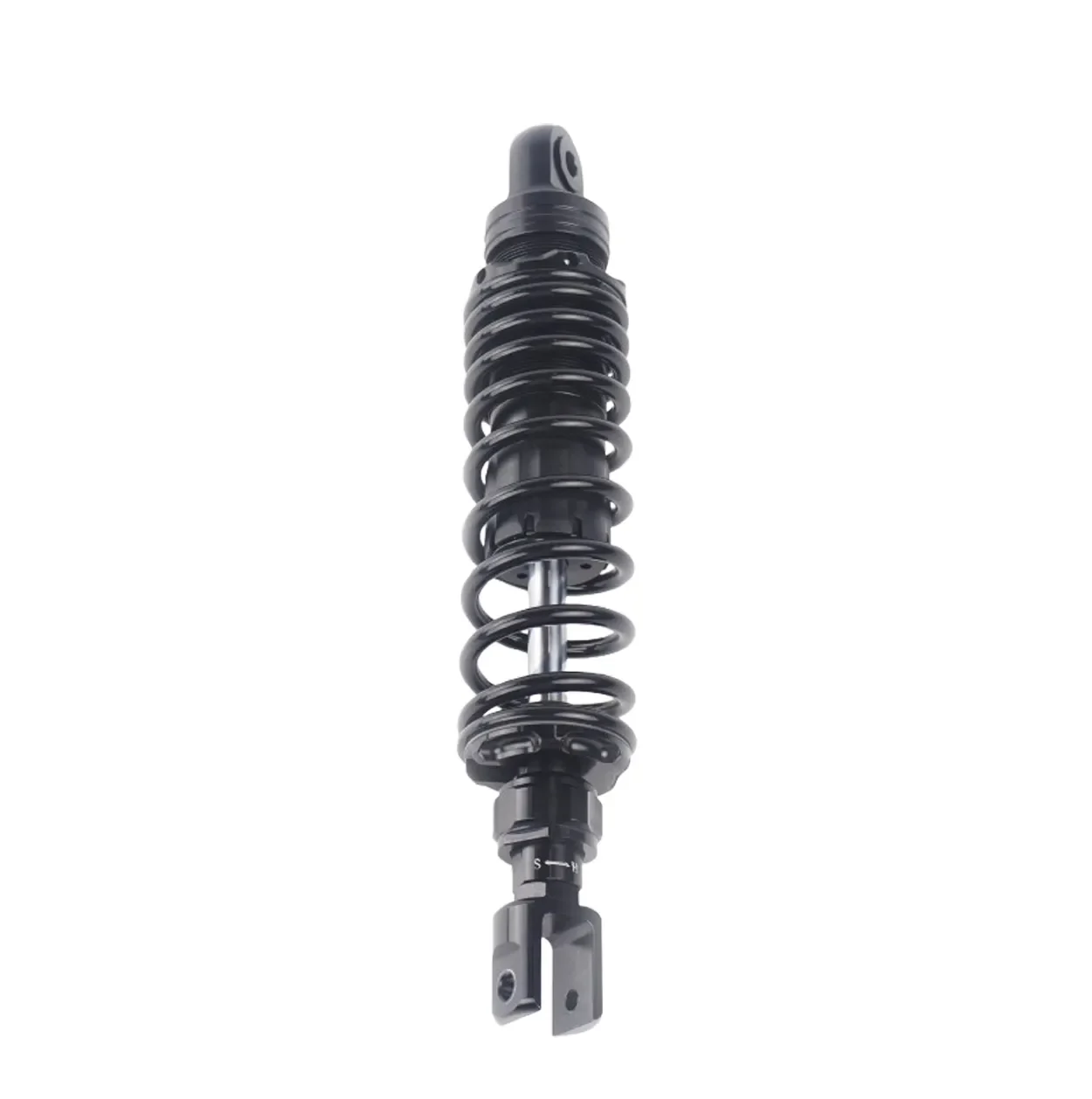
If you manage products for a regional distributor or an aftermarket brand, you already know the hardest part of building a winning shock program isn’t picking spring colors—it’s aligning engineering reality with SKU plans, validation data, and dependable lead times. This best-practice guide shows how to specify and source custom motorcycle shock absorbers for Harley-Davidson touring/bagger and Aprilia sport platforms through OEM/ODM development, backed by dyno and track validation and underpinned by automotive-grade quality systems.

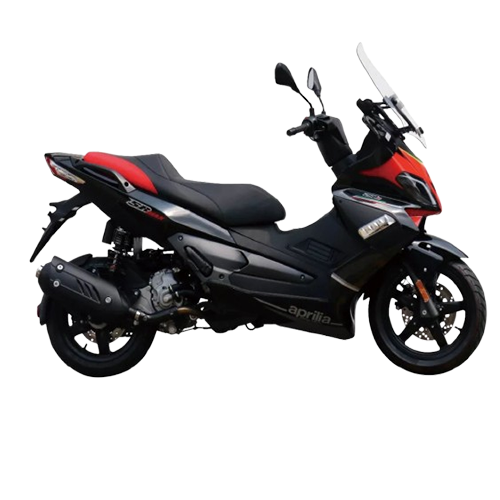
Aprilia

Aprilia RSV4/Factory Racing Shock Absorbers — OEM/ODM Collaboration and Rapid Prototyping for Competitive Setups

If your program runs an Aprilia RSV4/Factory in superbike or endurance trim, your rear damper isn’t just hardware—it’s a controllable system that determines tire support, traction consistency, and stint-to-stint repeatability. This guide distills what matters in competition-focused Aprilia RSV4 racing shock absorbers and shows how OEM/ODM engineering collaboration and rapid prototyping shorten time-to-track without sacrificing quality or traceability.

OEM Motorcycle

OEM Motorcycle Shock Absorber Partnerships with Yamaha, Honda, and Kawasaki: A Deep Dive into Performance and Reliability

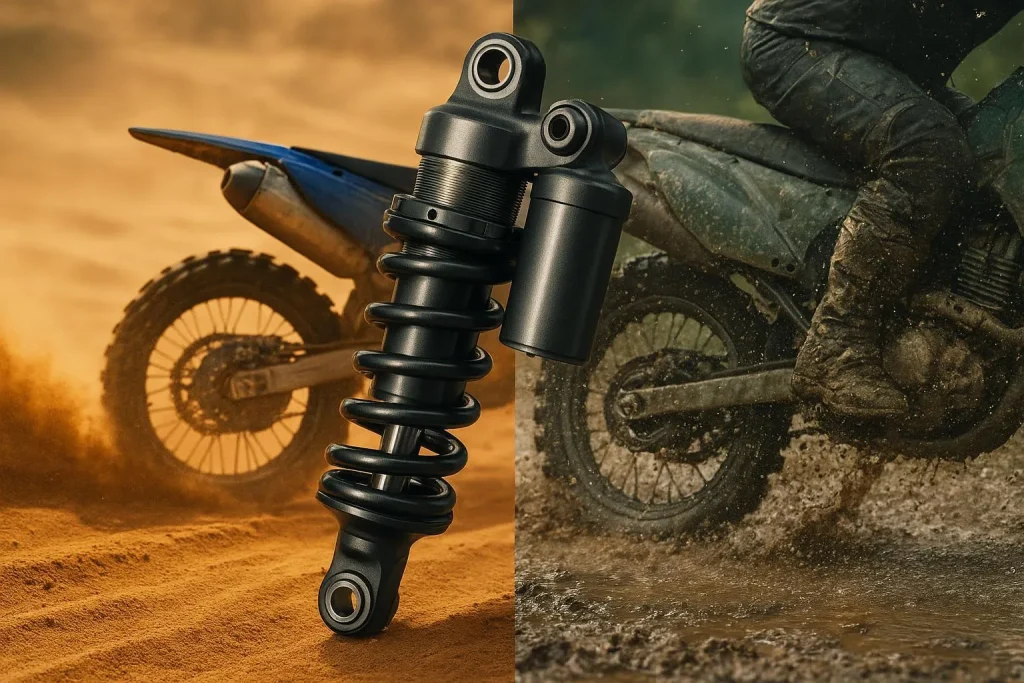
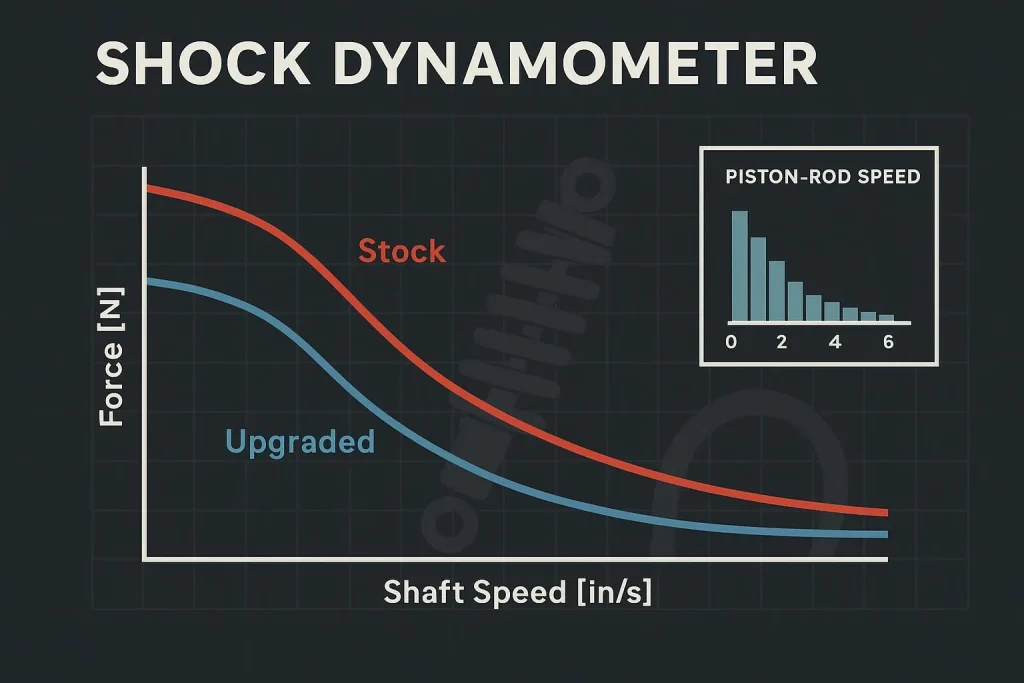
If you’re in OEM procurement or an SQE/SQA role, the difference between a smooth launch and months of firefighting is the evidence behind your supplier’s validation. This deep dive outlines how to evaluate and govern OEM motorcycle shock absorber partnerships with Yamaha, Honda, and Kawasaki—focusing on damping consistency, durability, environmental robustness, and the auditable artifacts that prove it.

Motorcycle Shock Absorber OEM Supplier Criteria Guide

Motorcycle Shock Absorber OEM Supplier Criteria Guide

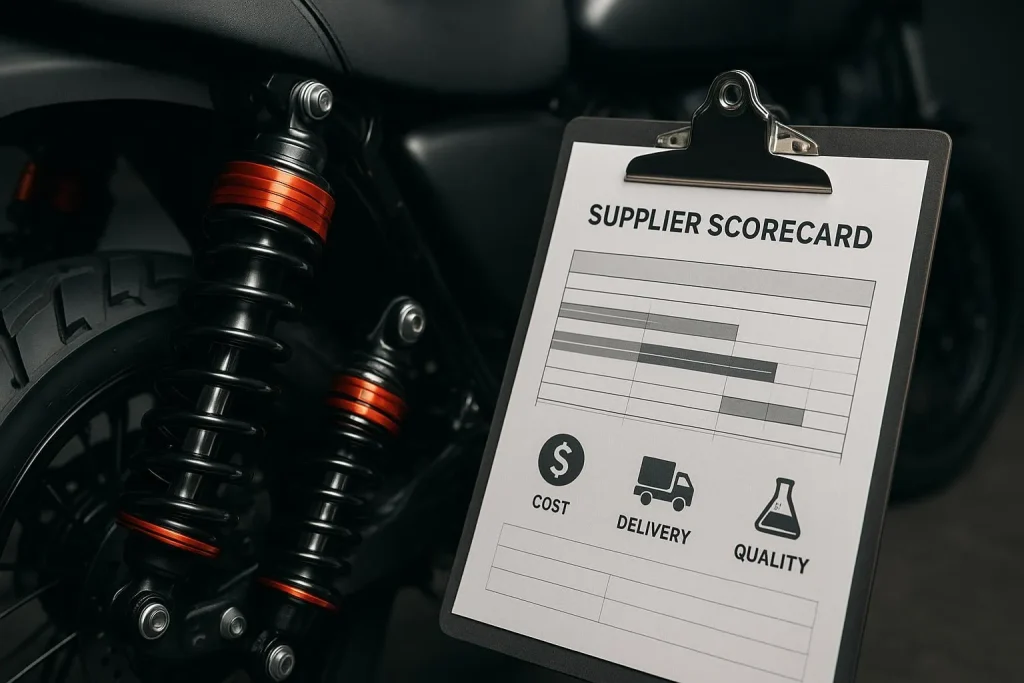
If you are sourcing rear or front shocks for Yamaha, Kawasaki, or Honda programs in the 10–50k units per year range, with SOP due in six to nine months, you need a playbook that puts cost and delivery first—without dropping compliance balls. This guide turns motorcycle shock absorber OEM supplier criteria into an auditable, standards‑literate framework you can take straight into your RFQ, supplier visits, and PPAP reviews.

6bcd2d67-87e7-48d4-b0f2-a2095590fd1d_1536_1024

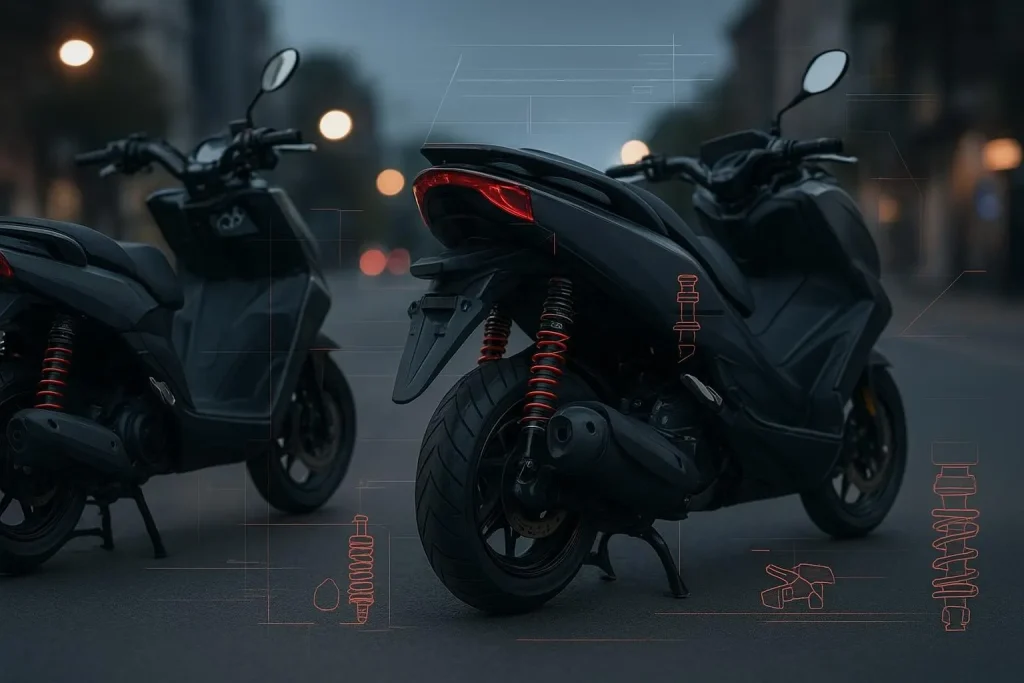
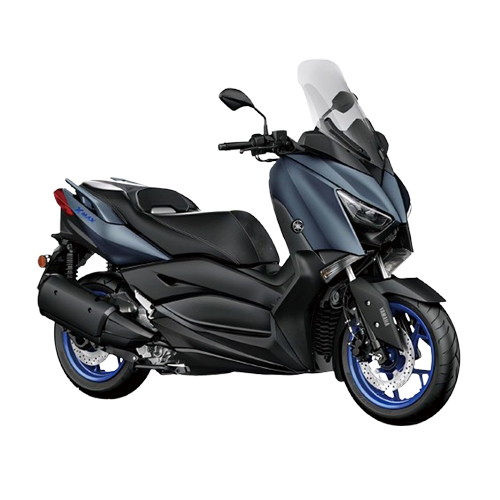
Best Practices for Yamaha Scooter Suspension Program Platforms

Launching a viable suspension line lives or dies by two early choices: which platforms you cover first and what shock family you lead with. For Yamaha scooters, the most defensible starting point is the North American pair of Zuma/BW’S 125 and XMAX 300. Lead with a performance-oriented family and build it on a modular, common-main-tube architecture. This guide details why that order makes sense, how to spec the shocks, and what to test before release—so distributors and engineering teams can move from concept to pilot inventory with confidence.

65349092-44f6-407b-907c-53745e64a761_1536_1024

Territory Exclusivity and Pricing Protection in a Motorcycle Suspension Distribution Agreement

When a performance parts brand appoints a regional partner, two questions decide whether the relationship scales or stalls: How do we grant exclusivity without getting locked into underperformance, and how do we protect pricing without tripping antitrust rules? This ultimate guide answers both, using a motorcycle suspension distribution agreement as the running example—and centering on regional exclusivity with KPI‑triggered loss of exclusivity plus an MSRP program supported by channel‑differentiated incentives.

Scroll to Top