

Making your motorcycle’s suspension better can be confusing. You hear special words. These include monotube vs twin-tube. Also, piggyback and remote reservoir systems. Many riders change their shock absorbers. This is because factory parts are not always perfect. They may not have the right spring rates. Or the best damping adjustments. These are needed for top performance. New shock absorbers make handling better. They also give a smoother ride. No single shock is best for everyone. It depends on how you use your bike. It also depends on your riding style. And the conditions you ride in. How do you pick the right shock for your bike?
Key Takeaways
Monotube shocks are good for tough riding and racing. They cool well and give steady control.
Twin-tube shocks are best for daily rides. They offer comfort and cost less money.
Piggyback and remote reservoir shocks help with heat. They also let you fine-tune your ride.
Choose your shock based on how you ride. Think about your bike’s use and your budget.
Shock Absorber Basics
Shock Absorber Function
Your motorcycle’s suspension does more than just make the ride smooth. It connects your wheels to the frame. This system allows the wheels to move up and down. It keeps your tires on the road. A key part of this system is the shock absorber. It supports the weight of your bike’s rear. It also softens bumps you encounter. Without it, your ride would be very bouncy. The shock absorber controls any up-and-down movements. It provides damping. This stops your suspension from oscillating too much. This ensures a stable and comfortable ride.
Key Shock Components
Understanding the main parts helps you choose the right shock absorber types. Each component plays a vital role. The shock absorber itself is the main part of your rear suspension. It contains several adjustable elements. You have preload adjustment. This sets the starting position of your suspension. It considers your weight and your bike’s weight. This ensures the suspension works in its best range. Compression damping controls how fast your suspension pushes down. This happens when you hit bumps. It affects how your bike reacts to rough roads. Rebound damping manages how quickly your suspension extends back up. This prevents a bouncy feeling after a bump. Knowing these parts helps you understand different types of shock absorbers.
Monotube Shocks: Design and Performance
Monotube Shock Design
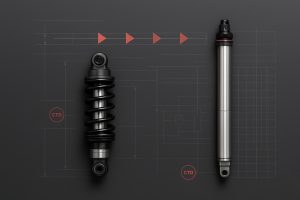
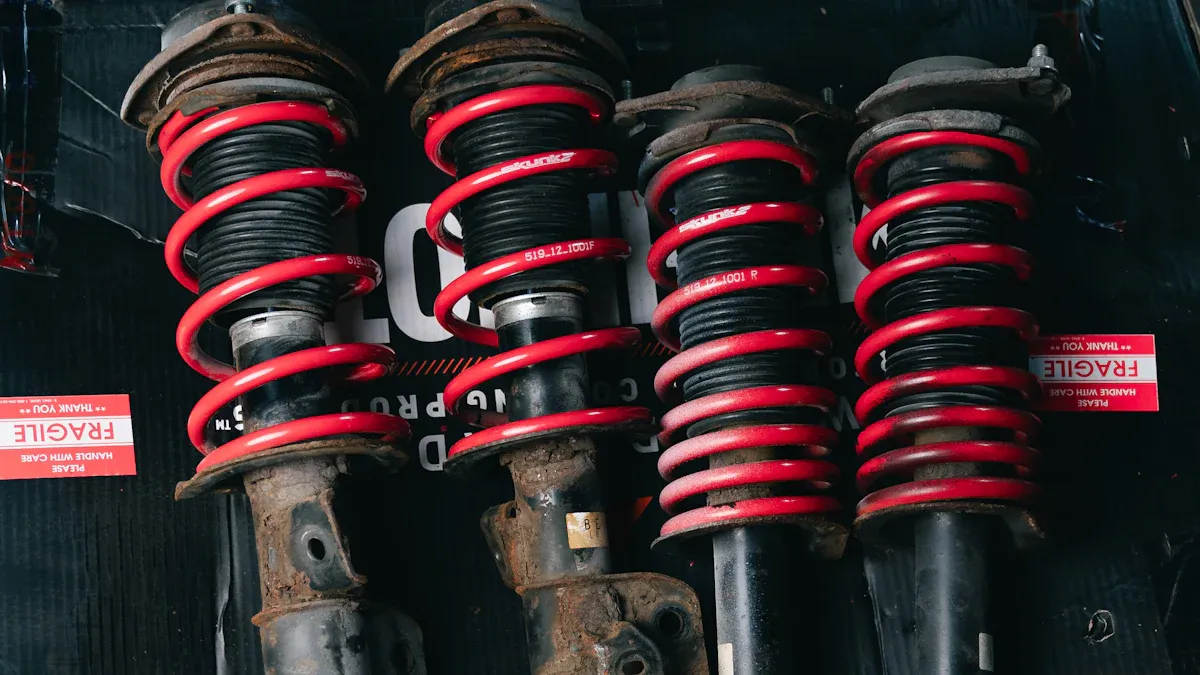
Mono-tube shock absorbers use one cylinder. This cylinder holds oil and high-pressure gas. A floating piston keeps them apart. This stops oil and gas from mixing. This means steady damping. A single-valve assembly spreads pressure. It spreads it out evenly. This lowers stress on parts.
Monotube Advantages
Mono-tube shocks have many good points. A floating piston separates oil and gas. This stops bubbling. Your hydraulic valving works better. The single-valve assembly spreads pressure. It spreads it out evenly. This reduces stress. High gas pressure gives changing performance. It gives more resistance when needed. The gas also helps the spring. This allows better compression over small bumps. It gives faster response to big hits. This makes your control better. Mono-tube shocks have a bigger surface. This helps spread the load. This ensures even pressure. They react faster. This gives you a better feel. About 95% of race cars use them. This is because they work so well.
Monotube Disadvantages
Mono-tube shocks have some bad points. They cost more to make. This is because of how they are built. They need more protection. There is no outer tube to shield them. They are often put on upside down. This protects them from road dirt. A hit to the tube can break the shock. This stops it from working. They can be more expensive. You might also feel a harder ride. This is because of the high gas inside.
Monotube Ideal Uses
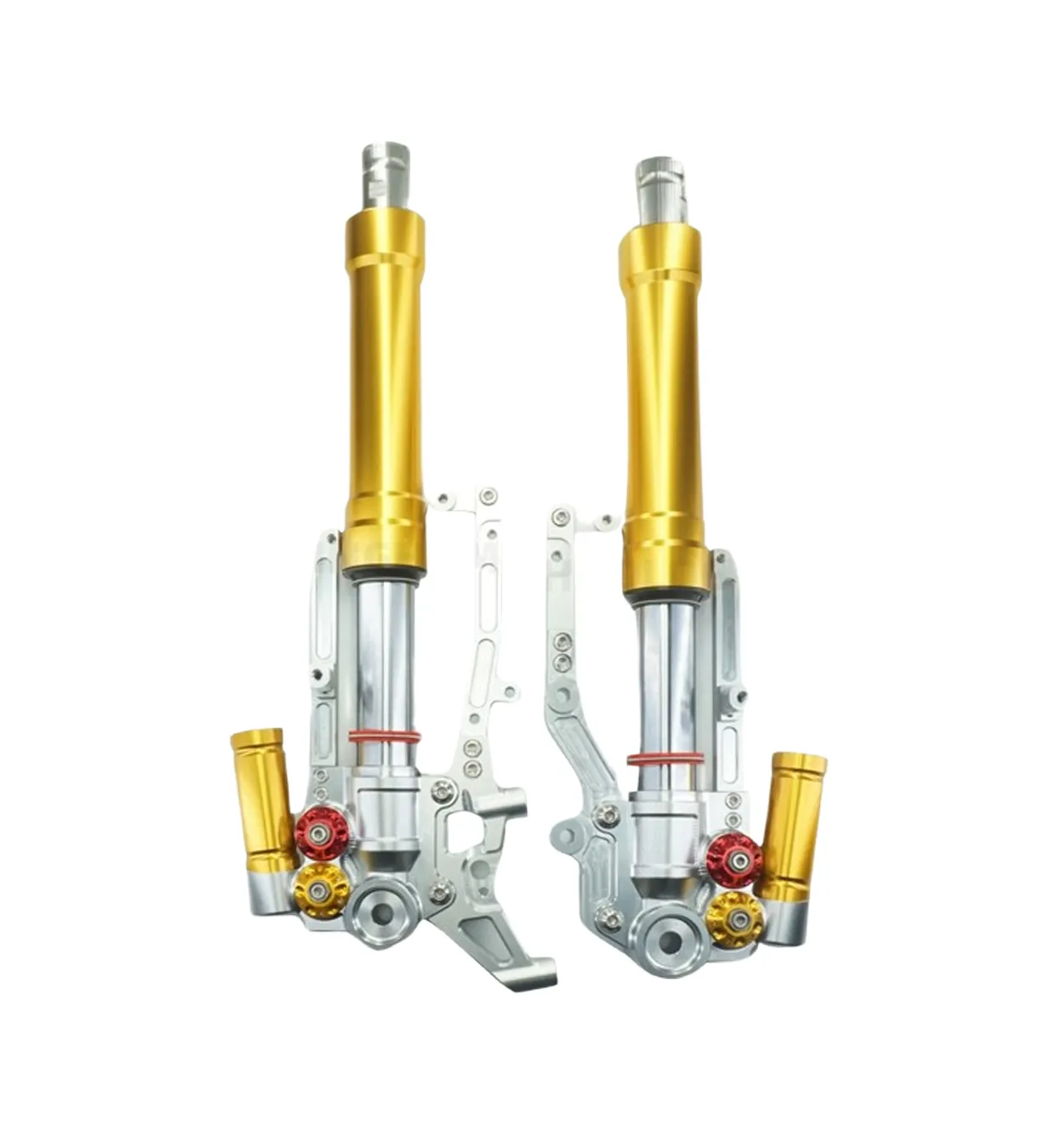
Mono-tube shocks are great for tough rides. They are good for heavy vehicles. This includes UTVs and touring motorcycles. Their strong build handles extra weight. They do not lose damping. Touring motorcycles get a smooth ride. Sport bikes handle road changes well. Off-road vehicles do well on rough ground. For racing, they are the best. They work well in extreme heat. This is because they cool well. Kingham‘s front shocks show these benefits. Their upside-down forks are an example. These designs offer good handling. They also reduce weight for racing.
Twin-Tube Shocks: Design and Performance
Twin-Tube Shock Design
Twin-tube shock absorbers use a clever design. They have two cylinders, one inside the other. The outer cylinder acts as a shell. The inner cylinder holds the piston valve. This piston moves up and down. You will find no separate piston or barrier dividing the oil and gas chambers. The inner tube contains the piston shaft assembly, a base valve, and hydraulic oil. The outer tube holds both nitrogen gas and hydraulic shock oil. This design allows for more piston movement in a compact space. A variation is the foam cell shock. It uses a compact foam sleeve instead of nitrogen gas. This allows for more hydraulic oil, which helps with cooling.
Twin-Tube Advantages
You will find many benefits with twin-tube shock absorbers. They offer a comfortable ride. They are also cost-effective. The low-pressure air or nitrogen in the outer tube prevents oil foaming. This keeps pressure on the oil, even during hard use. This design uses less gas pressure, around 35 psi. This means manufacturers do not need a highly polished piston bore or a floating piston. This lowers production costs. The gas charge acts like a pressure cooker. It prevents foaming and improves ride control. This reduces fade, noise, and roughness. You get greater flexibility in shock valving. This provides a wider range of damping control compared to other types of shock absorbers.
Twin-Tube Disadvantages
However, twin-tube shocks have some drawbacks. They can allow more heat to build up. This is due to their relatively small pistons. They also hold less oil than monotube shocks. The fluid inside can foam if you drive too quickly. This can hurt your ride quality. Aeration can happen because the chambers lack separation. This means air and oil can mix.
Twin-Tube Ideal Uses
Twin-tube shocks are best for general motorcycle riding. You get a good balance of comfort and performance without a high cost. They are an entry-level option. Yet, they offer more refinement and better damping than basic emulsion shocks. Kingham’s conventional front forks are a reliable and cost-effective solution. They are perfect for your daily commute and custom builds. This aligns with the typical applications for twin-tube characteristics.
Piggyback Reservoir Shocks
Piggyback Design
Piggyback reservoir shocks are smart. They use a nitrogen-filled monotube. It has a piggyback reservoir. This has a “Bump Zone.” It boosts damping by 20%. This happens near full compression. This gives you better control. The reservoir helps cool the shock. It stops fading during long use. These shocks use good 5WT oil. This gives steady performance. They have a special piston. It has specific valving. Makers build them with strong aluminum. Parts are CNC machined. Cylinders resist rust. Front shocks have a flat reservoir. This is for space. Rear shocks put the body and reservoir low. This stops shaft damage. The fluid path moves more oil. It moves six times more. This stops leaks.
Piggyback Advantages
Piggyback shocks offer many good things. They are a type of shock. The reservoir piston keeps oil and nitrogen apart. The shock piston never touches gas. This means steady performance. Seal pressure is stable. No nitrogen is in the main shock. This makes parts last longer. No nitrogen mixing means the piston works better. It moves energy into the oil. More surface area and fluid volume help cool it. This means lower heat. It makes the shock more predictable. Lower heat and steady fluid give better off-road control. Piggyback reservoirs hold more oil. This helps longer shocks. They keep oil flow good. They control suspension near the bottom. Reservoirs separate nitrogen from oil. They use an Internal Floating Piston (IFP). This stops mixing. It keeps the shock working well. It stops cavitation. This is when bubbles form in the fluid.
Piggyback Disadvantages
But piggyback shocks have some bad points. They add about 150 to 200 grams. This is extra weight. The piggyback takes up space. You must think about this. It can block bottle cages. Shocks with an outside oil tank cost more. They cost more to buy. They cost more to fix. Some riders may not like the feel. They might find it “wallowy.” This is for cross-country riding. Or for climbing.
Piggyback Ideal Uses
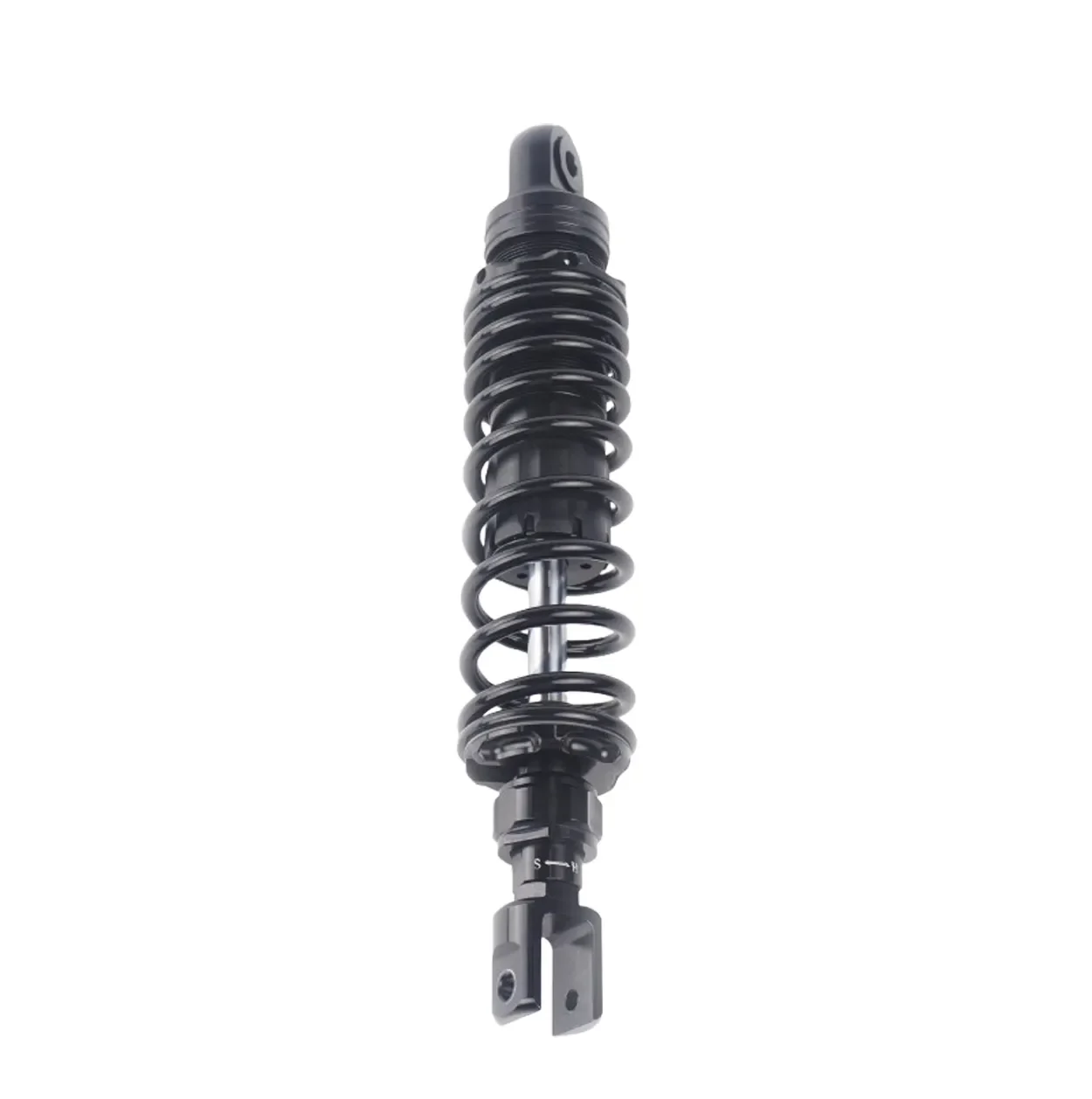
Piggyback shocks are great for tough riding. They are good for racing. They fit Harley-Davidson Dyna models. Also Sportster and FXR models. You can use them for custom bikes. These are twin shock bikes. They are made for comfort. They are made for good riding. Kingham’s rear shocks have piggyback designs. They cool heat better. This makes them good for hard use.
Remote Reservoir Shocks
Remote Reservoir Design
Remote reservoir shocks have a special design. They use a monotube build. This gives steady performance. It does not fade. An outside tank connects to the main shock. A high-pressure hose joins them. This design adds more fluid. The outside tank stores extra fluid. It helps keep fluid levels right. Hoses link this outside tank to the inside part. This moves hydraulic fluid. You can change pressure. This changes how it dampens. This design keeps hydraulic fluid and nitrogen gas separate. This stops air from mixing in. It makes damping steady. These shocks often have a swivel hose. It turns 360 degrees. They also have a special mount. This makes for a neat, low-profile fit.
Remote Reservoir Advantages
Remote reservoir shocks have many good points. They cool down better. The extra oil in the tank helps cool the fluid. This stops the shock from fading. It keeps performance steady. You also get better damping control. These shocks let you adjust more. You can fine-tune your suspension. This matches different driving needs. You will get better handling. The ride will be more comfortable. Their strong build makes them last. They handle tough conditions. This gives them a longer life. These shocks work in many situations. This includes rocky paths or highways. They also work with heavy loads. They give a smooth, controlled ride.
Remote Reservoir Disadvantages
Remote reservoir shocks have some bad sides. They usually cost more to buy. Their complex design adds parts. This makes them cost more to build. Installing them can be harder. You need space for the tank. You also need to route the hose safely. The hose itself could get hurt. This can happen in some riding spots.
Remote Reservoir Ideal Uses
Remote reservoir shocks are great for tough jobs. They are made for top ride quality. They are made for good performance. For example, they fit Harley Touring FL Models well. You can change how they compress and rebound. This lets you set them for different tastes. This includes fast or relaxed riding. You can get them with standard springs. Or with heavy-duty springs. This fits different rider weights. Kingham’s rear shocks with hoses are a good choice. They offer many ways to mount them. This makes them good for small spaces. They also work for different vehicle setups. You can easily adjust them by hand. You do not need tools. This is for changes in rider weight or loads. They even work with stock saddlebags and backrests.
Monotube vs Twin-Tube: Key Differences
Heat Dissipation and Consistency
You may wonder about differences. Let’s look at monotube vs twin-tube. They handle heat differently. Monotube shocks cool better. This is true even if smaller. Good cooling is key for off-road use. Twin-tube shocks cool less easily. Heat goes through both tubes. This traps heat. It makes them hotter.
This heat affects damping. Twin-tube shocks can have cavitation. This is because of two oil chambers. Monotube shocks avoid this. They have one oil chamber. Gas and a piston keep things apart. This makes damping steady. Monotubes can have bigger pistons. This makes shocks react faster. Monotube shocks run cooler. This is due to better cooling. Twin-tube shocks hold heat. Monotube shocks keep oil and gas separate. This stops foaming. You get better valving. You also get less shock fade. This lack of aeration helps damping.
Durability and Protection
Think about strength and safety. Compare monotube vs twin-tube. Monotube shocks are stronger. They have a bigger piston. Their single tube cools better. This means less stress inside. Twin-tube designs are weaker. They have a smaller piston. Their design can build heat. This wears out parts.
Monotube shocks protect parts better. Their single tube holds more fluid. This helps cool heat. It also stops cavitation. Twin-tube designs protect less. The twin-tube design can trap heat. This breaks down fluid. It can damage parts. A mono-tube shock cools very well. This is because of its large surface. It touches outside air. Twin-tube designs cool poorly. The inner tube is surrounded. This traps heat. This makes them hotter.
A mono-tube shock resists cavitation. Gas and oil are separate. A floating piston does this. This stops oil from mixing with air. Twin-tube designs can have cavitation. This is true with heavy use. Oil and gas can mix. This leads to air in the oil. You might feel a spongy ride. Mono-tube shocks perform steadily. This is true even in tough spots. This comes from good cooling. It also resists cavitation. Twin-tube designs can get worse. This is with heavy use. This is due to heat and cavitation.
Cost and Complexity
Also, think about cost and how complex they are. Monotube shocks cost more to make. Their design is simpler. It has fewer parts. But the piston needs to be exact. Gas separation adds to the cost. These designs cost less to make. They have a more complex design. They have two tubes and more seals. But materials are less strict. This keeps their cost lower.
Ride Quality and Travel
Finally, think about ride comfort and travel. Twin-tube shocks feel softer. This is good for daily rides. Monotube shocks feel firmer. Some riders might find this too firm. But this firmness gives more control.
Damping force is also different. These shocks have less damping. This is due to a smaller piston. They also have less oil. Monotube shocks damp stronger. This gives you more control. Twin-tube designs fade more easily. Monotube shocks fade less. This means steady performance for your trip.
Piggyback vs Remote Reservoir: Choosing the Right One
When you pick between piggyback and remote reservoir shocks, several things matter. You need to think about how they fit. You also consider how you adjust them. Their steady operation and how they look are important. The cost also plays a big role.
Packaging and Fitment
You must check your bike’s space. Piggyback reservoirs can be larger. They might not fit well on some bikes. Always check frame and shock clearance. This is true when you upgrade to bigger shocks. Some bike frames have “tunnels” near the seat tube. These can make fitting tight. Make sure nothing hits during full compression. Your seat stays should not hit the seat tube. Your rear tire should not hit the frame. Talk to the manufacturer before you change shock stroke. Even small changes can affect clearance. Some designs offer optimized fitment. They have a horizontal reservoir for more tire clearance. An offset stud design gives maximum shock body to frame clearance. Rear shock bodies and reservoirs can sit low. This stops rocks from damaging the shaft. Outboard mounting gives more clearance for lifted vehicles. A 2.25” shock body often fits without changes.
Tuning and Accessibility
Both remote reservoir and piggyback shocks offer good tuning. You can adjust ‘Lo and Hi-Speed Compression’. This means they have similar ways to fine-tune your ride. Piggyback designs are often seen as an evolution. They simplify the overall design. They also offer a shorter path for heat. This helps with cooling.
Shock Type | Tuning Options |
|---|---|
Remote Reservoir | |
Piggyback | Lo and Hi-Speed Compression adjustment |
Performance Consistency
Both types aim for steady performance. They separate oil and gas. This stops foaming. This helps keep damping consistent. Remote reservoirs often have more fluid. This can help with heat management over very long, hard use. Piggyback designs also manage heat well. Their integral design can offer a direct path for heat to escape.
Aesthetic and Cost Factors
Many riders love the look of external shock reservoirs. Some feel a truck looks incomplete without them. They can offer improved aesthetics. You might see slick anodized grey and black finishes. However, these upgrades are not cheap. A remote reservoir shock set can cost over $3,000. External reservoir shocks can be very expensive. They might be “overkill” if you only ride lightly. High cost does not always mean you need them for your riding style.
You need to pick the right shock absorber for your motorcycle. It makes a big difference. Match the shock to how you use your bike. Think about your riding style. Also, think about the conditions you ride in.
Street and Commuter Bikes
You ride your bike every day. You go on city streets and highways. For this, twin-tube shocks work best. They give a comfy ride. They also save you money. Their design handles daily bumps well. You get good damping. You avoid high costs. Twin-tube shocks give reliable comfort. This is for your daily trips. They are a good choice for most street riders.
Sport and Track Performance
You push your motorcycle hard. You ride fast on the track. Or you ride aggressively. For this, you need good suspension. Monotube shocks with piggyback or remote reservoirs are perfect. They give great performance. They offer exact control.
Many top systems exist. These are for racing bikes. This includes Supersport shocks. They work well on roads and tracks. You can find TTX (Twin-Tube) technology. This design separates damping circuits. It gives you exact control. It offers steady operation. This technology gives great response. It also gives stability. Pro riders often choose it. STX (Single-Tube) technology is also an option. It is small and light. It offers great damping. It balances comfort and control. Some systems have Smart EC. This is electronic control. It uses sensors. It adjusts damping fast. It changes for different conditions. This gives the best results. These advanced shocks control damping forces. They give better handling. They improve cornering and stability. This means better grip. You get better vehicle dynamics. Penske Shocks offers ‘Road Racing’ shock absorbers. This shows they are good for tracks.
Off-Road and Adventure Riding
You take your bike off roads. You ride on rough ground. You go long distances. You need shocks that are strong. They must handle tough conditions. Monotube shocks with piggyback or remote reservoirs are great. Their design handles heat better. This stops fading. This is for long, hard rides. The separated oil and gas ensure steady damping. This is key for constant bumps. It is also key for obstacles. Remote reservoirs hold more fluid. This helps with cooling. This is for long trips. You also get strong construction. They can handle impacts. They handle stress from off-road riding.
Touring and Cruiser Comfort
You like long trips. You like a relaxed ride. You often carry bags. Or you carry a passenger. For touring and cruiser bikes, a smooth ride quality is key. Stability is also key. Shocks with adjustable features are important. You can change them. This is for different loads. It is also for road conditions. Remote reservoir shocks can be a good choice. They offer flexible mounting. This helps if your bike has little space. You can also adjust them easily. This lets you change settings. This is for rider weight or cargo. This ensures a comfy ride.
Beyond Design: Budget and Brand
You have looked at different shock designs. Now think about your budget. Also, think about the brand. Not all shocks are the same. Kingham Technology is a partner. They make motorcycle suspension better. They have 15 years of experience. This is in research and development. Kingham cares about quality. They care about new ideas. Their factory has ISO 9001. This means high standards.
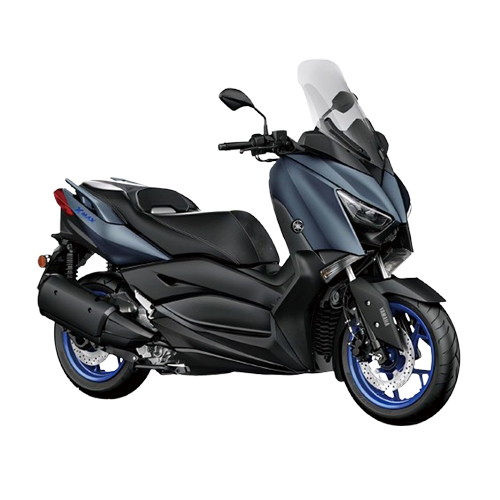
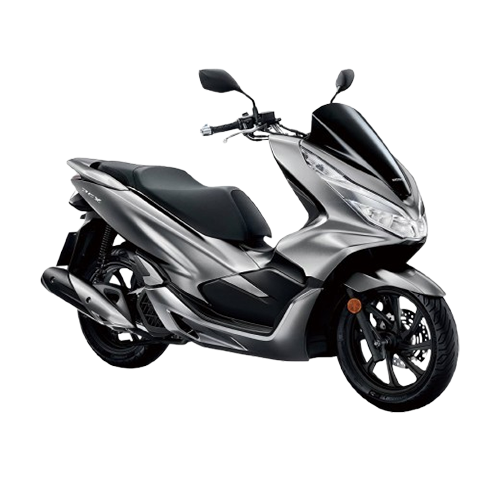
Kingham offers OEM/ODM solutions. They make custom suspension upgrades. This is for many brands. You can find solutions for Yamaha. Also for Honda. And Harley Davidson. They showed their skills. This was at the 137th Canton Fair. Choose a good brand like Kingham. This ensures a high-quality product. You get strong parts. You get advanced engineering. This makes your riding better.
Choosing the right shock is personal. No single option fits all bikes. Monotube vs twin-tube designs offer benefits. Monotube works well in tough conditions. Twin-tube gives a comfy ride for daily use. Piggyback and remote reservoirs help with heat. They also help with tuning. Think about where you ride. Think about what you expect. Think about your budget. Make a smart choice. This makes your bike better. Kingham is your partner for good suspension.
FAQ
What is the main difference between monotube and twin-tube shocks?
Monotube shocks have one cylinder. A floating piston separates oil and gas. This gives steady damping. It also cools better. Twin-tube shocks use two cylinders. They give a comfier ride. They cost less. They are good for daily use.
When should you choose a piggyback reservoir shock?
Choose a piggyback shock for tough riding. Or for racing. Its design cools the fluid better. This stops fading during hard use. You get better control. Performance stays steady. Kingham’s piggyback designs cool heat well. This is for hard use.
Why might you pick a remote reservoir shock over a piggyback?
You might pick a remote reservoir shock. This is for flexible mounting. The separate tank connects with a hose. This helps if your bike has little space. It also makes adjustments easier. You can fine-tune your suspension. This is for different loads or conditions.
Are Kingham shocks suitable for your daily commute?
Yes, Kingham has good options. These are for your daily commute. Our regular front forks are reliable. They are also cheap. They give a comfy ride. This is for city streets and highways. You get steady performance. This is for your daily trips.