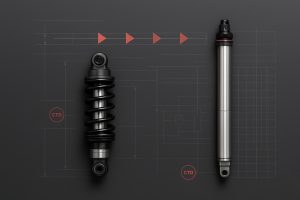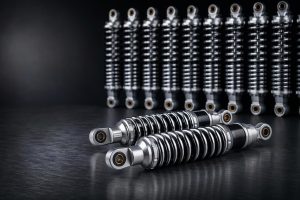
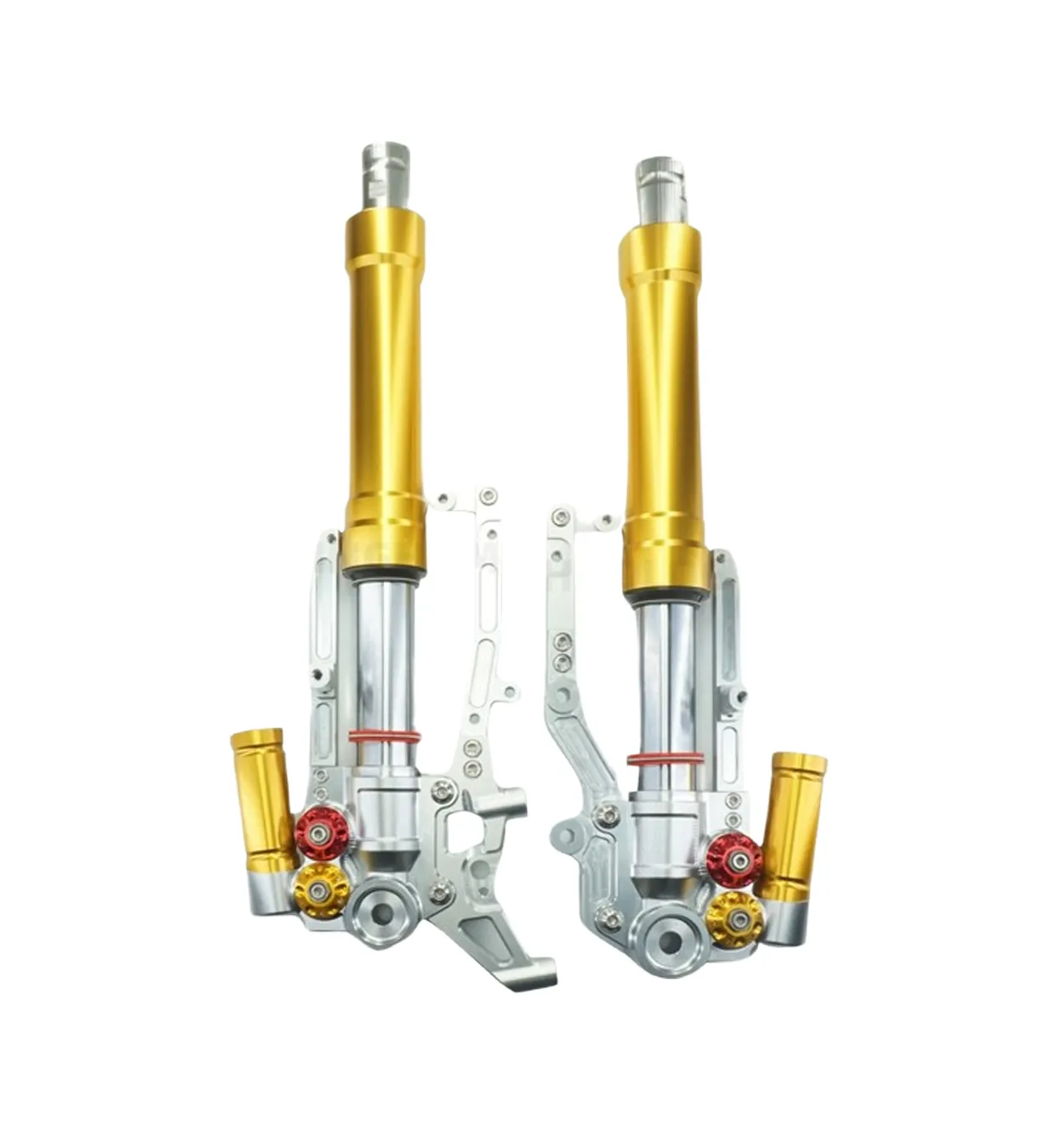
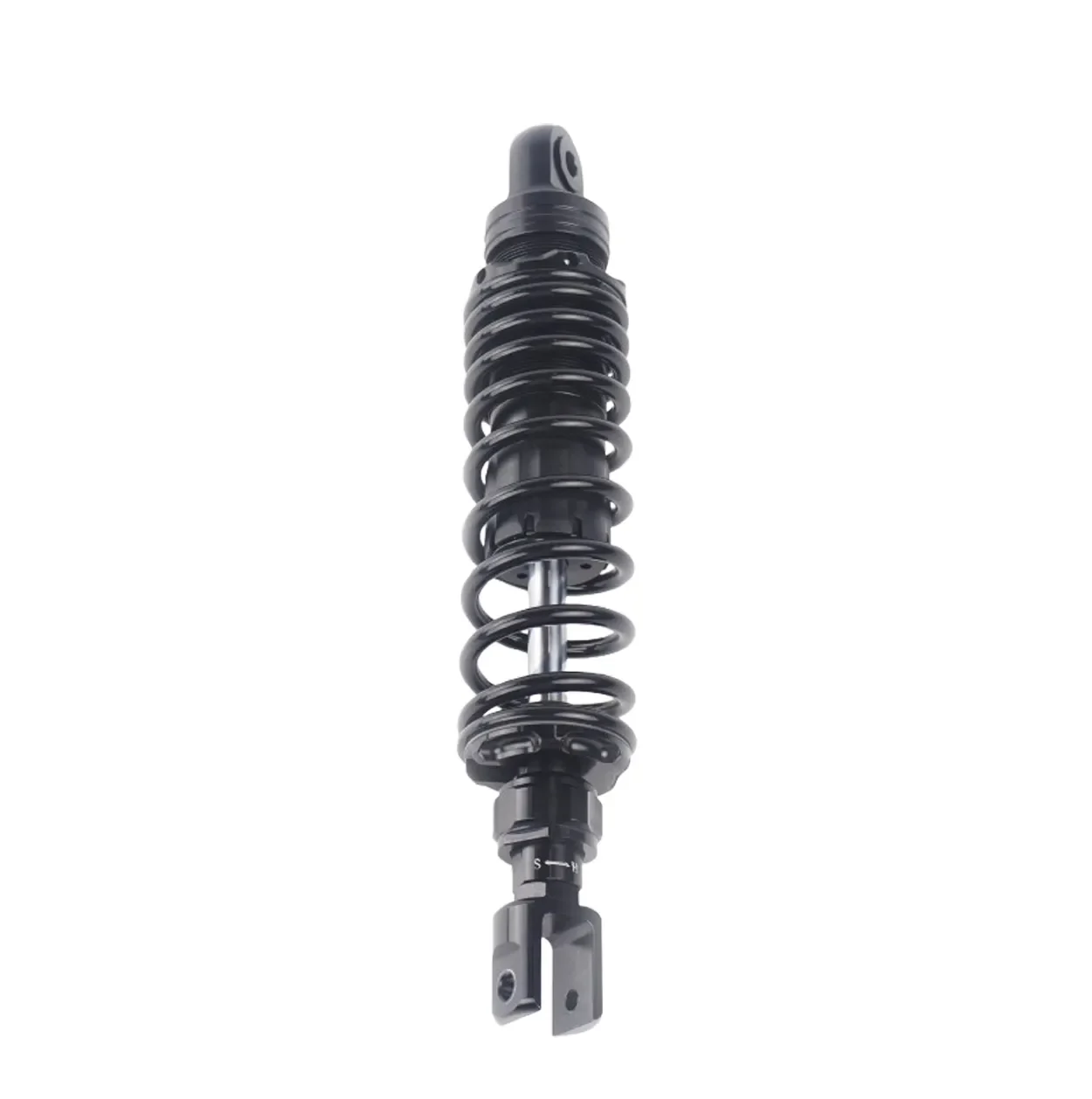
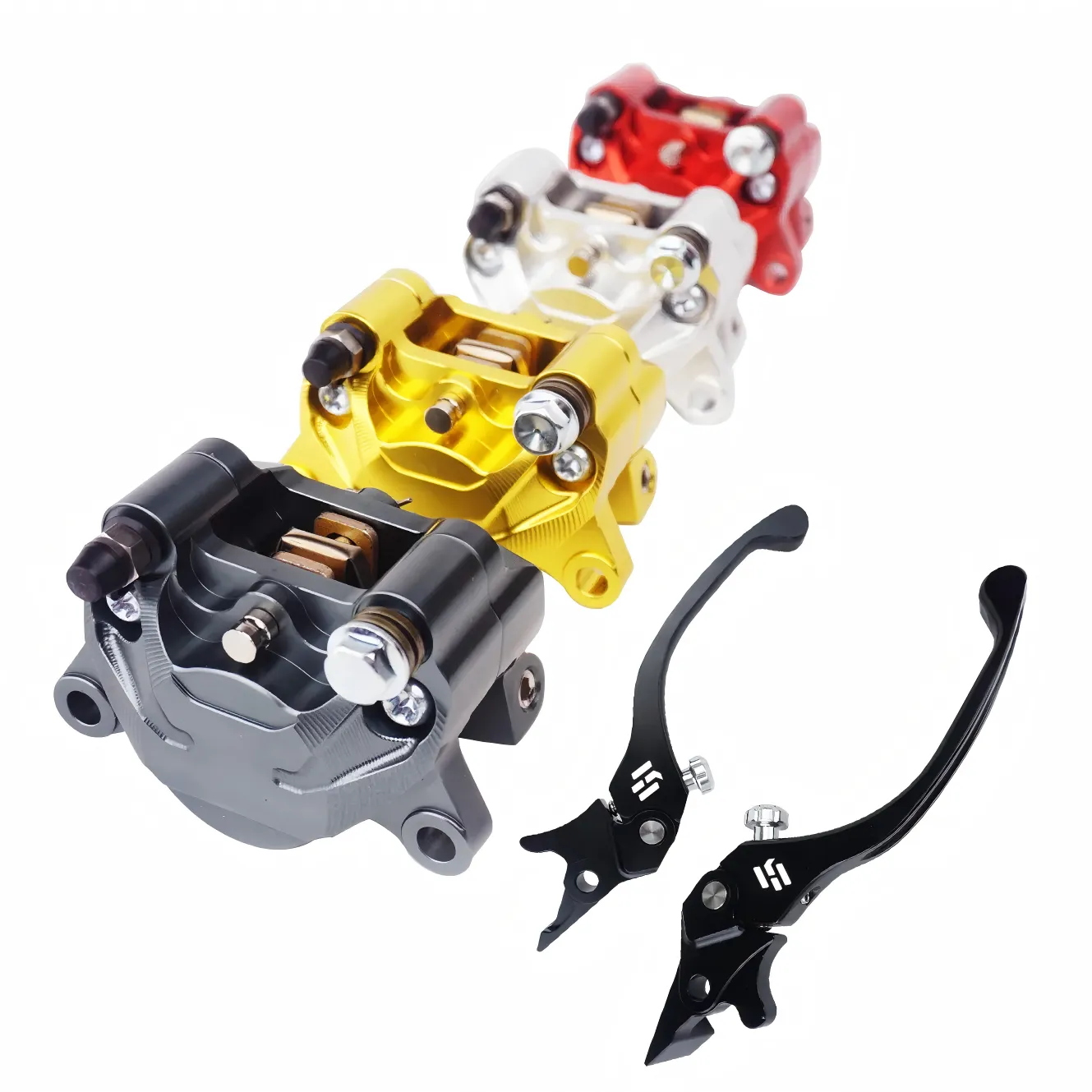
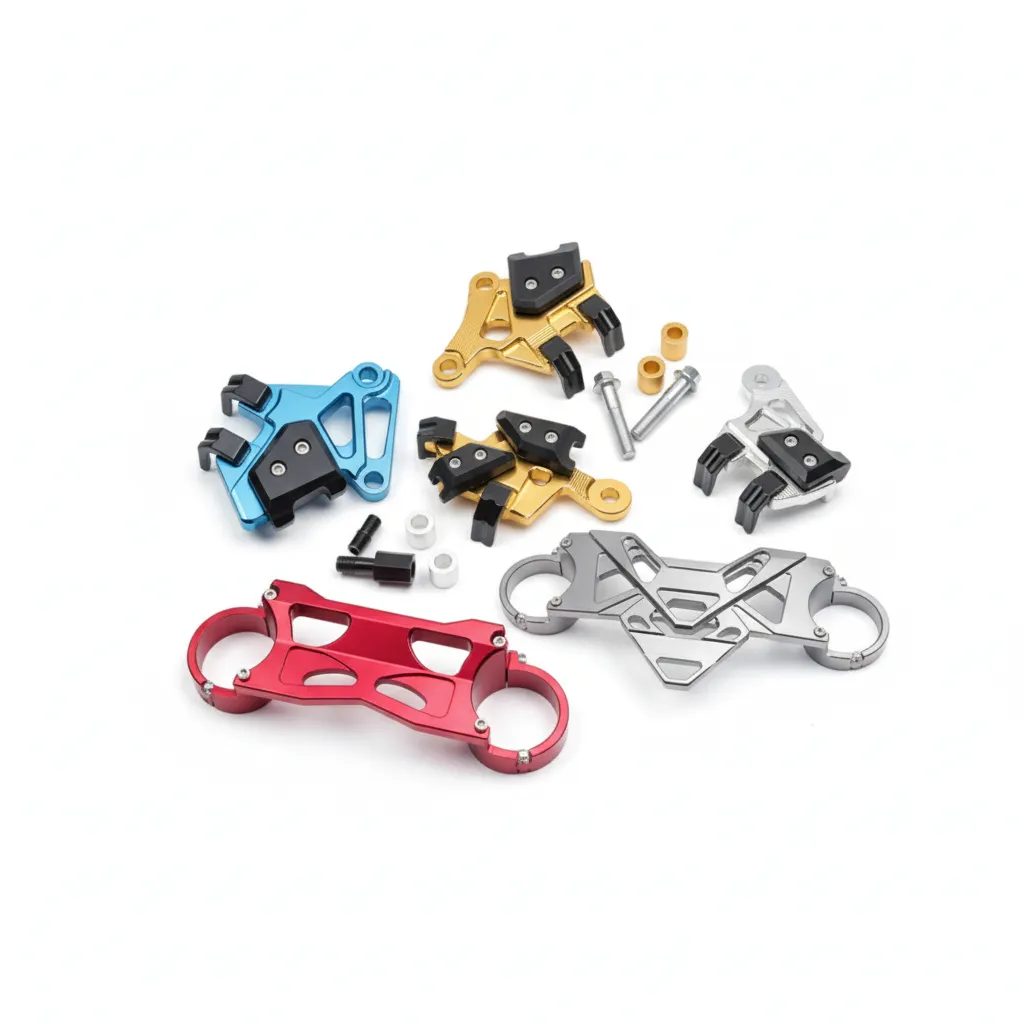


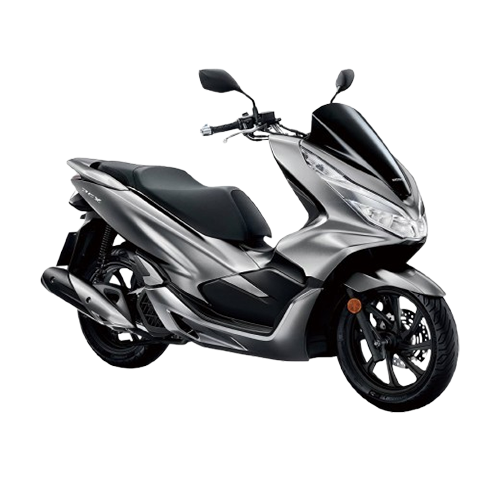
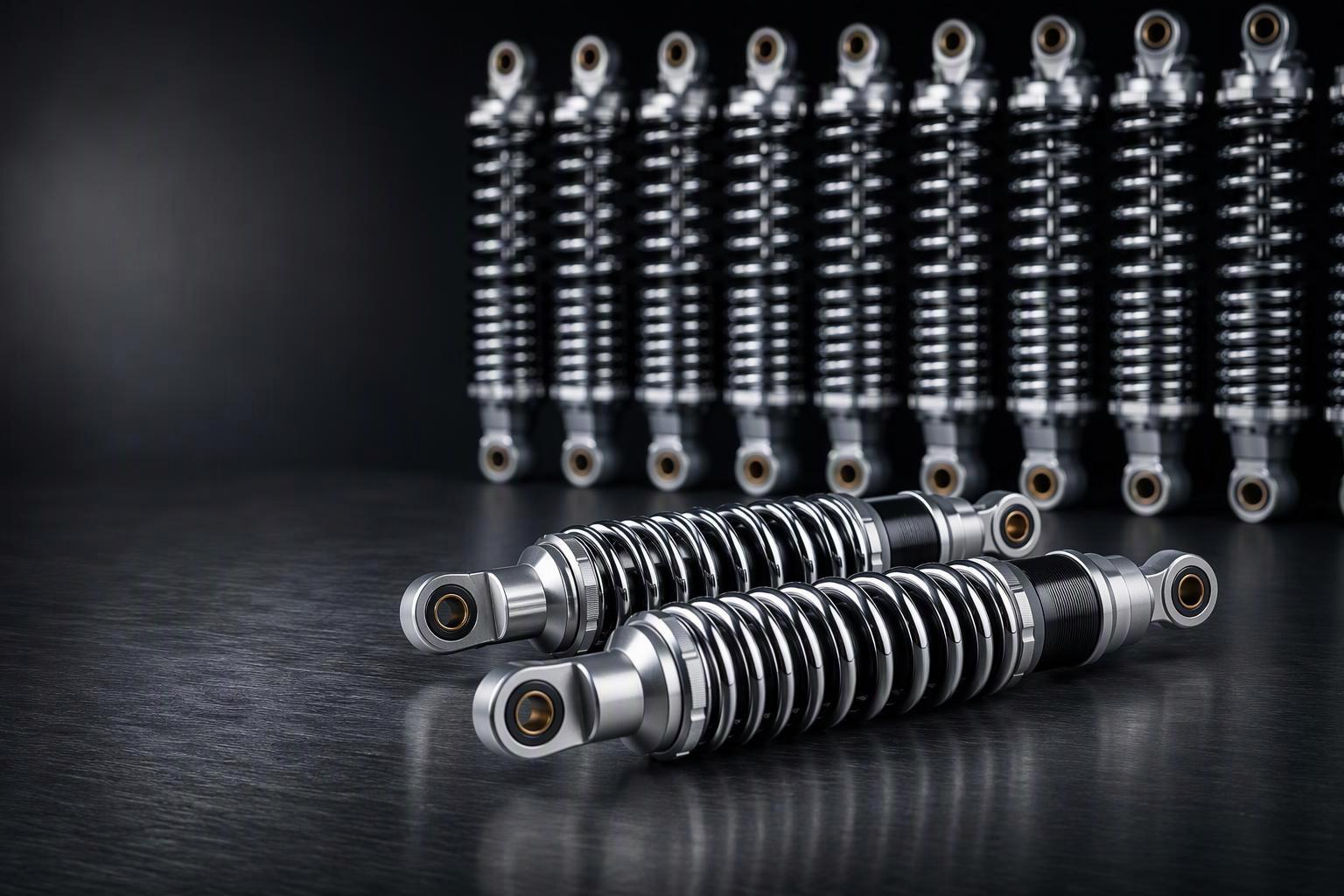
The challenge isn’t finding a Yamaha shock absorber. It’s deciding which platforms to stock, which setup and tier to offer, and how much inventory to commit. Get those three decisions right, and a first order built around two or three platforms will do more for your margin than a broad, shallow buy across the whole range. This guide walks the sequence that gets you there: platform selection, market configuration, SKU mix, order control, then reorder.
That sequence is harder to run than it sounds, because a global Yamaha sales mix doesn’t tell you which platforms have enough local aftermarket demand to justify stock. Yamaha’s FY2025 integrated report puts emerging-market motorcycles at 73.8% of motorcycle revenue against 23.9% for developed markets — a useful sense of scale, but no help when you have to choose between an NMAX and an XMAX for your own warehouse.
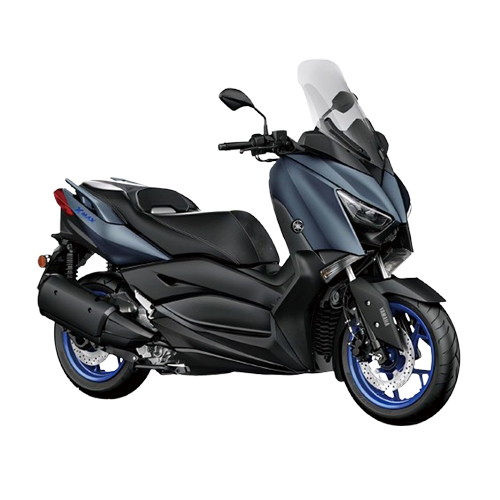
A worldwide platform ranking doesn’t translate into a first order, and a first order usually works better as two or three platforms carried properly than as six carried badly. In a Yamaha scooter program the NMAX and XMAX are useful references because they represent two different demand and positioning cases — whether both belong in your first order still depends on local dealer demand. That is the judgement this guide helps you make, step by step.
Which Yamaha platforms should come first?
Start with the platforms your dealers already ask for, not the ones that look strongest on a global best-seller list. The two rarely match, and NMAX against XMAX is the clearest example. The 2026 XMAX runs a 292cc engine at 403 lb wet (Yamaha Motorsports USA 2026 XMAX specifications), well above an NMAX, so the two carry different spring and damping requirements and can’t simply be pooled into one volume order.
Your own request history outranks any external ranking. A model that leads in one region tells you where Yamaha sells, not what your dealers service, so treat global figures as background and let twelve months of dealer requests decide.
Use the matrix below before you commit a Yamaha scooter suspension order. Platforms that score well on local demand and existing dealer base belong in the first stock buy; everything else stays customer-led until the evidence changes.
Platform | What to check locally | When it earns first-stock status |
|---|---|---|
NMAX Series | Dealer requests, commuter use, existing fitment demand | Repeated requests plus an established dealer base |
XMAX Series | Dealer base, higher-value customer segment, upgrade demand | Consistent demand that justifies higher-value stock |
Aerox / NVX | Sport-commuter demand, local aftermarket activity | Repeated requests from relevant dealers |
Mio / Fazzio / Fino | Commuter market depth, local model concentration | Local demand broad enough to support stock |
Y15ZR / Y16ZR / LC135 / LC150 | Market-specific model concentration | Only where local demand is proven |
YZF R15 | Sport-bike aftermarket demand | Customer-led until demand is consistent |
Use this as a decision framework, not a ranking. The columns tell you what to check locally and when a platform earns first-stock status; they don’t claim which platform will sell in your market. That is what your own dealer request history answers.
How should each platform be configured for your market?
A Yamaha scooter suspension order can’t be built from one specification, because the same platform is ridden differently in different markets. Treat it as a chain: market → road and load → setup → tier → SKU. Work it in order and every SKU decision has a reason behind it. Skip a step and you commit to a mix that fits only part of your dealer base.
It starts with road quality. Where scooters routinely run on uneven or poorly maintained roads, suspension setup becomes a market decision rather than a default. A commuter-heavy market with relatively smooth urban roads may justify a comfort-oriented mid-tier setup, while a market where scooters regularly face rougher surfaces may justify a different spring and damping specification. The goal isn’t to choose a “better” shock in the abstract, but the specification that matches the job the platform does locally.
Load works the same way. If a platform is regularly used with a passenger or a heavier load, the spring and damping specification should be reviewed rather than relying on preload adjustment alone, and where that load case is the norm, a different tier is usually the right answer.
This is the part of the chain your supplier can’t guess for you. Tell them your market’s road and load conditions, or the setup advice you get back is only a starting point — a supplier set up for this work builds the spring and damping specification around those inputs rather than offering one fixed tune, and that flexibility is what makes a market-specific setup realistic.
From there the setup and tier follow naturally. A platform used mainly for urban commuting usually points to a comfort-oriented setup, while one worked harder under load or on rougher surfaces earns the cost of a performance-oriented setup and a higher tier. Colour and finish come last: a commercial choice that follows the setup decision, not a substitute for it. Where the platform is new to your range, the suspension OEM development process from requirements to SOP shows how far that specification work normally runs before a first order.
How do you turn platform choices into a workable first order?
MOQ should influence how many variants you introduce, not simply how many units you buy. That single shift in thinking is what separates a first order that sells through from one that ties up capital in slow-moving combinations.
The arithmetic adds up fast. Three tiers × four colours × two configurations already creates 24 variants before model-year differences enter the picture, and that is the number your MOQ applies to. Even when the unit MOQ is manageable, that many variants can make a first order unnecessarily wide. SKU breadth multiplied by MOQ is your inventory exposure, and it grows faster than most buyers expect.
The table below shows how each choice narrows or widens that exposure. It is an illustration of the arithmetic, not a recommended SKU count.
Variant driver | Narrow first order | Wide first order |
|---|---|---|
Tiers | 1-2 | 3 |
Colours | 2 proven finishes | 4 or more |
Configurations | 1 per platform | 2 or more |
Platforms | 2 core, 1 secondary, 1 test | All six |
Variant count | small once colour and configuration are held back | grows quickly before model years are counted |
A workable structure ties tier breadth to demand confidence.
Core platforms have proven demand, so they can justify more than one tier. Secondary platforms show demand but not enough evidence, so they commit to one tier rather than mirroring the full range. Test platforms have no reliable read yet, so they stay customer-led with limited SKUs. Colour belongs in the same calculation: let it follow market demand rather than multiply SKUs at launch, prioritising proven finishes first and treating special colours as customer-led with lower commitment.
This is also where a supplier’s prototyping speed matters. A mix that has to be tested before a full commitment is far easier to approve when a sample or drawing comes back in days rather than months, because you can validate fit and setup without tying up the whole order.
Before you commit, list every variant your first order would create and confirm the MOQ applies to that list, not to a headline unit count. For how MOQ, tooling, samples and lead time work in a shock OEM program, see our breakdown of the full OEM process. A supplier’s role here is to make the trade-offs visible and tell you plainly what a given mix will cost and take to produce — but which variants actually sell through stays your call, because only your market can answer it. That is exactly what the sell-through signals in the next section are for.
What should be locked before the first order is quoted?
The shocks are the easy part. What decides whether a first shipment sells through cleanly is everything you lock down before the order is quoted. Four categories cover it: fitment, commercial configuration, order structure, and shipment.
Fitment comes first, because nothing else matters if the part doesn’t fit. Confirm the model, the model year, and the fork or mounting configuration before quantities are finalised — that is how you avoid cartons you cannot sell.
Commercial configuration covers the tier, adjustability, finish and any private-label or colour program. These are scope-based decisions reviewed against your brand positioning, so raise them before quoting rather than after, since they change both price and schedule.
Order structure means the SKU list, quantity per SKU, the MOQ that applies to it, and the mixed-order rules if you are spreading the order across platforms. Decide these together rather than in sequence, because a headline unit count can hide a variant list you cannot clear.
Shipment and warehouse covers individual packaging that protects each unit, a master carton that survives international freight, one unambiguous part number and quantity per carton so a warehouse team can receive, put away and reorder-count without guessing, and the lead time that sets your first reorder window.
The economics test is simple: can this order be received, identified, stocked and sold without creating SKU exposure you cannot clear? If a line item can’t pass that test, cut it before the order is placed — not after it lands in your warehouse.
What should you check before reordering?
A reorder decision reads six signals together: sell-through, inquiry frequency, stock-outs, excess stock, customer feedback and after-sales issues. Total sales alone cannot separate a platform that sold well from one that sold out of a single SKU and left the rest on the shelf, so the signals have to be read as a group.
Sell-through is the anchor: units sold divided by units received over the same period. Track it by SKU, not only by platform, or one fast-moving variant and one slow-moving variant average out and hide each other.
The real trap is a stock-out and an excess-stock signal appearing on the same platform in the same period, where only a per-SKU read separates them.
Signal | What it may mean | Next action |
|---|---|---|
High sell-through + rising inquiries | Demand is strengthening | Increase or repeat the order |
Low sell-through + few inquiries | Weak demand | Reduce or drop the SKU |
Repeated requests for an unstocked model | Missing SKU | Add and test it |
Excess stock | SKU too broad, or demand weaker than expected | Reduce next order |
Repeated after-sales issues | Specification or fitment problem | Review before reordering |
Frequent stock-outs | Order too small, or mix is wrong | Rebalance the mix |
Read lead time in the same pass, because a reorder placed on last quarter’s sell-through can arrive after the demand window has closed. Get the group right and the cycle repeats — first order, market feedback, SKU adjustment, reorder — with each pass leaving you a sharper Yamaha suspension SKU mix and less guesswork to carry into the next buy.
When your platforms and setup are settled, the next move is to price the mix. Send us your target Yamaha platforms, the tier or setup you intend, your initial SKU or quantity direction, your target market, and any private-label or colour requirements. We’ll quote against real MOQ and lead-time terms rather than a generic list. Request your Yamaha program quote and your details go straight to our engineering team.