









When a performance parts brand appoints a regional partner, two questions decide whether the relationship scales or stalls: How do we grant exclusivity without getting locked into underperformance, and how do we protect pricing without tripping antitrust rules? This ultimate guide answers both, using a motorcycle suspension distribution agreement as the running example—and centering on regional exclusivity with KPI‑triggered loss of exclusivity plus an MSRP program supported by channel‑differentiated incentives.
Note: The material below is informational and not legal advice. Laws vary by jurisdiction; consult qualified counsel before implementing.
Glossary: Concepts You’ll Use Throughout
- Exclusive territory: The distributor receives protected rights in a defined geography or customer group. Under the EU’s vertical framework, suppliers may restrict others’ active sales into that protected area while leaving passive sales open. See the safe-harbor rules in the EU’s Vertical Block Exemption Regulation (VBER) (Reg. 2022/720) and the Commission’s guidance.
- Shared exclusivity: A model where the supplier designates up to a limited number of exclusive distributors in the same territory or customer group. Leading commentaries on the 2022 VBER clarify a cap of up to five distributors within the safe harbor, subject to market-share thresholds and avoiding hardcore restrictions, as summarized by top-tier firms.
- Active vs. passive sales (EU): Active sales target a territory/customer group (e.g., local ads, targeted outreach) and may be restricted to protect exclusivity; passive sales (e.g., responding to unsolicited orders, a generally accessible website) must remain free.
- MSRP, MAP, RPM (US-centric meanings): MSRP is a non-binding suggested retail price; MAP governs advertised prices only; RPM is an agreement on minimum resale prices for transactions (federal rule-of-reason analysis post‑Leegin, while state law can be stricter). Properly structured MSRP programs with channel‑differentiated benefits avoid tying incentives to actual resale price.
For primary sources and authoritative commentary, see: the consolidated VBER text on EUR‑Lex; the European Commission’s 2022 explanatory note; the CJEU’s Coty and Pierre Fabre decisions on online restrictions; the U.S. Supreme Court’s Leegin opinion; and the FTC’s 2022 Section 5 Policy Statement (links in the bibliography section).
Legal Framework Snapshot: The Guardrails That Shape Your Deal
- European Union (VBER 2022/Vertical Guidelines). Suppliers can protect an exclusive territory or customer group by restricting buyers’ active sales into that area, but they generally cannot restrict passive sales. Internet restrictions that prevent effective online sales are hardcore restraints. The regulation’s safe harbor typically requires that supplier and buyer each have ≤30% market share. Shared exclusivity is recognized when carefully structured and capped within guidance. Authoritative references include the VBER consolidated text on EUR‑Lex and the Commission’s 2022 explanatory note.
- Online marketplaces in the EU. In selective distribution systems for qualifying goods, a proportionate ban on discernible third‑party marketplaces can be compatible (Coty Germany, 2017); however, blanket online sales bans are problematic (Pierre Fabre). The practical takeaway: write qualitative, proportionate criteria and avoid anything that effectively limits passive sales volume.
- United States. Minimum RPM is analyzed under the federal rule of reason after Leegin (2007). MAP policies can be lawful when unilateral (Colgate‑style) and limited to advertised pricing, but coercive conduct, hub‑and‑spoke collusion, or policies that morph into agreements on transaction prices can raise risk—especially in light of the FTC’s 2022 Section 5 Policy Statement. State laws vary; some states historically treat minimum RPM more strictly, so counsel review is essential.
- Southeast Asia. Most jurisdictions apply effects‑based analysis to vertical restraints, but the specifics vary and the enforcement posture can be stricter on RPM and territorial partitioning in certain markets (e.g., Indonesia’s KPPU). Because text and enforcement evolve, flag SEA provisions for local counsel validation before you lock terms.
Why open with law? Because it defines your option set. From here on, we’ll design a regional model that works within those lines—and show how to build performance triggers and MSRP‑centric protection without stepping over.
Designing Regional Exclusivity for a Motorcycle Suspension Distribution Agreement
Start with a precise territory and channel scope. For a suspension program, you might define a multi‑country region where the distributor has sole rights to develop and service brick‑and‑mortar dealers plus authorized e‑commerce, subject to EU rules on passive sales if applicable. Keep carve‑outs explicit (e.g., OEM sales, government tenders, or named key accounts) and document how cross‑border online orders will be handled.
Carefully address shared exclusivity. If performance lags, you may step down from sole exclusivity to shared exclusivity (up to the permitted cap within EU safe‑harbor logic) before moving to non‑exclusive status. This ladder creates incentive without empty threats.
Here’s an example clause skeleton for territory and exclusivity (illustrative only):
Exclusive Appointment and Territory
1. Appointment. Supplier appoints Distributor as its exclusive distributor for the Products in the Territory, subject to Sections 2–6.
2. Territory. “Territory” means the countries listed in Schedule A. Supplier reserves OEM sales and sales to Named Accounts in Schedule B.
3. Active/Passive Sales (EU where applicable). Distributor shall not actively target customers in territories or customer groups allocated exclusively to other distributors. Passive sales shall remain unrestricted.
4. Online Channels. Distributor may sell via its own website and approved marketplaces subject to qualitative standards in Schedule C. Supplier may restrict discernible third‑party marketplaces in a selective system where proportionate and uniformly applied.
5. Shared Exclusivity. Upon a KPI Trigger (Schedule D), Supplier may convert Distributor’s status to shared exclusivity with up to [X] distributors in the Territory.
6. Step‑Down. Upon a subsequent KPI Trigger, Supplier may convert Distributor’s status to non‑exclusive.
KPI Architecture and a Predictable Loss‑of‑Exclusivity Ladder
What you measure is what you get. In a motorcycle suspension distribution agreement, balanced KPIs typically include: sell‑in volume by SKU family, dealer coverage (and quality), certified technician capacity, service turn‑around SLAs, and execution against an agreed marketing plan.
- Measurement and reporting. Define data sources (purchase orders; limited pilot sell‑out with serial or invoice validation), cadence (monthly ops reports; quarterly KPI certification), and audit rights (reasonable notice; proportionate scope). Use objective documentation like proof‑of‑performance for marketing activities.
- Cure windows and proportionate remedies. Give time to cure genuine misses while preserving the right to step down exclusivity if repeated misses persist. Keep the ladder transparent so incentives are real.
A simple KPI trigger ladder could look like this:
| KPI Result vs. Target (rolling) | First Occurrence | Second Consecutive Quarter | Third Consecutive Quarter |
|---|---|---|---|
| ≥ 85% | Status quo | Status quo | Status quo |
| 70%–84% | Notice + 60‑day cure | Convert sole → shared exclusivity | Maintain shared exclusivity |
| < 70% | Notice + 60‑day cure | Convert sole → shared exclusivity | Convert → non‑exclusive |
And here’s an example clause skeleton for KPIs and step‑downs:
KPIs, Cure, and Step‑Down
1. KPIs. The KPIs in Schedule D (volume by SKU family, dealer coverage %, certified technicians, SLA attainment, and marketing execution) apply per quarter and annually.
2. Reporting. Distributor shall submit monthly operational data and a quarterly KPI certification, including evidence reasonably sufficient for verification.
3. Cure. If any quarterly KPI is below 85% of target, Supplier may issue notice. Distributor shall have 60 days to implement a corrective plan and cure.
4. Step‑Down. If KPIs remain below 85% for two consecutive quarters, Supplier may convert status from sole exclusivity to shared exclusivity. If below 70% for three consecutive quarters, Supplier may convert to non‑exclusive distribution.
5. Audit. Supplier may audit KPI evidence on reasonable notice and during business hours. Audits shall be proportionate to the verification need.
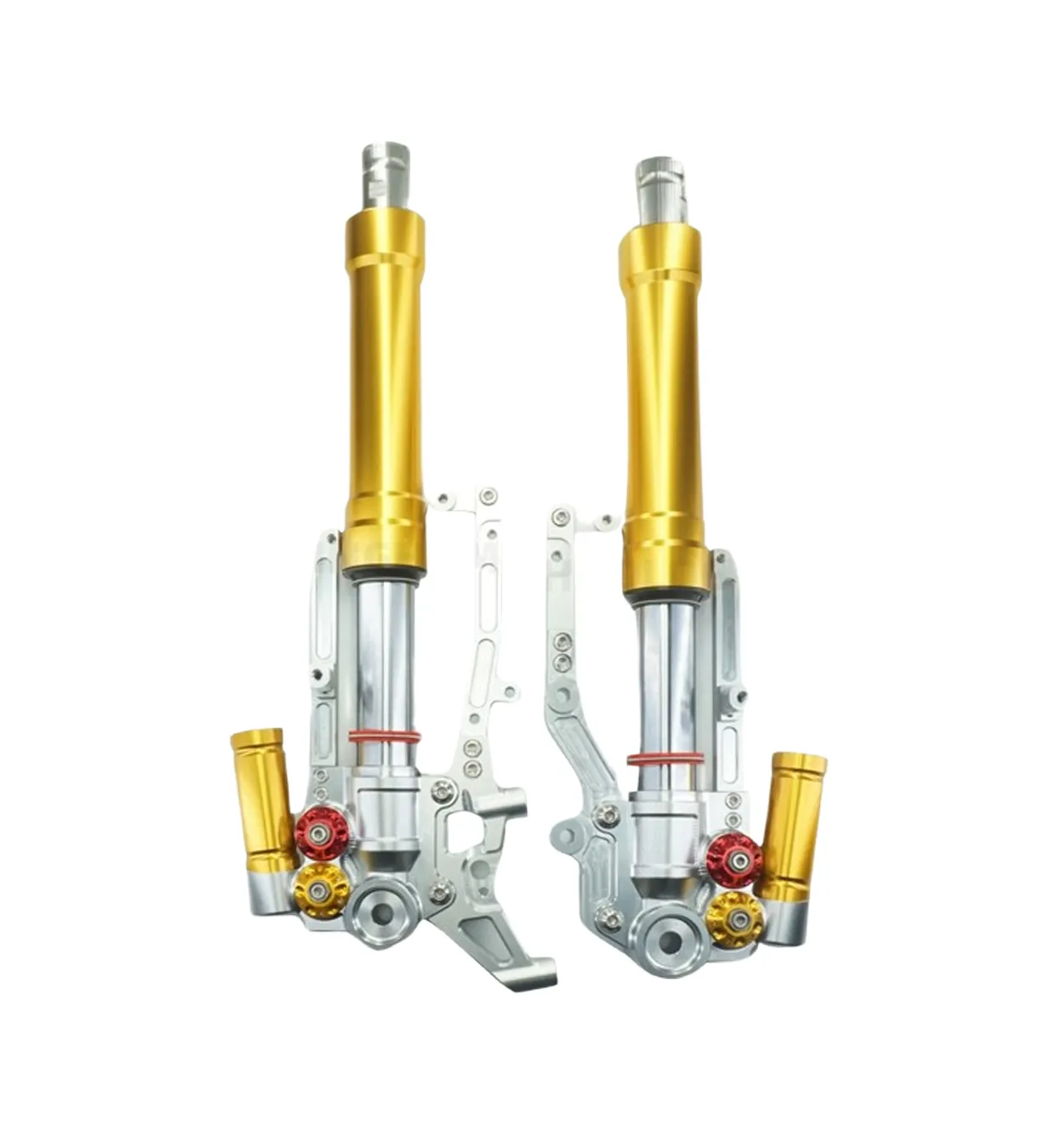
Design KPIs by SKU family. Suspension portfolios often revolve around platform families (e.g., PCX or NMAX scooters). Target by family reduces sandbagging and clarifies coverage expectations. For readers who need a concrete example of platform structuring, see a representative scooter program page for context, such as the non‑legal, category overview here: Yamaha scooters shock families.
MSRP + Channel‑Differentiated Protection (Core Example)
Your goal is to support pricing integrity without converting suggestions into agreements on transaction prices. MSRP provides a reference point. Channel‑differentiated benefits—market development funds (MDF), display subsidies, installer training support—reward execution quality that customers actually feel, rather than locking in a price.
- Keep MSRP advisory. Say plainly that MSRP is non‑binding and offered for reference. Do not threaten supply or access based on actual resale price.
- Separate incentives from price. Eligibility for MDF or display funds should hinge on measurable non‑price criteria: in‑stock rates, display execution, trained technicians, service response times, and compliant marketing claims. Document proof‑of‑performance and limit claw‑backs to fund misuse, not “price violations.”
- MAP vs. MSRP. If you operate in the U.S. and need an advertised‑price discipline, use a truly unilateral MAP policy (outside the agreement) that governs advertising only, not transaction prices, and enforce it by withdrawing discretionary advertising support. Keep counsel involved to avoid turning MAP into de facto RPM—especially under the FTC’s broader Section 5 lens.
Illustrative MSRP addendum language:
MSRP and Channel Benefits Addendum
1. MSRP. Supplier may publish non‑binding MSRP for the Products. MSRP is advisory only; Distributor’s and resellers’ actual resale prices remain at their sole discretion.
2. Channel Benefits. Distributor may qualify for MDF and display subsidies based on objective, non‑price criteria set out in Schedule E (e.g., on‑shelf availability, approved displays, certified technicians, service SLAs, compliant claims). Proof‑of‑performance is required.
3. No Resale Price Condition. Eligibility for Channel Benefits shall not be conditioned on Distributor’s or resellers’ actual resale prices. Any claw‑back shall be limited to unsupported or misused funds.
4. Advertising Conduct. Where applicable law permits, Supplier may maintain a unilateral policy addressing advertised prices for Supplier‑funded promotions. Such policy is not part of this Agreement and does not restrict actual transaction prices.
Why this works: You signal a quality standard and fund the execution that protects brand equity, while keeping pricing advice voluntary and steering clear of transaction‑price agreements.
Anti‑Diversion and Operational Controls that Don’t Cross the Line
Gray‑market leakage erodes both exclusivity and pricing efforts. Aim for traceability and authorization rather than artificial partitions.
- Traceability and evidence. Use batch IDs and product documentation to support warranty validation and diversion audits. In selected pilot markets, capture limited sell‑out evidence (e.g., invoice‑level or serial snapshots) in a privacy‑compliant way to corroborate flow-of‑goods.
- Authorized reseller verification. Require the distributor to sell only to resellers that meet published qualitative criteria (service capability, returns handling, warranty processing) and to maintain records for audit. Provide an authorization lookup so riders can validate purchases.
- Warranty linkage (proportionate). Make warranty and advanced technical support contingent on purchases from authorized channels, with clear consumer disclosures and proportionate processes. Avoid any mechanism that functions as resale price control.
- Escalation ladder. Combine notices, time‑bound cures, proportionate supply adjustments, and, if necessary, termination—guided by verifiable evidence and antitrust counsel.
Practical example (neutral brand mention): Disclosure: Kingham Tech is our product. In practice, OEM/ODM manufacturers with in‑house testing and controlled fulfillment can help partners document batch consistency and provide the technical records that underpin warranty validation and anti‑diversion investigations. This kind of operational transparency doesn’t replace legal safeguards, but it makes enforcement more credible and less disruptive.
Marketplace and E‑Commerce Governance Without Illegal Online Bans
In the EU, qualitative online standards and proportionate marketplace rules can be lawful in selective systems, but absolute online bans are a non‑starter. The CJEU in Coty approved a marketplace restriction where justified and uniformly applied, while Pierre Fabre condemned blanket internet bans. Keep criteria practical: site quality, secure checkout, accurate fitment data, service contactability, and post‑sale support. Don’t cap online volumes or block passive cross‑border orders.
In the U.S., adopt operational standards for marketplace sellers (authentic fitment data, warranty handoffs, customer service SLAs) and, if necessary, a unilateral MAP policy governing advertising on supplier‑subsidized placements. Avoid language that even suggests a mutual agreement on transaction prices; organize your program communications so MSRP lives in guidance and execution incentives live in a non‑price playbook.
A Worked Scenario: A 10‑Country SEA Appointment from Launch to Step‑Down
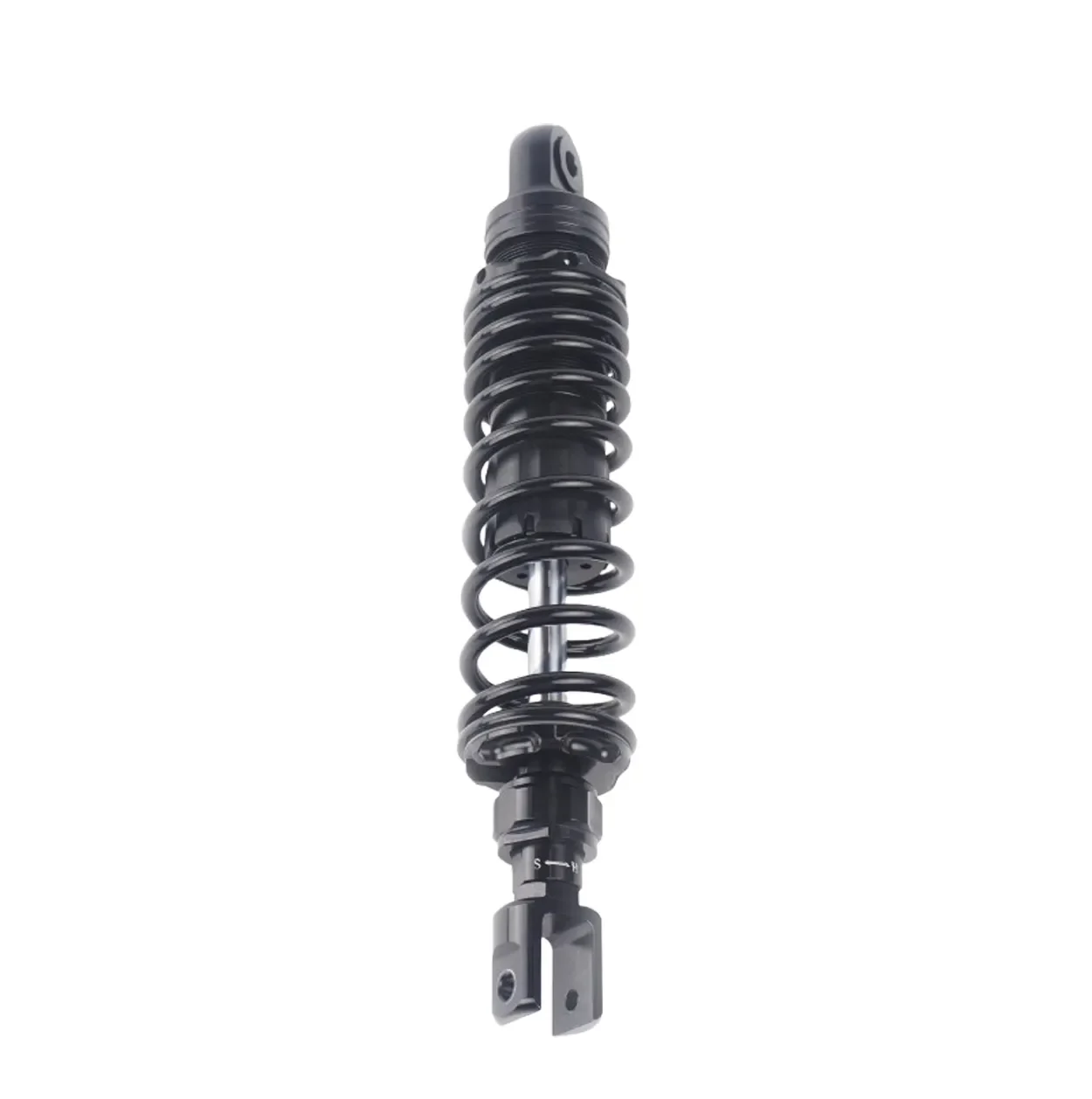
Imagine appointing a distributor across ten Southeast Asian markets for mid‑to‑premium scooter shocks and big‑bike rear dampers. The contract sets quarterly and annual targets by SKU family, coverage targets for priority provinces, technician certification counts, and service SLAs. MSRP ladders are published for reference, while MDF and display funds reward dealer readiness, event demo days, and accurate fitment content within a motorcycle suspension distribution agreement framework.
Quarter 1 starts strong but misses coverage in two countries. The supplier issues a notice, the distributor executes a 60‑day corrective plan (pop‑up fitment clinics, onboarding five new service‑capable dealers), and the KPI rebounds to 90%. In Quarter 3, currency swings and a competitor promotion push volume down to 78%—still within the cure range. After a second consecutive sub‑85% quarter, the supplier has the right to convert from sole to shared exclusivity. Commercially, they decide to grant a 90‑day grace period tied to specific market‑entry actions. When Quarter 4 lands at 82% with coverage now in place, the supplier records shared exclusivity for the following two quarters while keeping MDF available for execution milestones. Because MSRP remained advisory and incentives tied to non‑price criteria, the program stays compliant while protecting perceived value.
What about parallel imports? The supplier runs test buys, matches batch documentation, and finds that a handful of units originated from a non‑authorized EU reseller. The distributor’s records and the supplier’s audit trail support a proportionate response: reimbursement of misused MDF for those SKUs, a targeted cease‑and‑desist to the source reseller through the EU partner network, and a consumer‑facing warranty reminder clarifying authorized channels. No price controls, no market partitioning—just steady governance.
As you apply this playbook, ask yourself: would a regulator view each remedy as proportionate, evidence‑based, and tied to quality or coverage rather than price? If yes, you’re on the right track.
Appendices: Clause Bank, Dashboard Fields, and Sources
Sample clause skeletons (illustrative only; legal review required):
Authorized Reseller Standards
1. Distributor shall sell only to resellers meeting qualitative criteria in Schedule F (service capability, returns handling, warranty processing, accurate fitment content).
2. Distributor shall maintain records (for [X] years) sufficient to verify compliance and support consumer protection obligations.
Audit and Evidence Protocol
1. On [15] days’ notice, Supplier may audit Distributor’s KPI evidence, proof‑of‑performance for MDF, and authorized reseller records.
2. Audits shall be proportionate and shall protect confidential information; Supplier shall provide written findings and a cure window for remediable issues.
Warranty and Authorized Channels
1. Manufacturer’s warranty and technical support apply to Products purchased from authorized channels with verifiable documentation.
2. This clause does not limit consumer statutory rights and shall be applied proportionately.
KPI dashboard fields (operational template): Period, territory, SKU family, sell‑in units/value, dealer coverage %, certified technicians, service SLA attainment, MDF activities executed with proof links, compliance flags, corrective actions, and cure status.
Bibliography and authoritative links
- EU legal text: See the consolidated text of the EU Vertical Block Exemption Regulation (Reg. 2022/720) on EUR‑Lex in the official journal at the following canonical page: EU VBER (2022/720) consolidated text.
- EC guidance: The Commission’s Explanatory note on the new VBER and Vertical Guidelines (2022) outlines active/passive sales and online criteria.
- CJEU cases on online restrictions: The Court’s decision in Coty Germany (C‑230/16, 2017) and the earlier Pierre Fabre (C‑439/09) frame marketplace and online bans.
- U.S. federal baseline on RPM: The Supreme Court’s opinion in Leegin Creative Leather v. PSKS (2007) moved minimum RPM to rule‑of‑reason analysis federally.
- U.S. policy lens: The FTC’s Policy Statement Regarding Section 5 (2022) signals broader scrutiny of coercive conduct and information exchanges.
- EU practitioner summaries on shared exclusivity and VBER 2022: See leading law firm analyses summarizing the 2022 reforms, such as White & Case on new EU rules for distribution agreements (2022) and Simmons & Simmons on the updated VBER (2022).
- Indonesia enforcement resources (SEA snapshot; verify locally): KPPU regulations and annual reports index: KPPU official repository.
Final note and counsel disclaimer: The models here—regional exclusivity with KPI‑triggered step‑downs and MSRP paired with channel execution incentives—are designed to align commercial outcomes with legal guardrails. Details change by jurisdiction and fact pattern. Work with counsel to tailor definitions, triggers, addenda, and audit protocols. Ready to pressure‑test your current motorcycle suspension distribution agreement against these mechanics and cleanly separate price guidance from execution incentives?