

Suspension is crucial for your scooter’s performance and comfort. It helps absorb bumps from the road, making your ride smoother. Choosing the right platform and shock family within Suspension Programs is key to enhancing your scooter’s capabilities. When you understand suspension systems, you can make your Yamaha scooter handle better. This knowledge empowers you to make informed choices, ultimately improving your riding experience.
Key Takeaways
Good suspension systems make rides better. They absorb bumps, increase comfort, and help with control.
Picking the right suspension setup improves handling and safety. This makes your Yamaha scooter more stable and quick to respond.
Adjustable suspension features let you customize based on your weight and riding style. This leads to a smoother ride.
Matching shock families to your Yamaha model is very important. It helps with performance, comfort, and how long it lasts.
Check and upgrade your suspension often. This keeps you safe and improves performance for a better ride.
Why Suspension Matters
Enhancing Ride Quality
Suspension is very important for your ride. When you upgrade your suspension parts, your ride gets better. A good suspension system absorbs bumps in the road. This makes your trip smoother. Here are some benefits of better suspension:
Upgrading shock absorbers makes your ride more comfortable by absorbing bumps.
Good shocks help with handling, giving you better control when turning, braking, and speeding up.
Better safety comes from improved traction and stability, which lowers the chance of skidding.
By spending money on good suspension systems, you make your ride more fun, whether you are commuting or trying new paths.
Impact on Handling and Safety
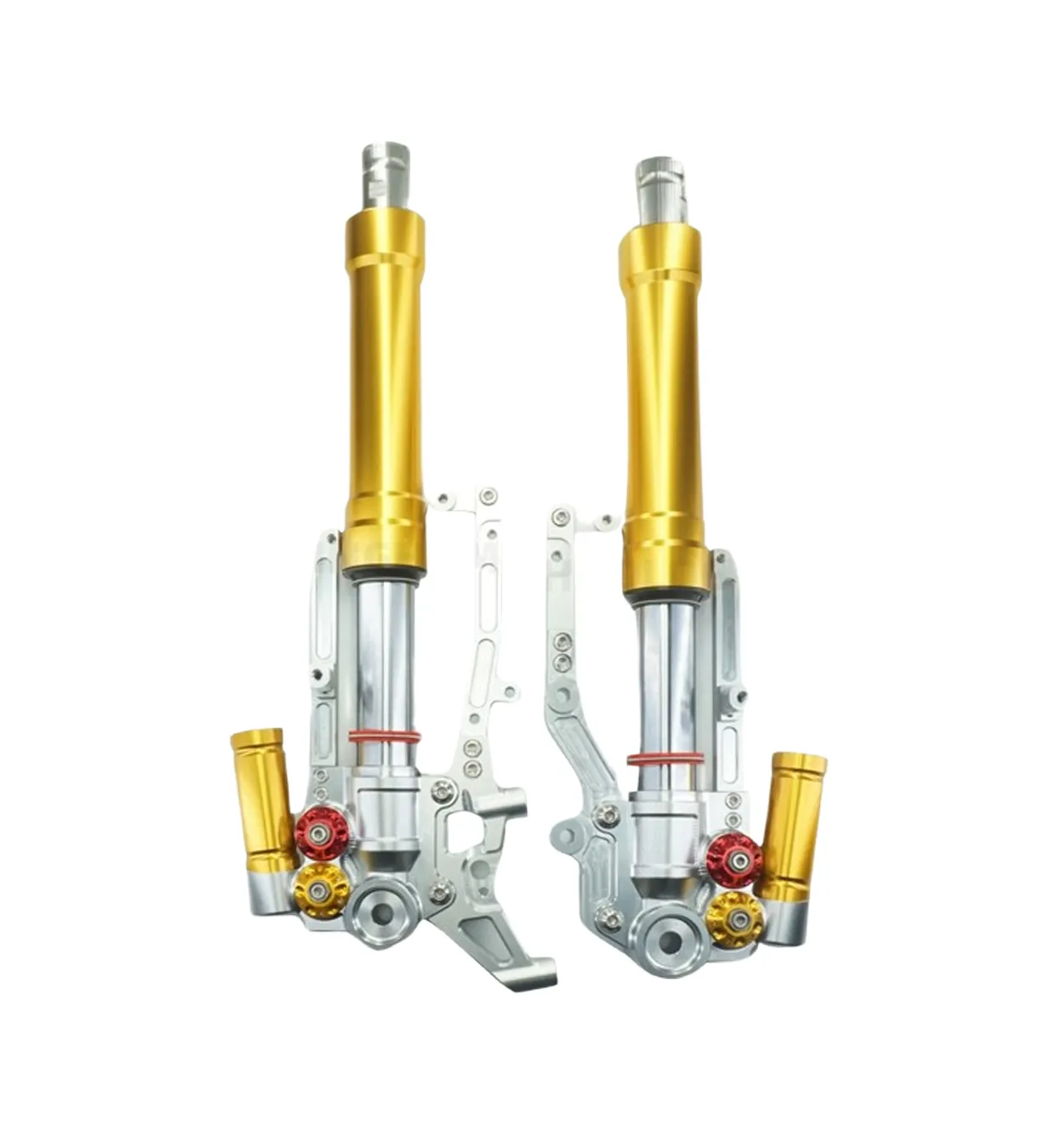
The right suspension setup affects how your Yamaha scooter handles. For example, the Tricity 125 has special LMW (Leaning Multi-Wheel) technology. This design makes it more agile and stable. It allows for a deep lean angle and wide steering angle. The separate cantilevered telescopic suspensions for the front wheels keep leaning and suspension apart. This gives a natural feel when turning, which helps you stay in control.
Also, a well-tuned suspension system gives you:
Better front-end stability.
More control when braking and less bottoming out.
These things make your ride safer. With better handling, you can turn corners easily and react quickly to changes in the road. Overall, knowing and focusing on suspension programs for your Yamaha scooter can make your ride more comfortable and safe.
Suspension Programs for Yamaha Models
Front Suspension Options
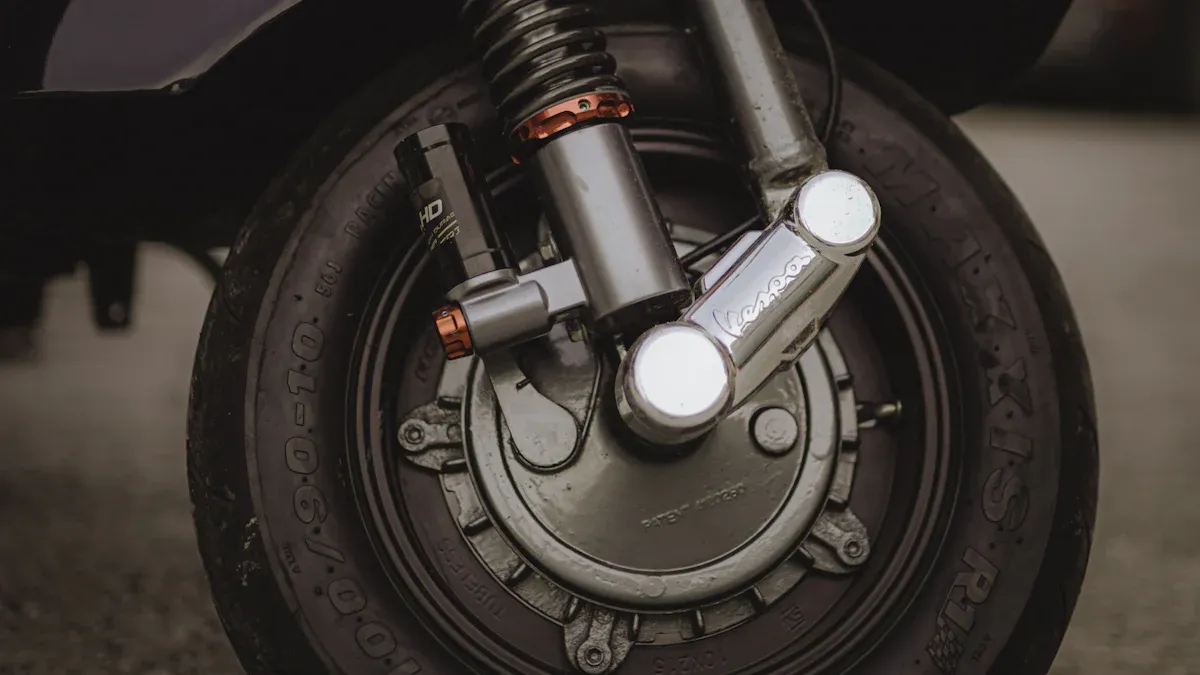
For Yamaha scooters, there are many front suspension choices. These options help improve performance and last longer. For example, the shock absorbers for the Yamaha JOG 90 work really well. They give you better stability and control, making your ride more enjoyable. Here are some benefits of upgrading your front suspension:
Better stability during rides.
Improved control when turning.
More comfort, which helps with durability.
By choosing good front suspension options, you can have a smoother ride and better handling.
Rear Suspension Variants
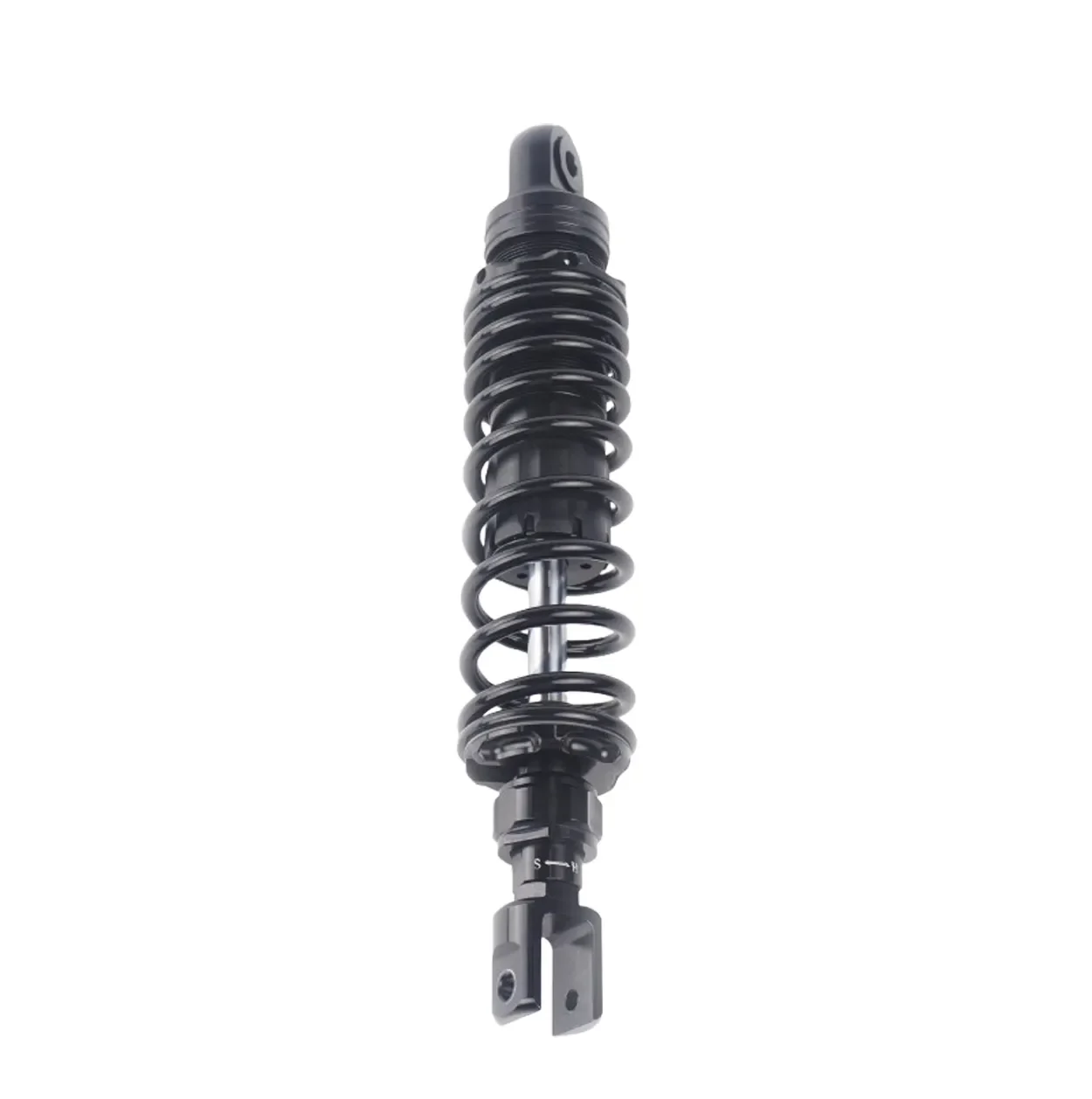
The rear suspension is important for comfort on your Yamaha scooter. Different models have different types of rear suspension, each made for specific needs. Here’s a comparison of some popular Yamaha models and their rear suspension types:
Model | Rear Suspension Type | Travel | Pre-load Positions |
|---|---|---|---|
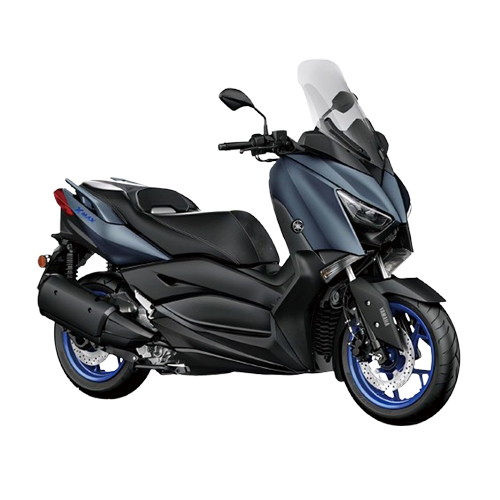
Yamaha XMAX 300 | Dual shocks | 3.1″ | 5 |
Monoshock | 3.5″ | Adjustable |
The Yamaha XMAX 300 has dual shocks that give great support and stability. It has a travel of 3.1 inches and five preload positions, so you can adjust it to your liking. The Yamaha Aerox 155 uses a monoshock system, which lets you change the preload. This feature helps you set up your suspension for the best comfort and performance.
Aftermarket suspension programs usually work better than OEM options. They offer better performance, like the difference between fast food and fine dining. Aftermarket shocks often have more damping adjustments, letting you customize your ride quality even more. They also have a wider adjustment range and better parts, making them easier to maintain.
By learning about the different suspension programs for Yamaha models, you can make smart choices that improve your ride. Whether you stick with OEM options or try aftermarket ones, the right suspension setup will greatly affect your comfort and control on the road.
Key Features of Suspension Systems
Adjustability and Customization
When you pick a suspension system for your Yamaha scooter, adjustability is very important. It helps you change the suspension to fit your needs. Here are some benefits of having adjustable features:
Better stability
Less vibrations
These changes help you deal with different riding conditions. For example, if you ride on bumpy roads, you can increase the preload for more comfort and control.
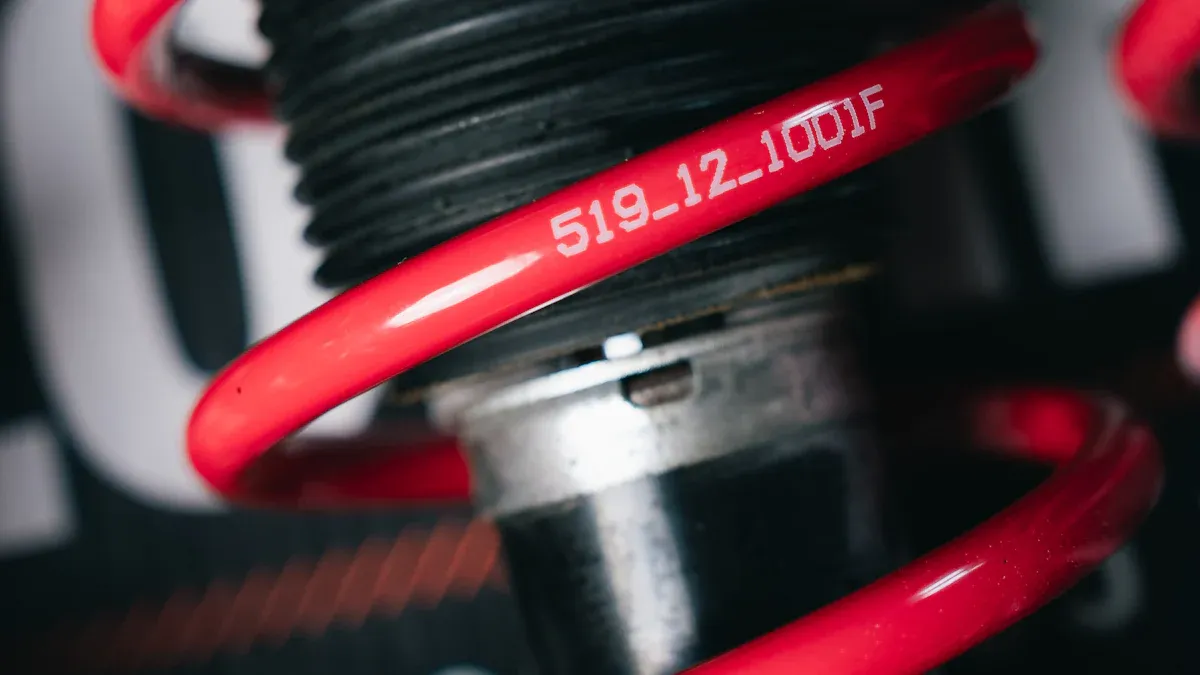
Good suspension systems often have features like adjustable spring preload. This lets you customize it based on your weight and riding style. You can also find dual rear shocks that improve stability, especially on rough surfaces.
Feature | Description |
|---|---|
Adjustable Spring Preload | Lets you customize based on rider weight and riding conditions. |
Dual Rear Shocks | Improves stability and comfort, especially on bumpy terrain. |
Travel Distance | Shows how far the suspension can compress; usually 40–80mm for best performance. |
Damping Type | Hydraulic damping is better for controlling compression and rebound. |
Material Quality | Strong materials like aluminum alloy or steel resist rust better than plastic. |
Compatibility | Must match the scooter model’s specifications for proper installation and performance. |
Weight and Load Capacity
The weight and load capacity of your suspension system are very important for performance. A good suspension can handle the weight of the scooter and rider well. This ensures a smooth ride and stops bottoming out on bumps.
When choosing a suspension system, think about the materials used. High-quality materials improve durability and performance. For example, aluminum alloy or steel parts last longer than plastic ones.
Investing in a suspension system that fits your weight and load needs will make your rides better. You will enjoy improved handling and stability, making your rides more fun.
Selecting the Right Suspension
Assessing Your Riding Style
Choosing the right suspension for your Yamaha scooter starts with knowing how you ride. Think about how you use your scooter. Do you mostly ride in the city, or do you take long trips on highways? Here are some common riding styles:
Commuting: If you ride every day for work or school, comfort is very important. Look for suspension systems that absorb bumps well.
Sport Riding: If you like speed and quick moves, choose stiffer shocks. They help with better handling during sharp turns.
Off-Roading: If you go on rough paths, pick a suspension with more travel. This feature helps absorb bigger bumps and keeps you stable.
By knowing your riding style, you can choose a suspension that makes your ride better.
Matching Shock Families to Models
Next, you need to match shock families to your Yamaha model. Each model has special needs based on its design and use. Here’s why compatibility is important:
Performance: Using shocks made for your model gives the best performance. Mismatched parts can cause bad handling and safety problems.
Comfort: The right shocks make your ride more comfortable. They help absorb bumps in the road, making your ride smoother.
Durability: Compatible shocks last longer. They fit well and reduce wear on your scooter.
To find the right shock family, check your scooter’s manual or visit a trusted dealer. They can help you find the best options for your Yamaha model. Remember, investing in the right suspension system improves comfort, safety, and performance.
In this blog, you learned how important suspension is for your Yamaha scooter. It affects how well your scooter performs and how comfortable it is. You found out why it’s essential to choose the right platforms and match shock families to improve your ride.
Focus on good suspension systems for better handling and safety.
Adjust your setup to fit your riding style and needs.
Now, it’s time to act! Check your current suspension and think about upgrades that work for your Yamaha model. Enjoy a smoother and safer ride! 🚀
FAQ
What is the best way to choose a suspension system for my Yamaha scooter?
To pick the best suspension system, think about how you ride. Look at comfort, handling, and the kind of roads you use. Research shock families that fit your Yamaha model.
How often should I replace my scooter’s suspension?
You should check your suspension often. Change it every 10,000 miles or if you see less performance, hear strange noises, or find leaks. Regular checks keep your scooter safe and working well.
Can I install suspension upgrades myself?
Yes, you can put in suspension upgrades yourself if you know basic mechanics. Follow the instructions from the maker closely. If you are not sure, ask a mechanic for help.
What are the benefits of aftermarket suspension systems?
Aftermarket suspension systems usually give better performance, more adjustability, and last longer than OEM options. They let you change your ride for better comfort and handling.
How do I know if my suspension needs adjustment?
Signs that your suspension needs changes include too much bouncing, hitting the ground, or bad handling. If you notice these problems, think about adjusting the preload or damping settings for better performance.